


For centuries, dogs have played significant and varied roles in religion and spirituality in many parts of the world. Their roles typically derive from their faithful, loyal, and protective nature, which emulates a human devotion to a higher power. Let’s explore how man’s best friend is involved in different world religions.
The Connection Between Humans and Dogs

It is no secret that humans and canines have a unique bond and relationship. This link has been observed in religious practices and rituals across the world. Many of these are born from the idea that humans yearn for meaning and connectivity, and the domestication of dogs is rooted in that idea. Dogs symbolize different things across cultures and religions, but most often, their role is related to their faithful and protective nature.
Dogs in Mythology

In old European mythologies, there are several narratives that depict dogs’ relation to spirituality. They often serve as watchdogs and protectors over their owners. In one mythological narrative, dogs serve as a gatekeeper to the afterlife. In another, they are connected to the stars.
Dogs in Aztec Religion

There have been several ancient burial sites for dogs discovered in Mexico, the birthplace of the Aztec religion. Even one of the Aztek gods, Xolotl, is depicted as a monster with a dog head. These animals have always had a symbolic role in the Aztecs’ spirituality.
Dogs in Chinese Tradition

Chinese astrology honors 12 animals, including the dog. Dogs are viewed as protectors and guardians of the home in Chinese culture. Additionally, the second day of the Chinese New Year is considered the birthday of all dogs, and many Chinese homes celebrate their four-legged friends on this day.
Dogs in Buddhism

In Buddhist monasteries, stray dogs are not seen as nuisances, but are actually celebrated. In Buddhism, every creature (human or otherwise) is viewed as someone on their path to enlightenment. Dogs are seen as no different, and monks will often care for these dogs with warmth and inclusion.
Dogs as Grief Counselors

Canines have actually been used as therapy dogs, service dogs, and grief counselors since the 1930s, when Sigmund Freud would bring his Chow Chow into his sessions and noticed the calming effect it had on patients. Today, dogs continue to provide comfort and calming energy and some U.S. churches have begun Canine Comfort Ministries in which dogs will sit next to mourning individuals.
Dogs as Spiritual Assistants

In some churches, dogs can even receive “chaplain” status in which they act as a symbolic spiritual assistant to pastors. Who can resist a friendly tail wag and nose nudge? Many people note the light-hearted energy they bring to a place of prayer.
Dogs in Ancient Egypt
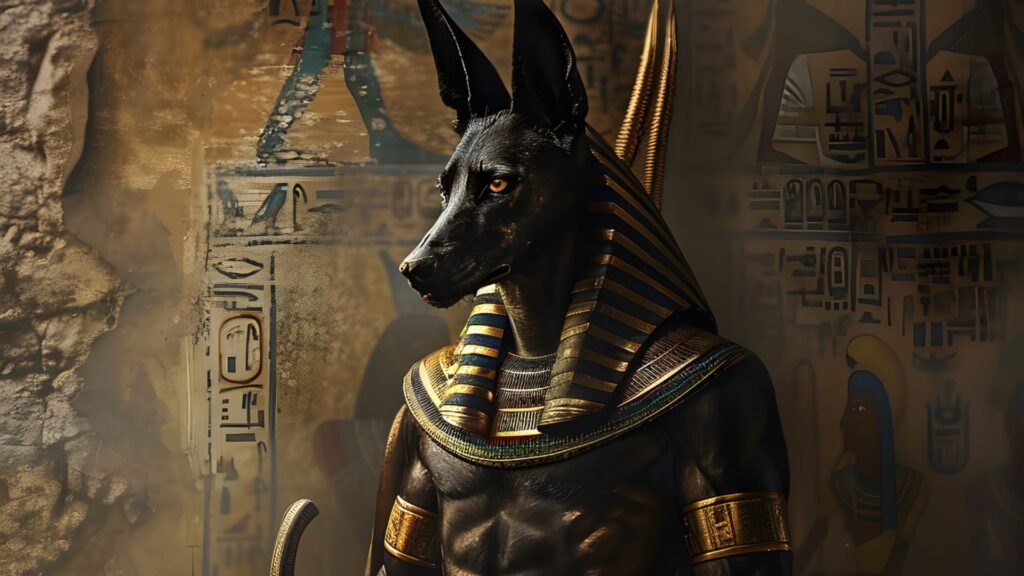
While Ancient Egyptian traditions typically depict cats over dogs, canines still played an important role in ancient religion and mythology. Dogs are associated with Anubis, the jackal-headed god of the underworld. In Egyptian mythology, Am-heh was depicted as having the head of a hunting dog as well.
Dogs in Greek Mythology
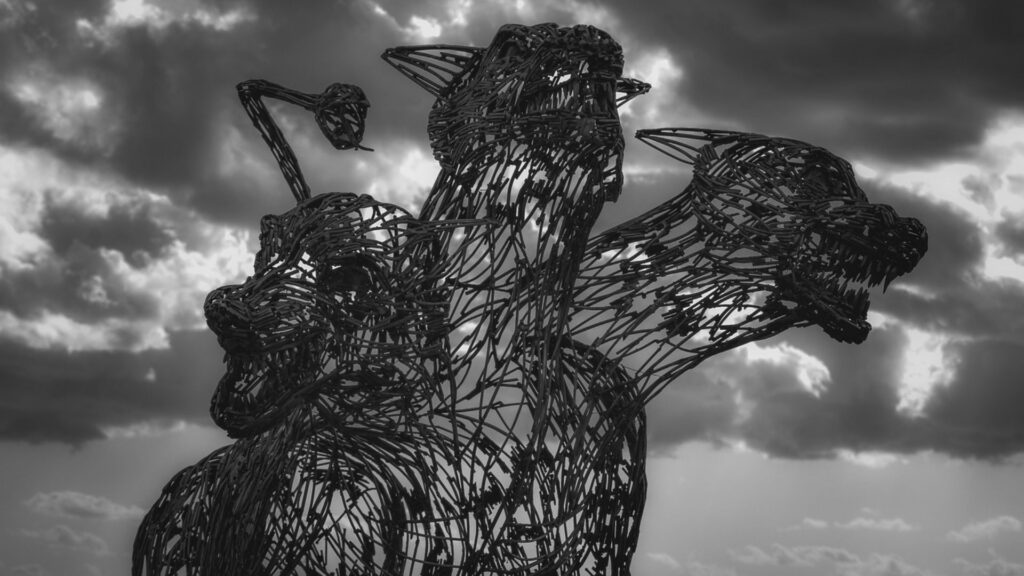
Dogs are depicted in several ways in Greek mythology. Perhaps most famously, Cerberus was a three-headed watchdog that guarded the gates of Hades. Additionally, a dog known as the “golden hound” protected the goat that nursed baby Zeus. Not to mention, in Homer’s The Odyssey, a disguised Odysseus returns home and is recognized by no one except his faithful pet dog, Argos.