
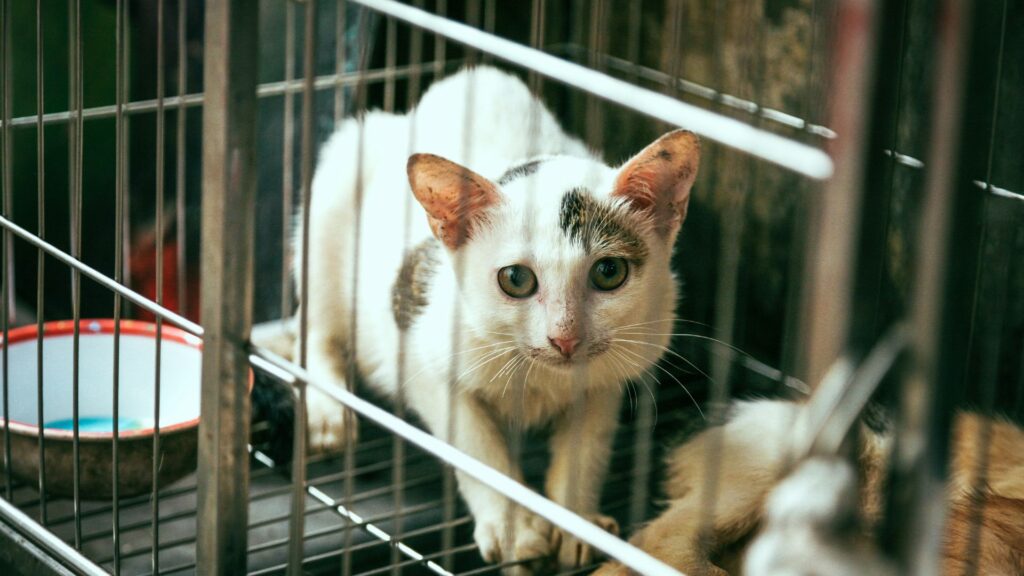
Cats handle alone time better than dogs, but they still need attention and care. Some cats manage short hours without trouble, while others get anxious quickly. Feeding schedules, water access, and clean litter matter more than owners often realize. Understanding your cat’s habits helps you plan time away without stress. Simple adjustments can make a big difference in keeping them comfortable, calm, and entertained while you’re out.
Adult Cats Handle 8-12 Hours Alone Daily
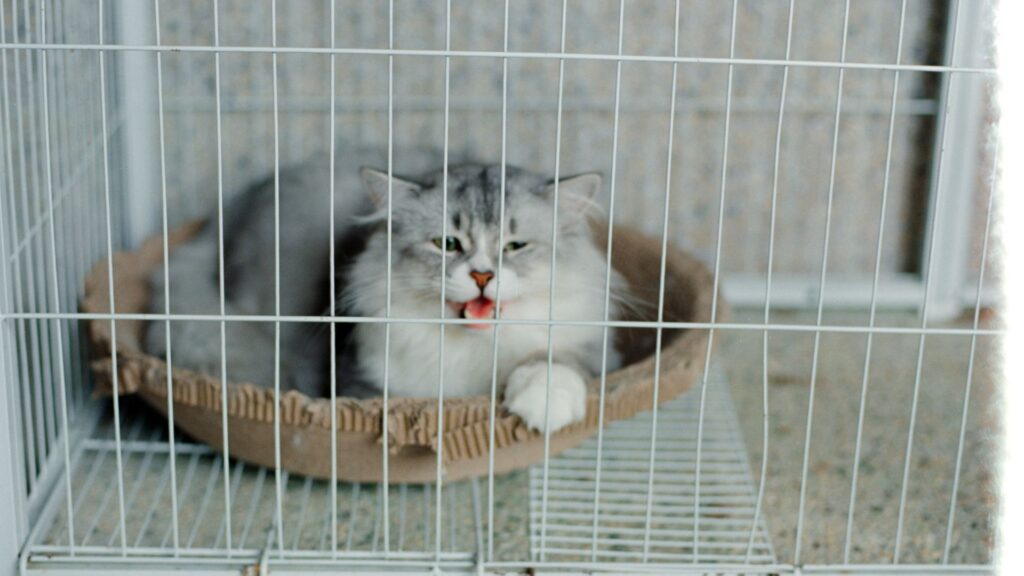
Most adult cats manage eight to twelve hours alone without trouble. They often nap, play, or explore their space while you’re out. Make sure they have access to fresh water and food, and a clean litter box so they stay comfortable. Some cats enjoy toys or perches near windows to pass the time. Observing their habits helps you know when they might need extra attention after a day alone.
Kittens Under 4 Months Need 4-Hour Maximum
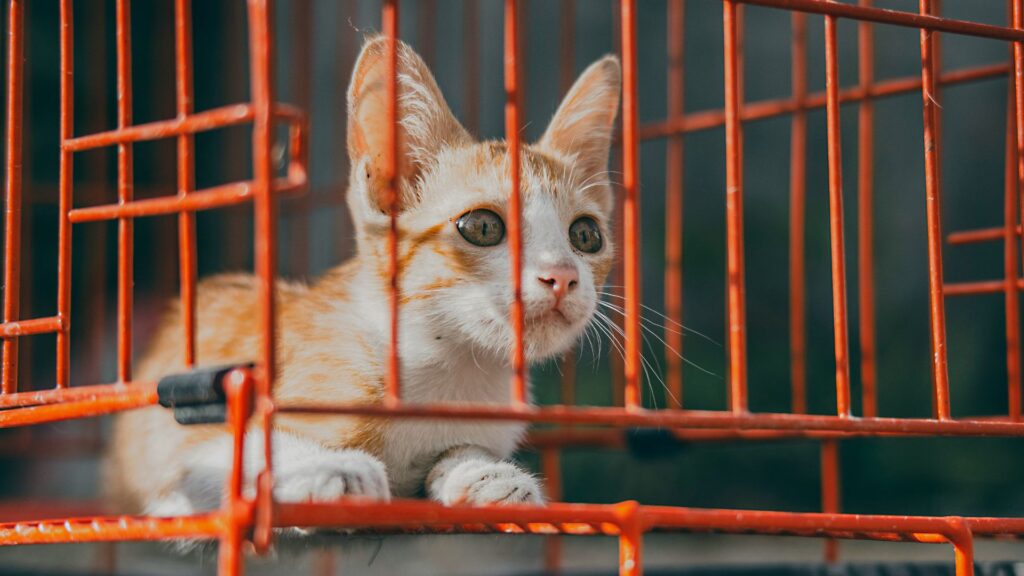
Young kittens under four months can’t handle long periods alone. They need frequent feeding, water, and a clean litter box. Leaving them alone longer than four hours can make them anxious or uncomfortable. Toys, soft bedding, and safe spaces help keep them occupied, so they feel secure while you step out. Spending extra time playing or cuddling when you’re home also helps them grow confident and happy.
Pet Sitters Required After 24-Hour Absence
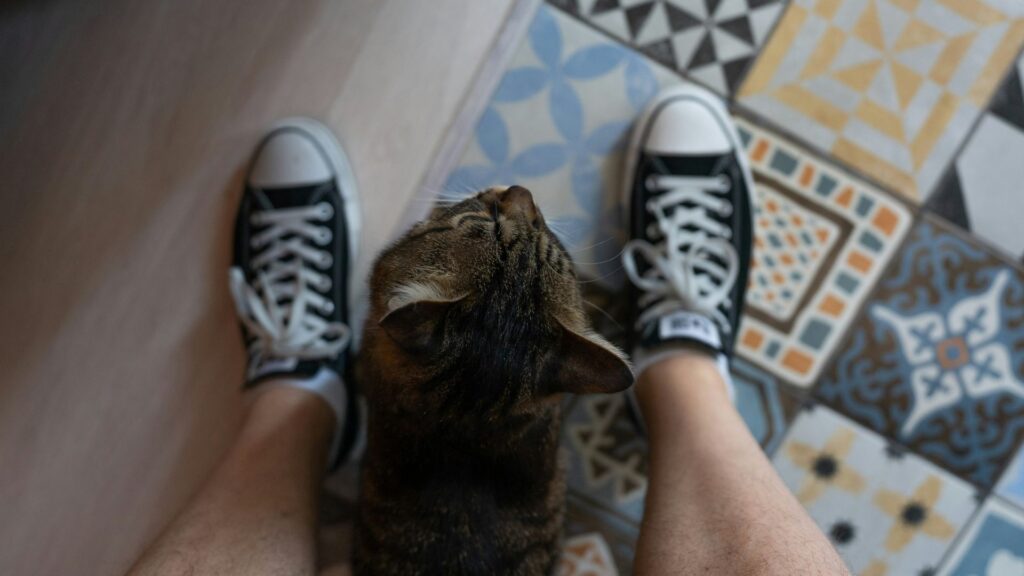
Cats left alone for more than 24 hours need someone to check in. A pet sitter can provide food, water, and a clean litter box so your cat stays comfortable. They can also spend a little time playing or giving attention, which helps prevent stress. Even short visits make a difference. Arranging a reliable sitter ensures your cat stays happy and safe while you’re away, giving both of you peace of mind.
Individual Temperament Affects Alone Tolerance
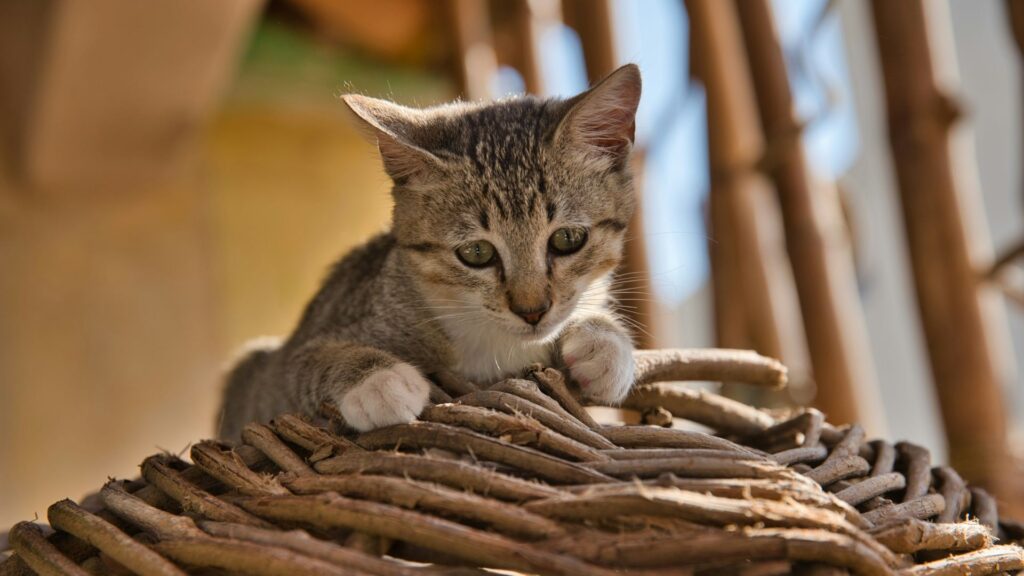
Every cat handles time alone differently. Some enjoy quiet hours napping or watching outside, while others get anxious sooner. Observing your cat’s behavior helps you know what works best. Providing toys, cozy spots, and easy access to food and water makes alone time smoother. You can also leave a window open or play soft music to keep them calm. Adjusting to your cat’s temperament makes their day alone more comfortable and relaxed.
Gradual Training Increases Independence Skills
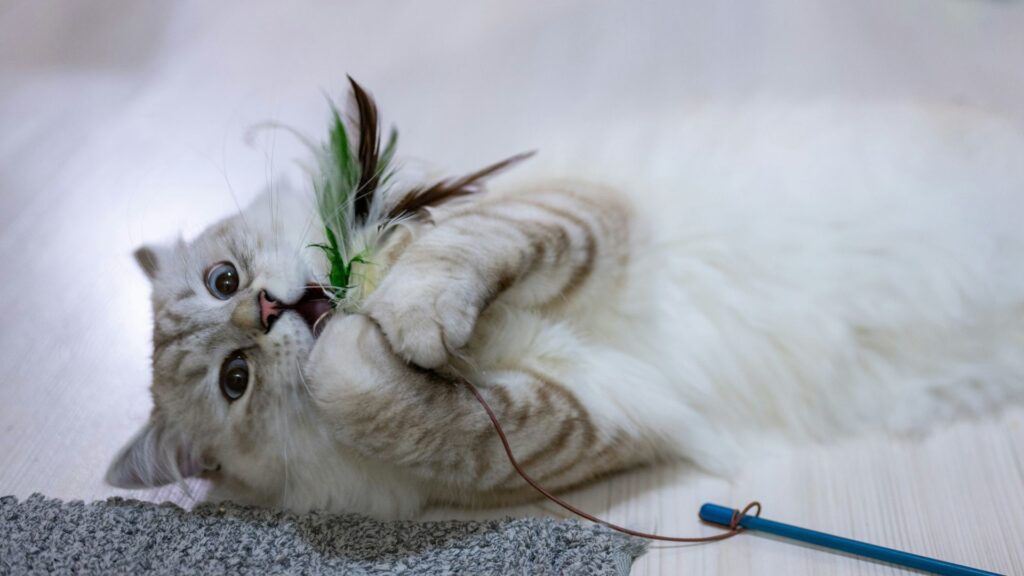
Helping cats get used to being alone works best in small steps. Start with short absences and gradually increase the time so they adjust comfortably. Leaving toys, treats, and cozy spots can make the experience positive. Observing how they respond also helps you plan future absences. Over time, cats gain confidence and handle alone time better. Simple, consistent practice can make their daily routine smoother and more relaxed for both of you.
Fresh Water and Food Access Prevents Problems
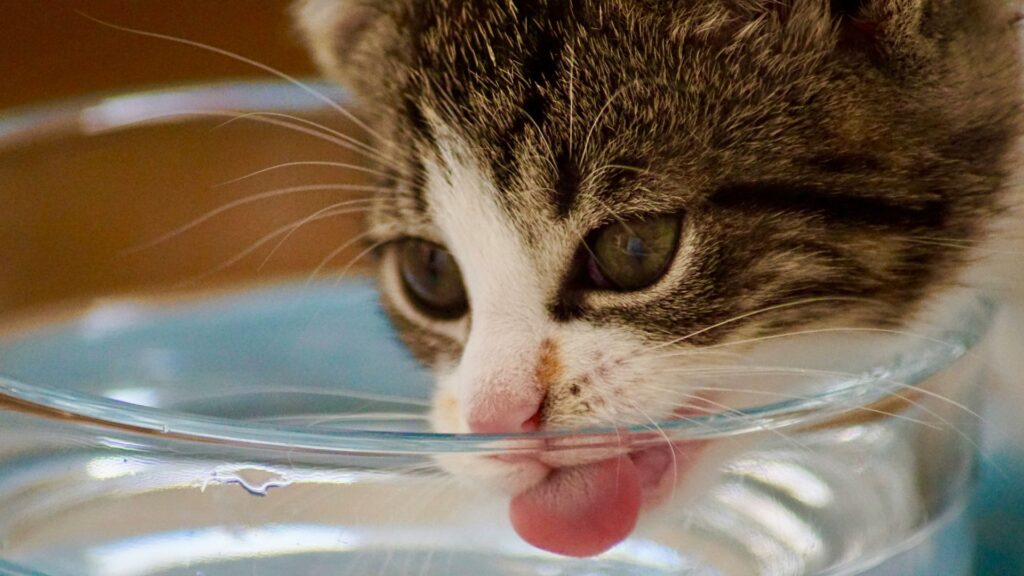
Cats need easy access to fresh water and food while you’re out. Filling bowls before leaving ensures they stay hydrated and satisfied. Automatic feeders or multiple dishes can help when you’re gone longer. Keeping the litter box clean also prevents stress or accidents. You can add a few safe treats or puzzle feeders to keep them engaged. Small steps like these help your cat stay comfortable and calm during alone time.
Senior Cats Show Higher Separation Anxiety
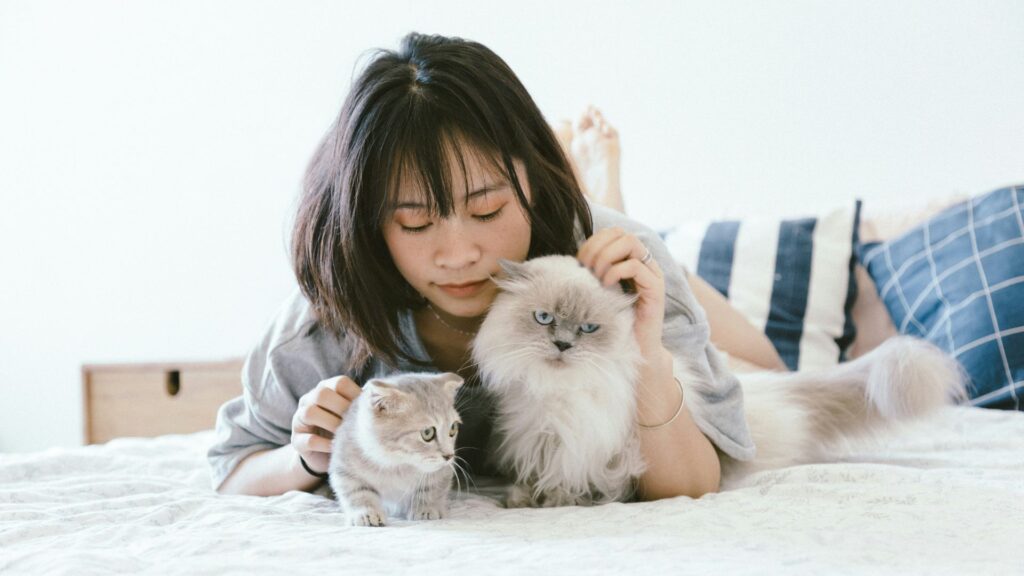
Older cats often feel uneasy when left alone for long periods. They may meow, pace, or look for you more than younger cats. Making sure they have cozy spots, easy access to food, water, and the litter box helps them feel secure. Interactive toys or gentle background sounds can also keep them calm. Paying attention to their behavior lets you adjust alone time so senior cats stay comfortable, relaxed, and less anxious while you’re away.
Breed Differences Impact Social Needs
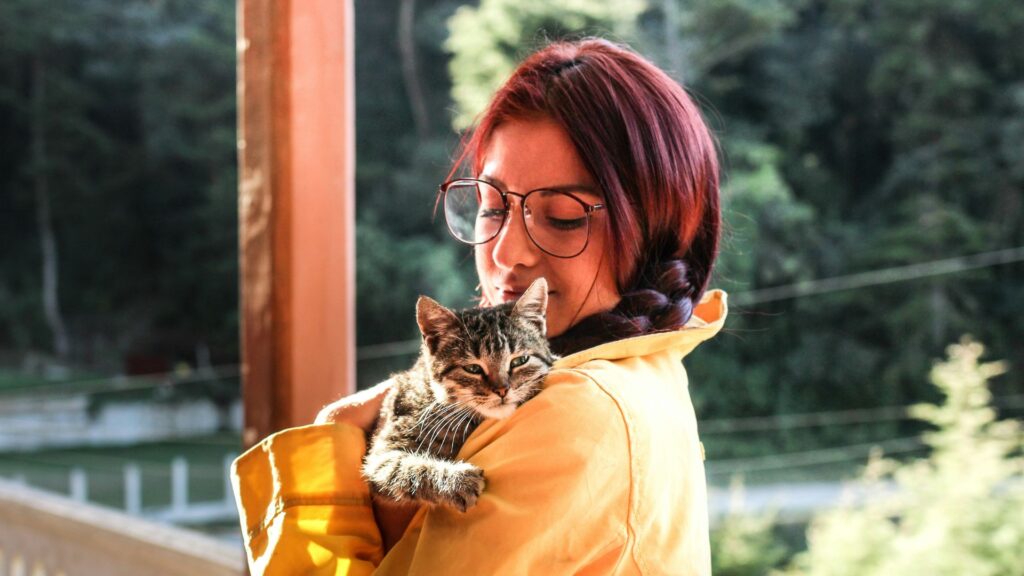
Some cat breeds enjoy alone time more than others. Social breeds may want extra interaction, so leaving them without company can make them restless. Providing toys, scratching posts, and cozy spots helps them stay comfortable. You can also schedule short play sessions before and after you’re gone to keep them satisfied. Observing your cat’s breed tendencies lets you plan absences that match their social needs, keeping them happy and relaxed while you’re away.
Helping Your Cat Feel Comfortable Alone
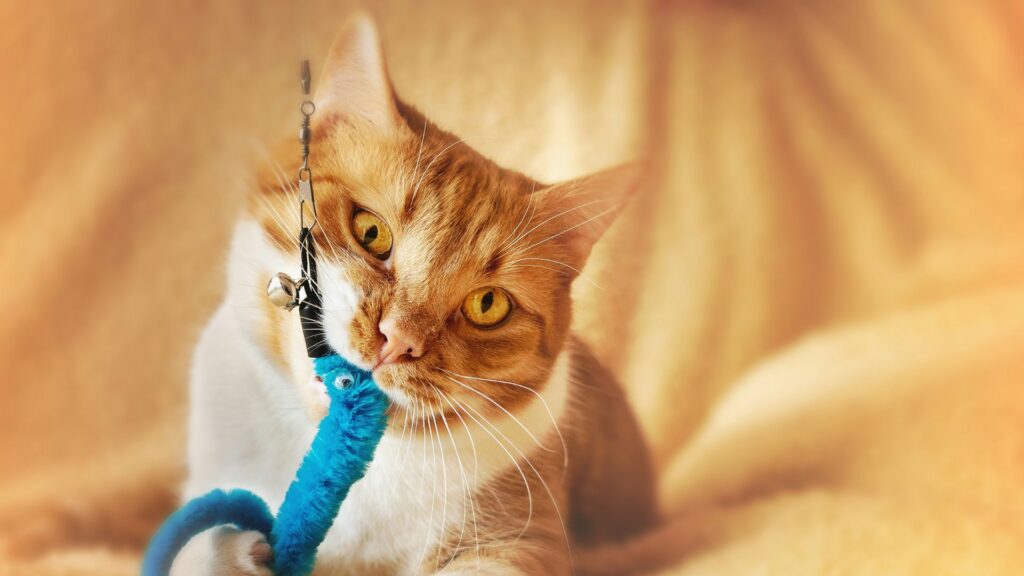
Cats handle alone time in different ways, so observing their habits matters. Make sure they have food, water, and a clean litter box. Toys, cozy spots, and window perches keep them entertained. Gradually increasing time alone can help them adjust. Consider a pet sitter for longer absences. Paying attention to their needs helps them stay calm, happy, and safe while you’re out, making alone time easier for both of you.