

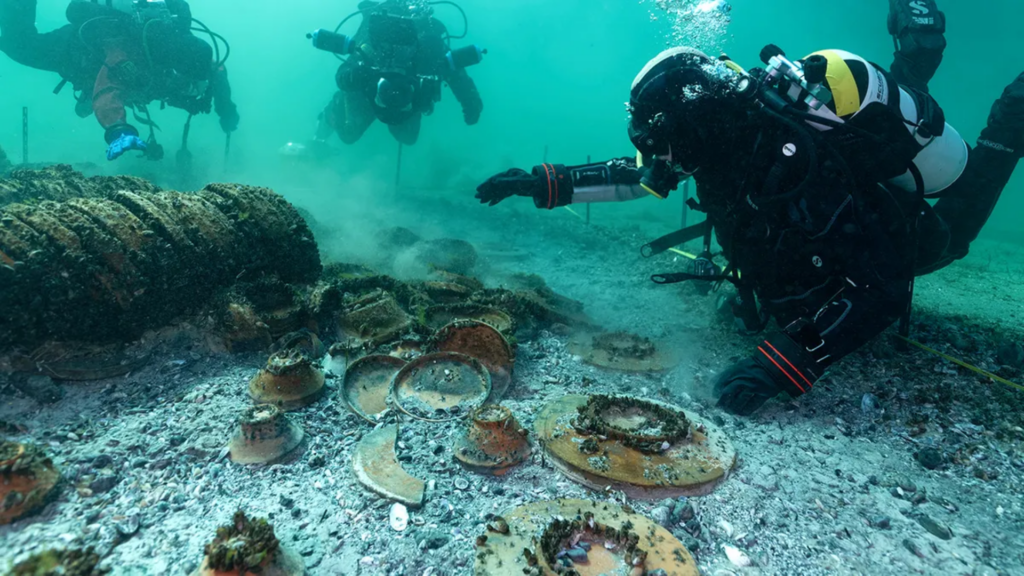
Archaeologists have made a remarkable discovery in Switzerland after uncovering more than 1,000 Roman artifacts hidden beneath a lake. The find, located in Lake Neuchâtel, dates back nearly 2,000 years to the early Roman Empire. What makes the discovery especially striking is the exceptional condition of the objects, many of which appear almost untouched by time.
The artifacts were first detected during underwater surveys, where researchers noticed unusual shapes clustered on the lakebed. Initially unsure of what they had found, divers quickly realized they were looking at a massive deposit of ancient goods. The discovery was kept secret for a period to prevent looting and protect the site.
Experts now believe the objects were part of a Roman cargo shipment that sank sometime between 20 and 50 AD. The find offers a rare snapshot of life during that period, preserving items exactly as they were when the vessel went down. This level of preservation is rarely seen in archaeological discoveries.
A Treasure Trove Frozen in Time
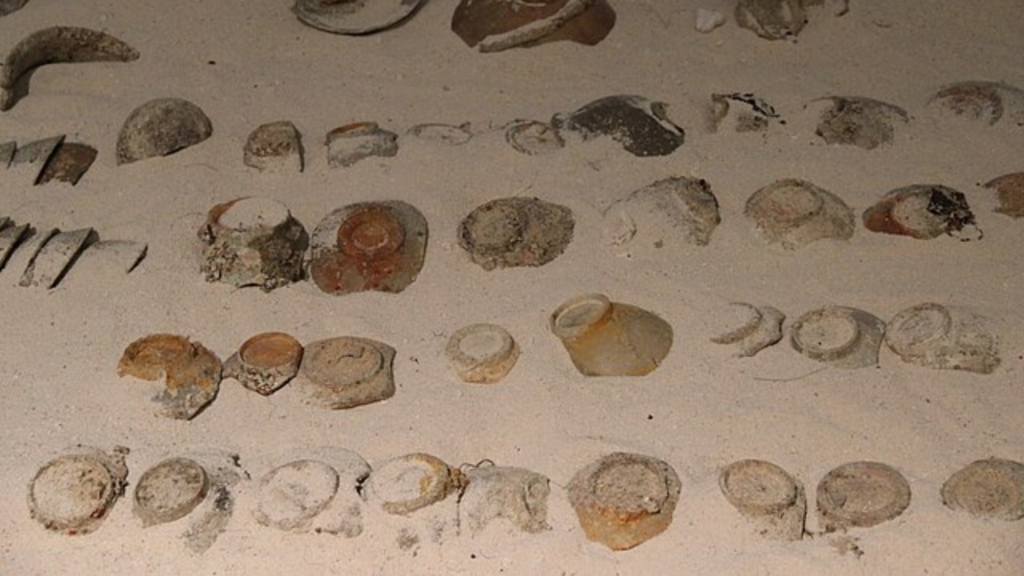
Among the recovered items are ceramic plates, jugs, goblets, and amphorae that were likely used to transport goods like wine and olive oil. Researchers also found swords, tools, and even parts of wagons, suggesting a mix of civilian and possibly military cargo. Some objects, including a sword still in its sheath, remain astonishingly intact.
The condition of the artifacts is largely due to the lake’s unique environment, which protected them from oxygen, currents, and human interference. Unlike items found on land, these objects were not exposed to weathering or repeated handling over centuries. As a result, they provide a clearer and more accurate picture of Roman craftsmanship and daily life.
Archaeologists believe the cargo may have been intended for a Roman military camp, possibly transported across regional trade routes in ancient Switzerland. The presence of both domestic items and military equipment supports this theory. This combination offers valuable insight into how goods were distributed across the Roman Empire.
What the Discovery Reveals About the Roman World
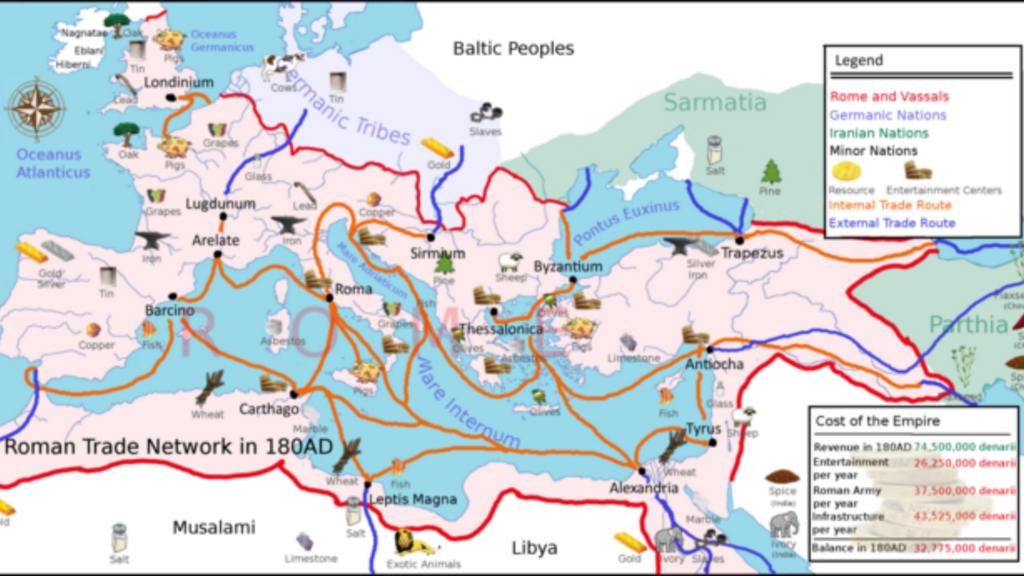
The discovery sheds new light on the complexity of Roman trade networks, particularly in regions north of the Alps. It suggests that Switzerland played a more active role in commerce and logistics than previously thought. The lake itself may have served as a key transportation route connecting different parts of the empire.
Researchers also believe the ship may have been accompanied by a military escort, based on the types of weapons and equipment found. This points to the importance of protecting valuable cargo during transit. It also highlights the close relationship between commerce and military operations in the Roman world.
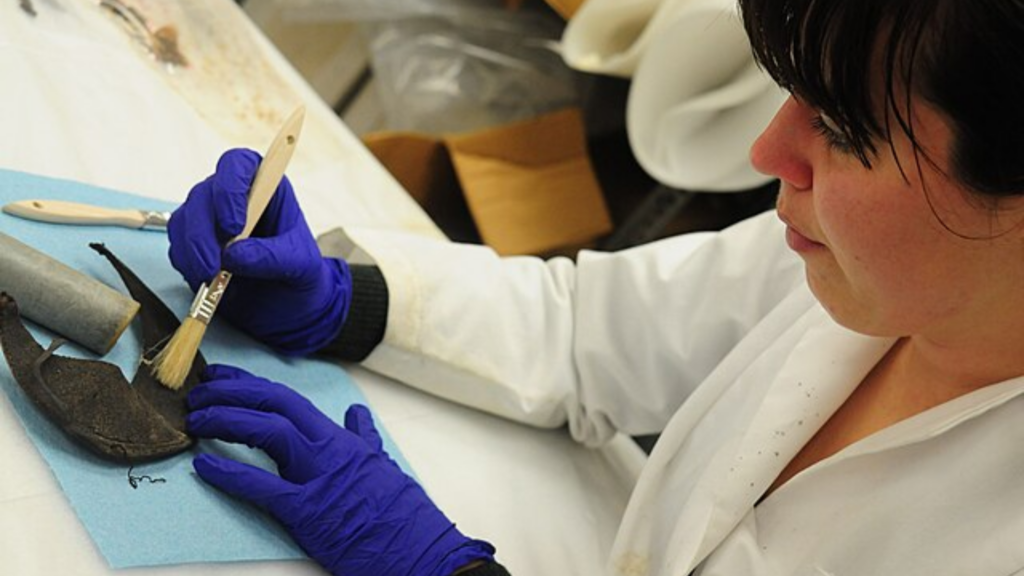
The artifacts are now undergoing careful conservation and study, with plans to eventually display them in a museum. Scientists hope the collection will become a key reference point for understanding this period of Roman history. Each object adds another piece to the puzzle of how people lived, worked, and traded nearly two millennia ago.
A Discovery That Redefines the Past
The discovery of over 1,000 Roman artifacts in a Swiss lake stands as one of the most significant archaeological finds in recent years. Its exceptional preservation offers a rare glimpse into a moment frozen in time, revealing details that are often lost in other excavations. The find underscores the importance of underwater archaeology in uncovering hidden chapters of history.
Beyond its scientific value, the discovery also highlights the need to protect such sites from damage and looting. By keeping the location secret initially, researchers ensured the integrity of the artifacts could be preserved. This careful approach has allowed experts to study the objects in their original context.
As analysis continues, the Swiss lake discovery is expected to reshape our understanding of Roman trade, travel, and daily life. It serves as a powerful reminder that even after thousands of years, history can still surprise us in extraordinary ways.