

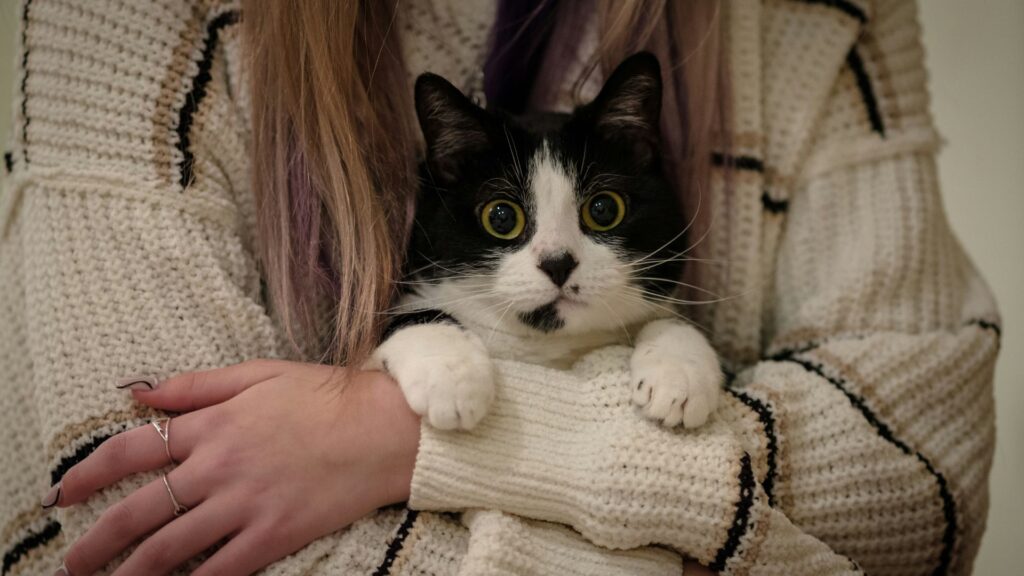
Cats communicate constantly, even when silence feels obvious. Subtle shifts in posture, sound, and timing shape how people interpret those signals. Over time, daily routines between pets and owners create patterns that feel familiar. Those patterns can change based on who walks through the door. Researchers now suggest that gender may influence how cats choose to vocalize during reunions at home.
Recent behavioral research draws attention to what happens in the first moments after an owner returns. Scientists focused on how cats greet their humans and how often they vocalize during that exchange. Early observations point to a noticeable difference tied to the owner’s gender. Male owners tend to receive more frequent vocal sounds during greetings. Female owners receive fewer, even though other greeting behaviors remain similar.
Those findings raise questions about how cats adapt communication strategies over time. Vocal cues may serve as a direct way to prompt interaction when other signals fail to register. Response speed, tone, and consistency could shape that behavior without either side realizing it. The study frames feline communication as flexible and responsive. Attention patterns appear to guide how cats choose to speak.
How Cats Respond to Returning Owners
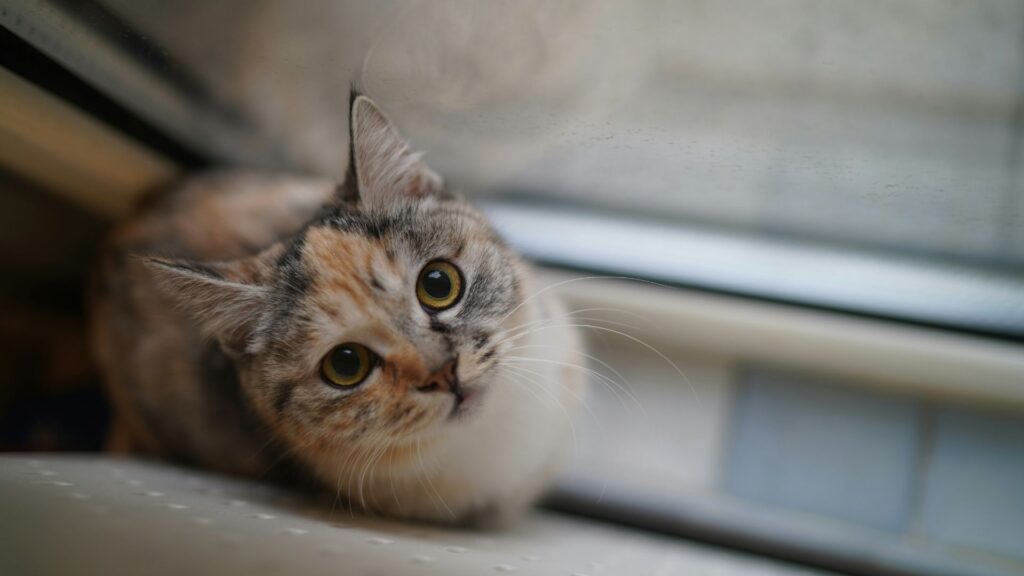
When an owner walks back inside, cats shift quickly into greeting mode. Movement toward the door often comes first, followed by body positioning that signals attention. Tails rise, steps shorten, and eye contact increases as the cat closes the distance. From there, sound becomes part of the exchange, especially during the first moments of contact.
Research tracking these reunions shows vocal behavior changes depending on who returns home. Cats greet male owners with more frequent meows, purrs, and short chirps during the opening seconds. The difference appears early and stays consistent across the observation window. Other behaviors like rubbing or stretching stay steady across owners, which keeps vocalization as the standout shift.
That pattern points toward communication shaped through routine interaction. Cats appear to adjust how directly they signal based on prior responses. Vocal sounds may serve as a clear prompt when subtle cues receive slower acknowledgment. Over time, greeting behavior reflects learned expectations. Each return reinforces how the cat chooses to communicate next.
Limits of the Research Sample
Researchers worked with a small group of cats living in private homes. The study followed 31 animals observed over a set period between 2022 and 2024. Each cat lived with the same owner for months before filming began. That setting kept daily routines familiar and reduced sudden behavior shifts.
All participants lived in Turkey, which narrows the range of household styles and social habits. Cultural norms can shape how people interact with pets during daily routines. Greeting behavior may vary across regions based on speech patterns and body language. Those factors remain outside the scope of the data collected.
Other variables stayed outside the researcher’s control during observation periods. Time away from home differed from owner to owner. Feeding schedules also varied before each return. Cats may react differently based on hunger or anticipation. Those conditions introduce uncertainty into vocal responses without invalidating the pattern observed.
What Feline Vocal Shifts May Signal Going Forward
Communication between cats and humans continues to show flexibility shaped through daily contact. Vocal patterns appear learned rather than fixed, which suggests cats adjust based on feedback over time. That adjustment hints at a wider capacity for behavioral tuning shaped through repeated interaction. Observations like these support the idea that domestic cats track human attention closely.
Future research may expand beyond household greetings to other shared routines. Feeding times, play sessions, and bedtime interactions offer additional windows into communication patterns. Broader sampling across regions could also refine how the environment shapes vocal behavior. Larger datasets would allow researchers to track changes over longer periods rather than brief windows.
For cat owners, awareness of these patterns can sharpen how interactions unfold at home. Noticing how tone, response speed, and consistency affect behavior may influence future exchanges. Cats appear to respond to what works. Over time, communication settles into habits shaped quietly through repetition.