

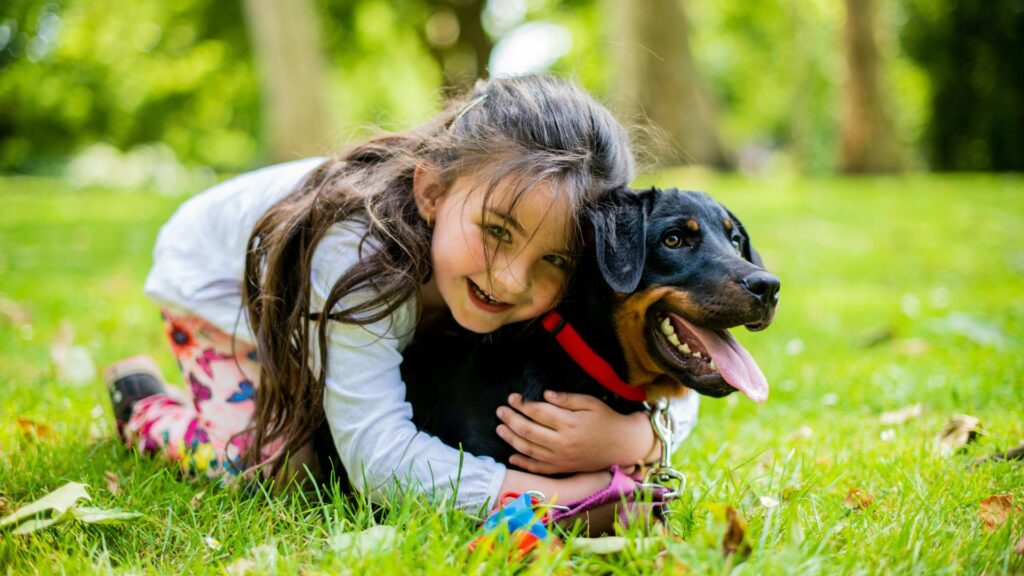
Across England, everyday choices around family life are quietly changing, and that change shows up in unexpected ways. In many neighbourhoods, dogs now appear more often than children, and that detail hints at wider pressures shaping adult decisions. As housing costs rise and timelines stretch, couples talk about care, affection, and responsibility differently. In that context, pets move closer to the center of domestic life, reflecting how modern households quietly define companionship across Britain.
Dogs Outnumber Children Across Large Parts of England
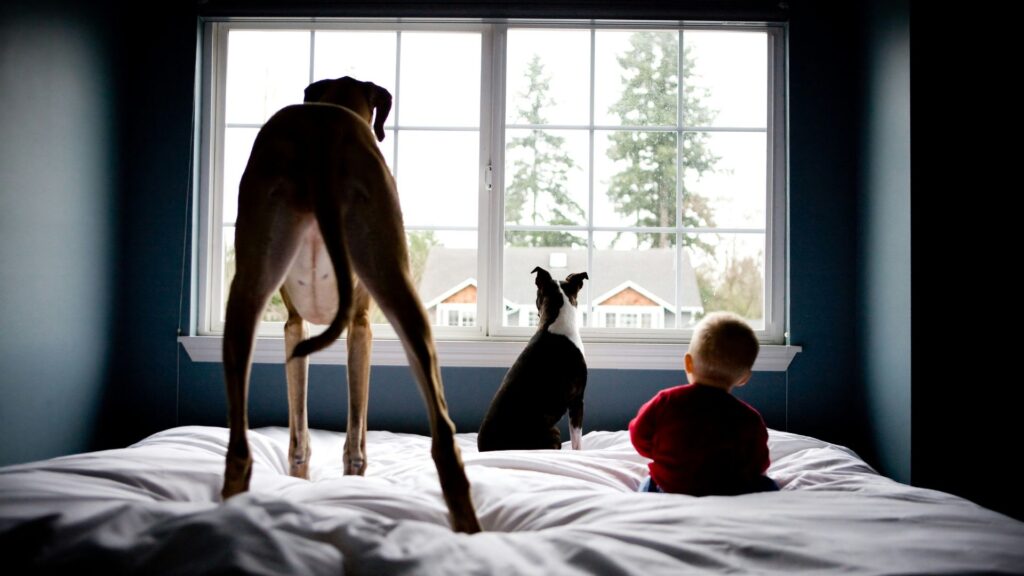
Numbers underline how widespread the pattern has become. Around 34% of postcode areas in England now record more dogs than children, placing the trend well beyond isolated pockets. Liverpool shows a gap of about 17,786 more dogs, and towns like Darlington stretch that difference past 70,000. Even so, larger cities still lean younger, with Birmingham counting more than 323,000 additional children.
Liverpool and Regional Gaps in Dog and Child Populations
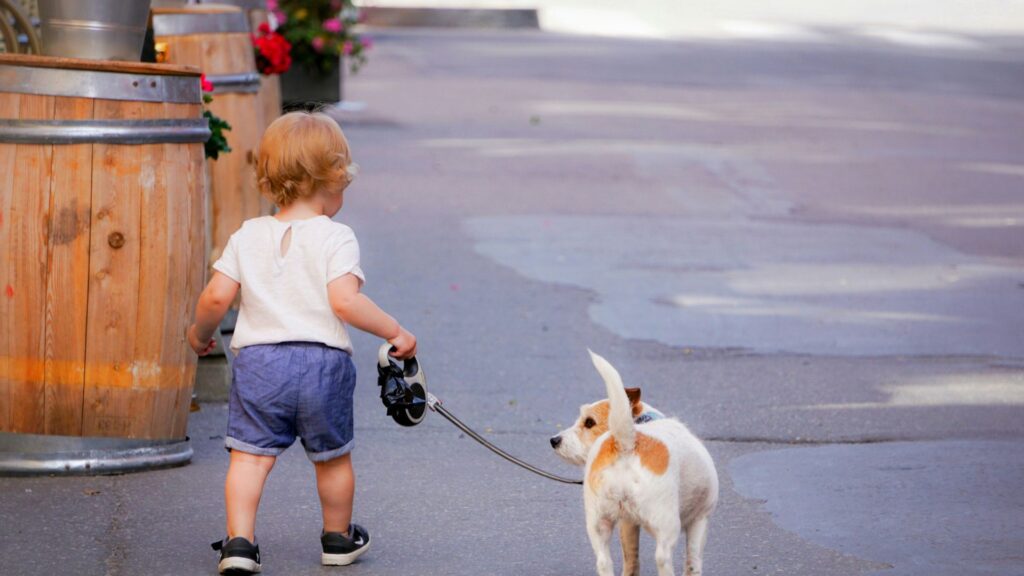
Liverpool stands out because dogs outnumber children by about 17,786, so the pattern feels local rather than theoretical. That difference mirrors wider regional gaps, and towns like Darlington push it further with more than 72,000 extra dogs. Shrewsbury follows with a gap above 51,000, and together these areas show how uneven family makeup looks across England, even as larger cities continue to tell a different story.
Cost Pressures Shaping Decisions Around Parenthood

Rising costs sit quietly behind many of these choices, so money enters the conversation early. Inflation has eased, yet everyday expenses still shape how couples plan their lives, and housing prices often narrow those plans further. As a result, smaller families feel more realistic, and long timelines around saving become part of daily thinking. In that space, caring for a dog fits more easily into budgets that already feel stretched.
Pets as a Practical Alternative for Younger Couples
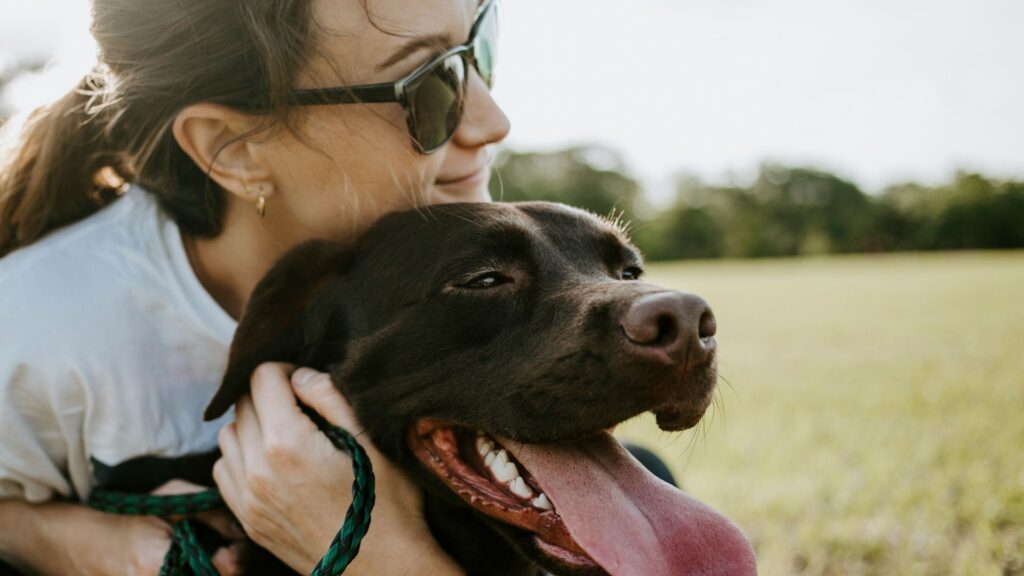
For many younger couples, pets fit neatly into everyday routines, so the appeal feels practical rather than symbolic. Dogs offer companionship and structure, and that bond develops without long financial timelines tied to schooling or childcare. At the same time, parks and local spaces support daily care in simple ways. As a result, pets settle naturally into homes where flexibility and affection matter, and where long-term commitments already feel carefully measured.
The Rise of Dinkwad Households Among Under-35s
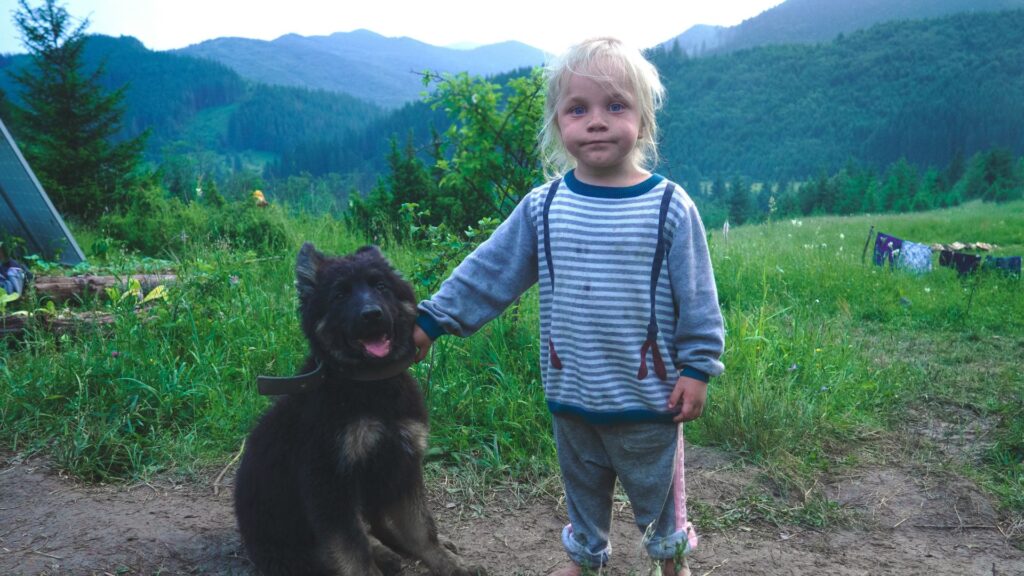
Under 35s increasingly describe themselves as dinkwads, so the label reflects lived routines rather than trends. The term points to dual incomes paired with dog ownership, and that pairing feels intentional and stable. Social identity builds around pets through shared habits and celebrations, and that visibility spreads through online spaces. As that identity settles in, dogs become central companions within households that plan carefully and value emotional closeness.
Age and Identity Trends Among New Dog Owners
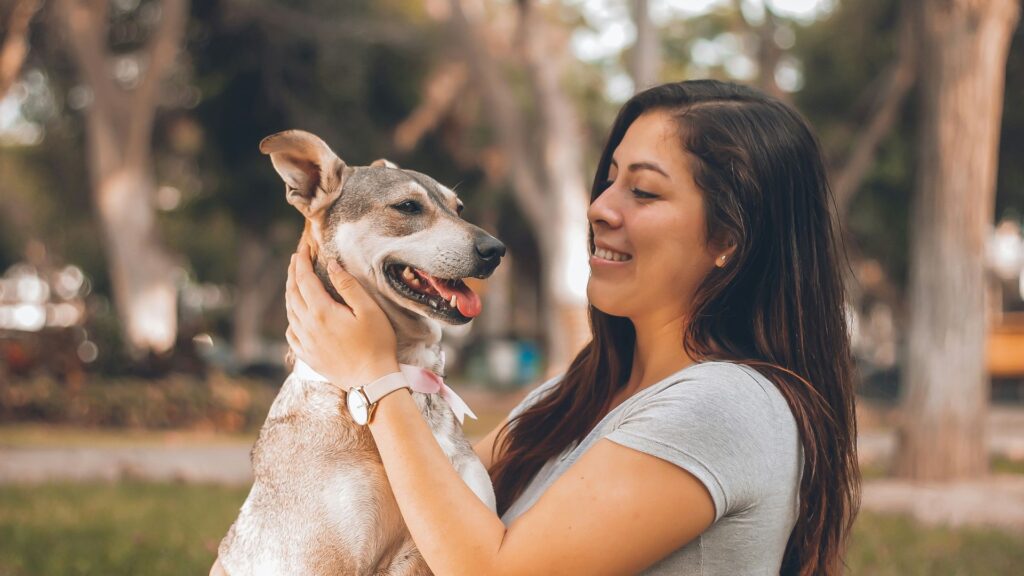
New dog ownership skews young, so age shapes how people describe these relationships. Nearly a quarter of new puppy owners fall between 25 and 34, and that detail flows into how they see themselves at home. Within that group, about two-thirds refer to themselves as a dog’s parent, and that language carries into daily routines. As a result, pets anchor identity and companionship during years often defined by delay and recalibration.
Flatlining Birth Rates and Local Population Imbalances
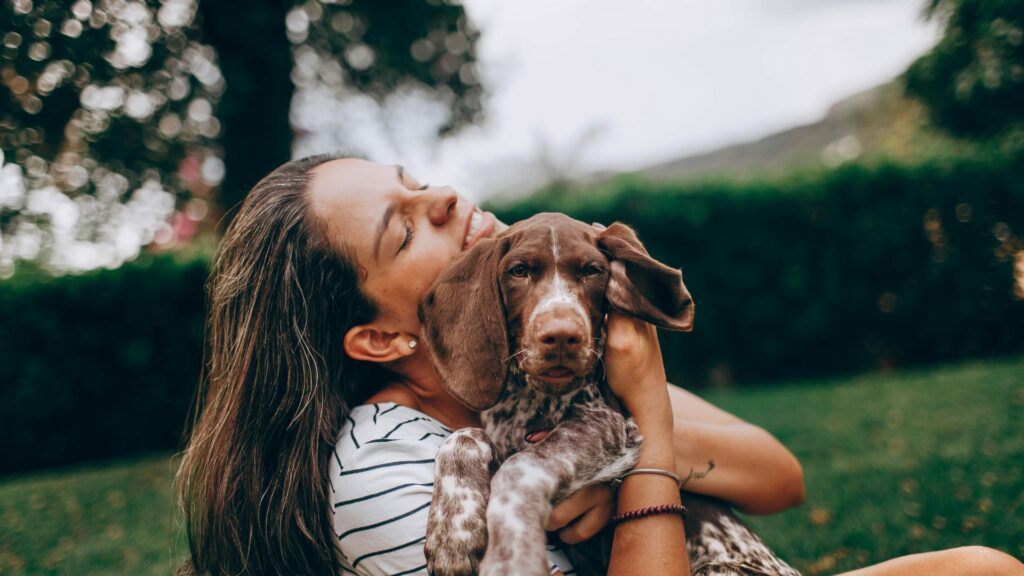
Birth rates across England now hold steady rather than rising, so population patterns feel uneven at a local level. Women in England and Wales average about 1.44 children, and in some areas that number drops far lower. As growth stalls year to year, neighbourhoods age differently, and fewer young families settle in. That imbalance sits alongside rising dog numbers, and together they quietly reshape how communities look and feel day to day.
Long-Term Demographic Concerns Tied to Fewer Births
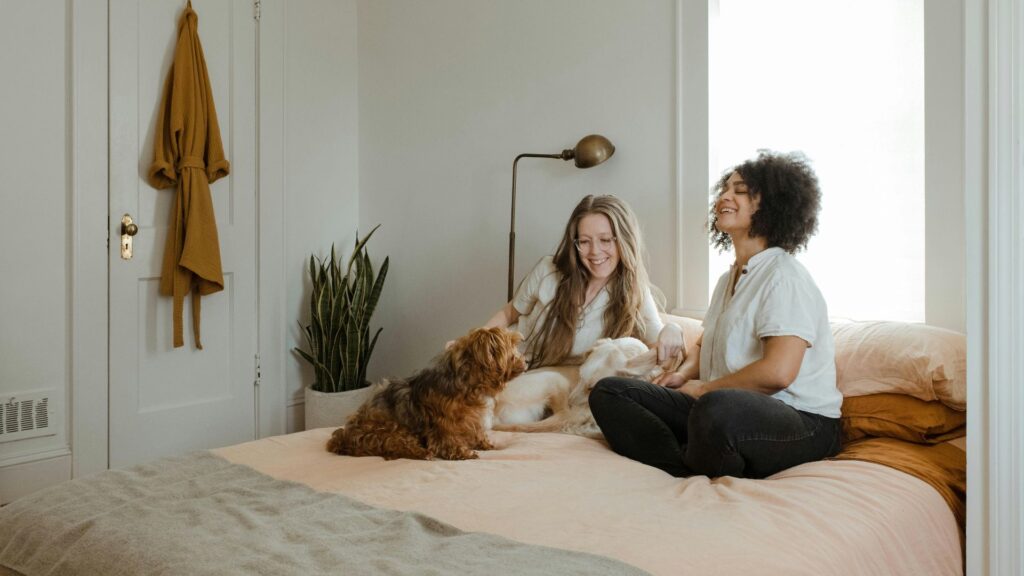
Fewer births carry implications that extend well beyond individual households, so attention turns toward population balance over time. Experts point to neighbourhoods aging faster as younger residents thin out, and that pattern affects local services and care networks. As fertility rates drop across much of England, reliance on migration enters public discussion. Alongside that backdrop, rising dog ownership sits as a parallel response, reflecting how personal choices connect with longer demographic patterns.
What These Choices Say About Modern Family Life
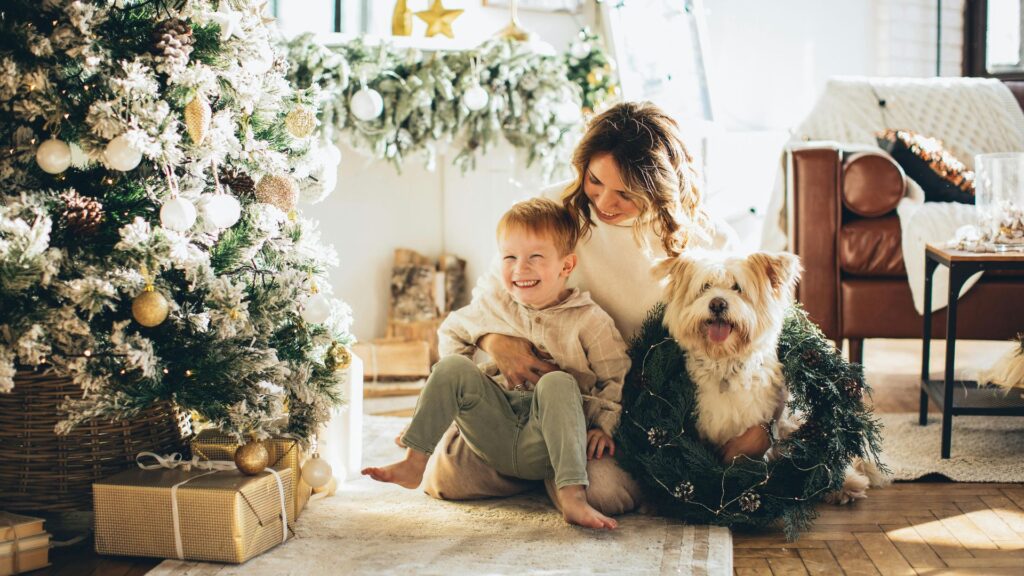
Household patterns now reveal how personal decisions align with broader social conditions, so dogs sit closer to the center of family life. As costs, timing, and identity continue to shape daily planning, couples respond in ways that feel manageable and familiar. That perspective flows into how care and companionship get defined. In turn, pets reflect how people adapt quietly, choosing stability and connection within limits that feel real today.