

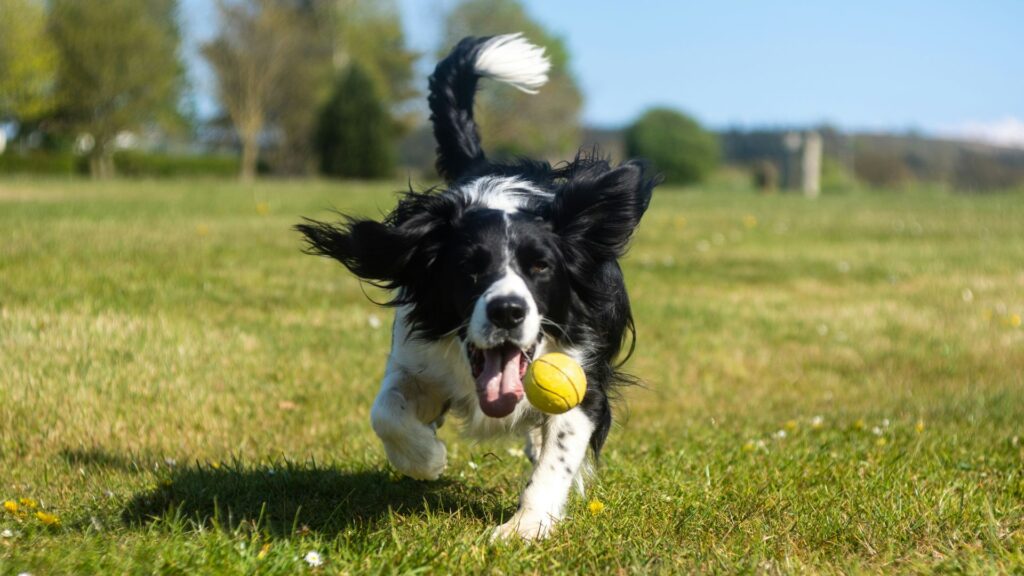
A familiar scene plays out in homes every day. A dog locks onto a ball, and nothing else seems to exist. That focus often looks harmless, even funny, and owners tend to reward it with another throw. Over time, that routine can shift from simple play into something harder to interrupt. New research suggests that the moment marks the beginning of a deeper behavioral pattern.
Scientists observing dogs during controlled play noticed that their attention narrowed once a favored toy was out of reach. Instead of moving on, some dogs stayed fixed on the object and ignored food or people nearby. That reaction carried on longer than expected and grew stronger with time. The behavior echoed patterns usually discussed in human psychology rather than pet ownership.
Those findings open a quiet but unsettling idea. Play does not always stay playful, and repetition can reshape how the brain responds to reward. Researchers now describe certain dogs as showing addiction-like behavior without any chemical trigger. That shift reframes fetch as more than exercise or bonding. It becomes a window into how habit and craving can form through routine alone.
How Researchers Measured Addiction-Like Toy Behavior
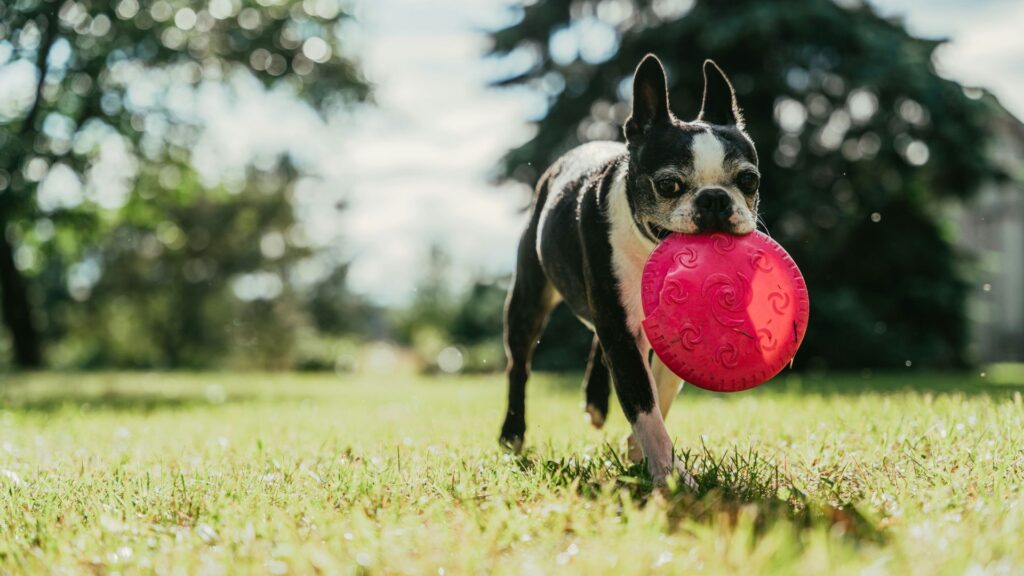
Researchers designed a controlled test that focused on behavior rather than assumptions. They asked owners to bring a dog’s preferred toy, then placed that object just out of reach. From there, observers tracked how each dog responded over time. Attention, movement, and stress signals guided the evaluation. The setup allowed patterns to surface without adding pressure or confusion.
As the minutes passed, most dogs shifted focus toward food, people, or the room itself. Others stayed locked onto the toy and showed persistent signs of fixation. Some paced back and forth, others whined, and many ignored treats placed nearby. That sustained attention revealed how the toy outweighed competing rewards. The behavior continued even after long periods without access.
Researchers scored each dog using a structured scale tied to craving and self-control. Higher scores reflected repeated focus and difficulty disengaging. Those scores aligned with behaviors commonly linked to human behavioral addiction research. The test relied on observation alone, which helped separate normal play drive from patterns that resisted interruption.
Why Certain Working Breeds Show Stronger Toy Fixation

Patterns emerged once researchers compared behavior across breed groups. Dogs bred for herding, hunting, or task-driven work showed higher levels of sustained focus during the toy separation test. That focus didn’t fade quickly, and attention stayed fixed even as other options appeared. The behavior followed the same path across similar working lines.
Selective breeding helps explain the response. Generations of dogs were shaped to lock onto targets, repeat actions, and stay mentally engaged for long periods. Those traits supported field work and cooperation with humans. Inside modern homes, the same traits can funnel toward toys that trigger fast reward signals. Over time, repetition strengthens that loop.
Researchers noted that the fixation looked less common in breeds developed for companionship. Working breeds reacted with longer pacing, vocalizing, and refusal of food. That difference didn’t point to poor training or owner behavior. Instead, it reflected inherited drive meeting a simple object that never stops rewarding attention.
Rethinking How Fetch Fits Into Daily Play
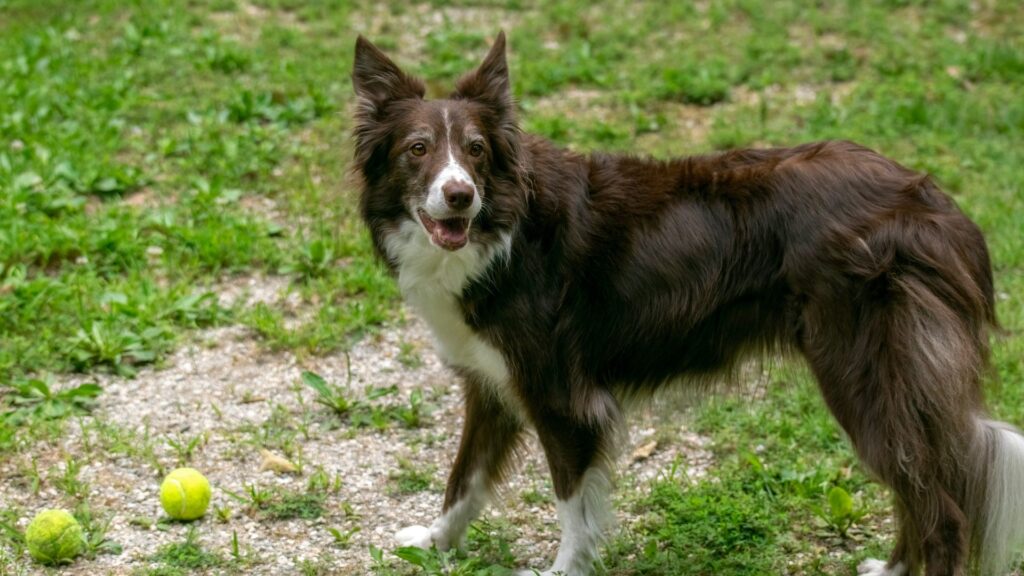
Awareness changes how owners approach play without turning it into a restriction. Fetch can still offer movement and focus, yet repetition deserves attention. Shorter sessions create natural stopping points. Variety in play helps shift attention without stress. Dogs respond to patterns, and small changes adjust those patterns over time.
Researchers point toward interaction as a steady alternative. Shared play invites cues, pauses, and feedback that objects cannot provide. Tug games, guided training, or problem-solving tasks redirect drive into cooperative motion. That shift reduces fixation without removing stimulation. Dogs stay engaged while learning to disengage.
Understanding this behavior also reshapes how people view habit formation. Dogs develop fixation without chemicals or conditioning tools. Repetition alone shapes response and reward. That insight extends beyond pets and into everyday routines people repeat without noticing and paying attention to how habits form opens space for healthier choices on both ends of the leash.