


A tiny clue from a single ocelot stirred fresh curiosity in Texas. Scientists looked at DNA from a road-killed cat and spotted markers they didn’t expect. The findings opened up a discussion about whether more wild ocelots roam far beyond the usual spots. Researchers didn’t rush to big claims, yet the discovery sparked plenty of interest. A rare genetic mix can push people to look closer at what’s hiding in the brush and how wildlife surprises never seem to stop.
Ocelot History In South Texas
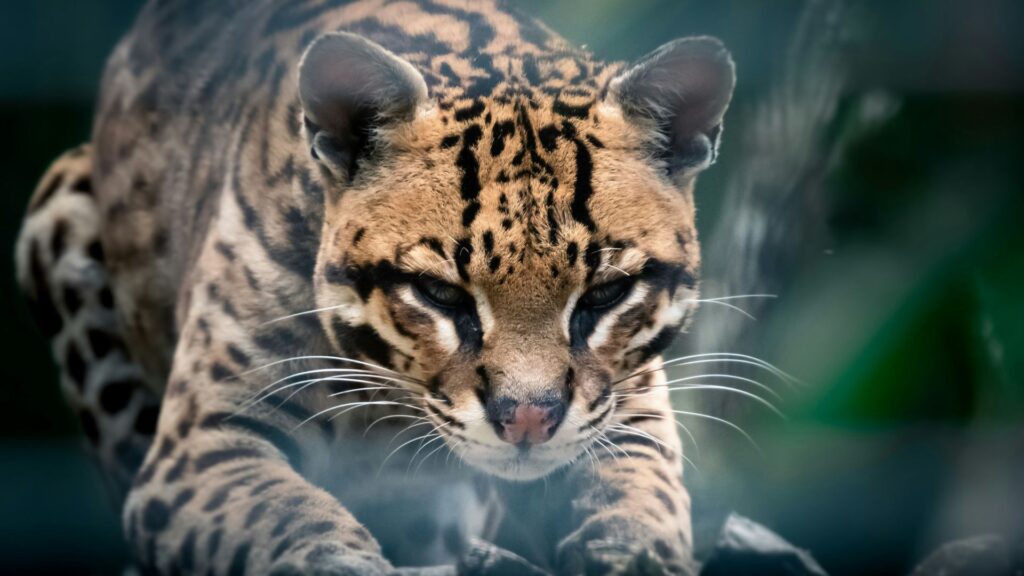
Ocelots once moved across wide stretches of South Texas, so the region carried a steady presence of these spotted cats. Numbers fell after habitat loss, hunting, and frequent road incidents. Officials now estimate around one hundred remain in the area. The drop created a long period of concern for researchers and local groups. Many people still watch the region closely and hope for signs that the cats continue to hold on in the remaining patches of brush.
Hidden Clues In A Roadside DNA Sample

Researchers studied DNA from an ocelot struck in 2021 and found a mix of markers that raised new questions. The cat turned up about fifty miles from the usual areas, so the sample carried real interest. It matched known Texas markers and also showed two linked to Mexican groups. The blend pushed scientists to look closer at where the cat may have traveled and how far these animals sometimes move across the region.
Texas And Mexican Genetic Markers

Researchers found all seven markers tied to Texas ocelots in the sample, so it strongly matched the known group. The same test also revealed two markers linked to Mexican populations. The mix caught attention because it hinted at movement across a wider area and raised new questions about where some cats may travel. The pattern encouraged scientists to look at how connected these groups might be and how far their range could reach in Texas.
Scientific Caution Over Early Findings
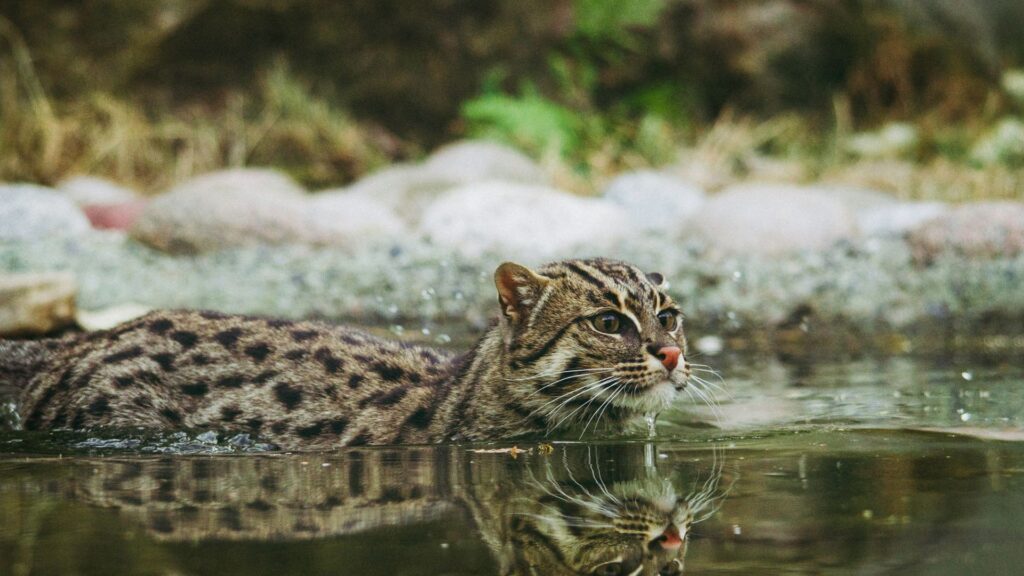
Dr Mike Tewes urged researchers to slow down on quick guesses, so the team approached the findings with care. He confirmed the cat wasn’t a captive animal and pointed out that ocelots can wander when they search for food. Some travel dozens of miles, so a lone sighting doesn’t guarantee a hidden group. Other scientists also kept their expectations measured and focused on gathering more data before pushing ideas about wider populations.
Ideas On Possible Undocumented Groups
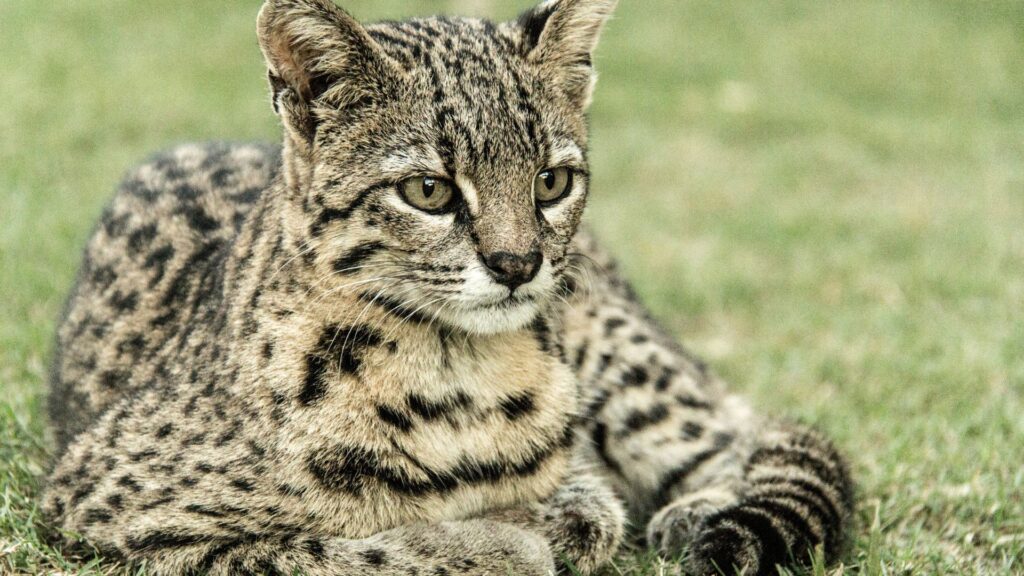
Some experts leaned toward a hopeful angle and wondered if more ocelots may live in quiet areas that haven’t been surveyed. The distance of the sighting gave them room to ask new questions, so they stayed open to the idea that a few groups might exist in scattered pockets. The thought encouraged more interest in tracking efforts and also reminded people that wildlife can surprise researchers when movement patterns shift across wide stretches of land.
Pressures Facing South Texas Ocelots

South Texas ocelots face steady pressure from shrinking habitat, hunting, and frequent road incidents, so each factor adds weight to their decline. The remaining brush areas sit in short supply, and development keeps pushing into the spaces the cats once used with ease. Researchers also point to pollution and other human activities that affect survival. Many groups follow these trends closely and look for ways to protect the few animals still moving through the region.
Recovery Stories From Other Endangered Animals
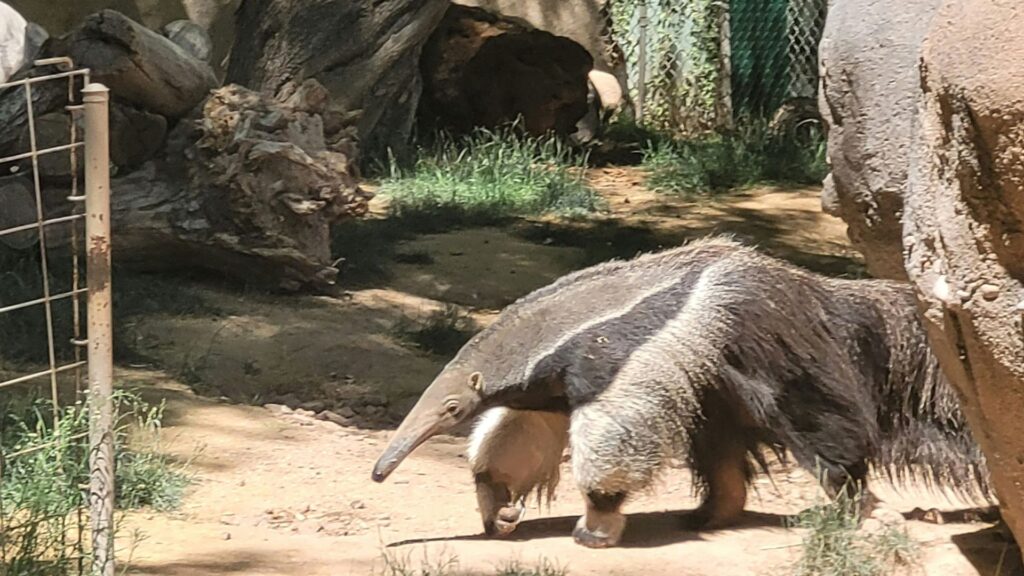
Some wildlife groups pointed to other animals that found steady recovery, so their stories offered a bit of encouragement. Blue whales gained numbers after major protections, and giant anteaters also returned in areas where habitat work continued. Each example showed how focused care and rewilding programs can lift species that once sat near disappearance. The outcomes gave researchers and local groups a reason to stay invested and keep watching progress in Texas.
Why Ocelots Matter To Local Ecosystems
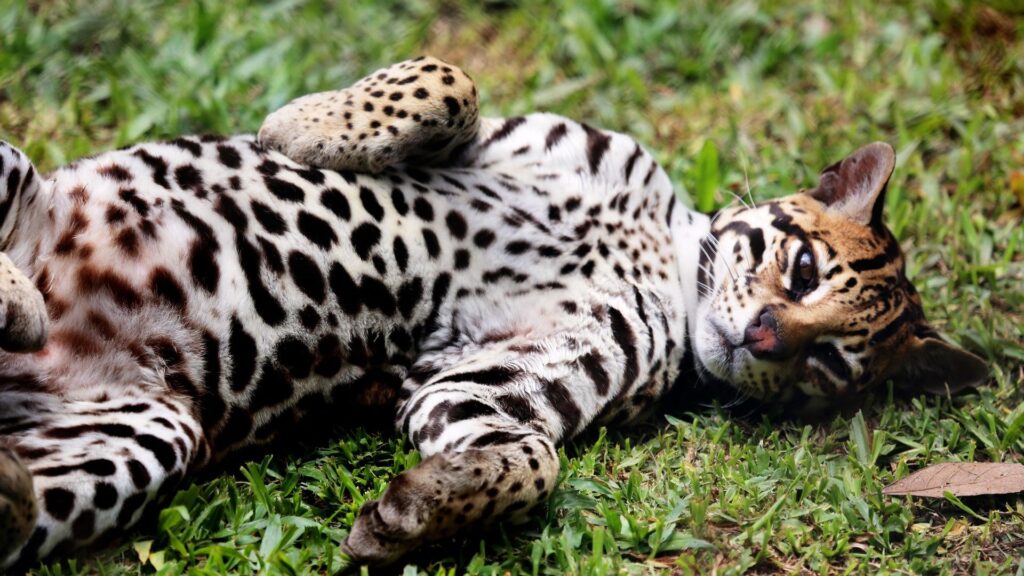
Ocelots hunt rodents, so their presence shapes how many pests move through an area. Fewer rodents can mean fewer chances for disease to spread, and that adds real value for communities near wild spaces. Local groups also point out that a steady predator helps keep a balanced mix of animals on the land. Many residents care about this link and continue to support efforts that protect the remaining cats in South Texas.
Keeping Eyes Open For Hidden Wildlife
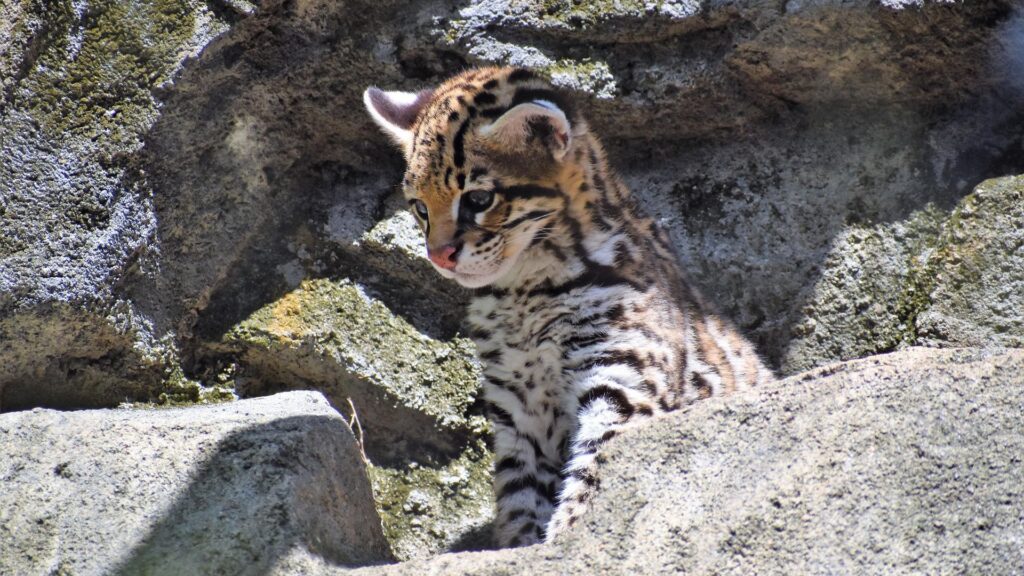
Ocelots continue to surprise people in South Texas, so each clue feels worth watching. A single DNA sample can spark fresh interest and get more residents involved in local wildlife efforts. Small steps help, like learning where ocelots move and supporting groups that protect their remaining habitat. Curiosity often leads to care, and care often leads to more eyes on the ground. New sightings can appear at any moment when people stay alert.