

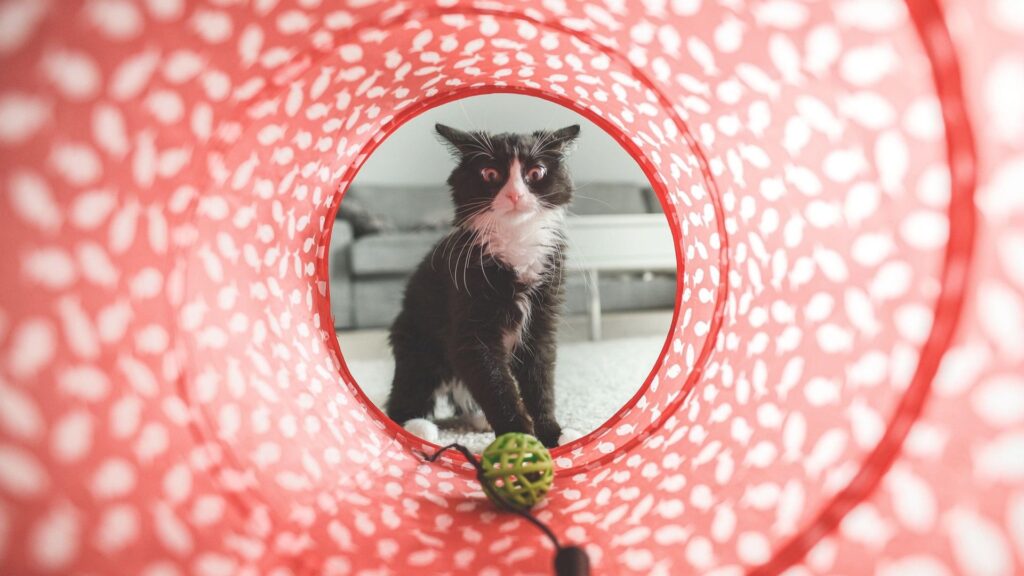
Play is where trust and friendship grow between you and your pet, it turns simple time together into meaningful bonding that both of you carry into everyday life.
Regular play sends a clear message to your animal, you are a source of safety, fun, and attention, and that builds a calmer, more secure relationship.
Short sessions repeated often beat one long session, aim to make play predictable yet enjoyable so your pet knows what to expect and looks forward to interaction.
Improved Behavior and Emotional Balance

Many behavior problems come from boredom or anxiety, when pets lack stimulation they invent their own entertainment, which can look destructive or hyperactive.
A consistent play routine channels energy into positive outlets, reducing stress and undesirable habits.
Play is also intrinsically rewarding, animals repeat actions that feel good, so joyful interaction strengthens your bond without relying on treats or punishment.
Practical Ways to Make Play Count

About thirty minutes a day is a helpful benchmark, but adjust for your pet’s breed, age, and temperament. High-energy dogs need longer, curious cats benefit from several short bursts throughout the day.
Rotate toys and hide favorites around the home to spark curiosity, use puzzle feeders and snuffle mats to tap into natural foraging instincts, and try simple scent or hide-and-seek games to add mental challenge without extra cost.
You can repurpose household items for games, towel surfing for cats or a homemade fishing pole for dogs, these DIY ideas keep play affordable while sharpening mental focus and coordination.
Outdoor and Sensory Play for Wellbeing
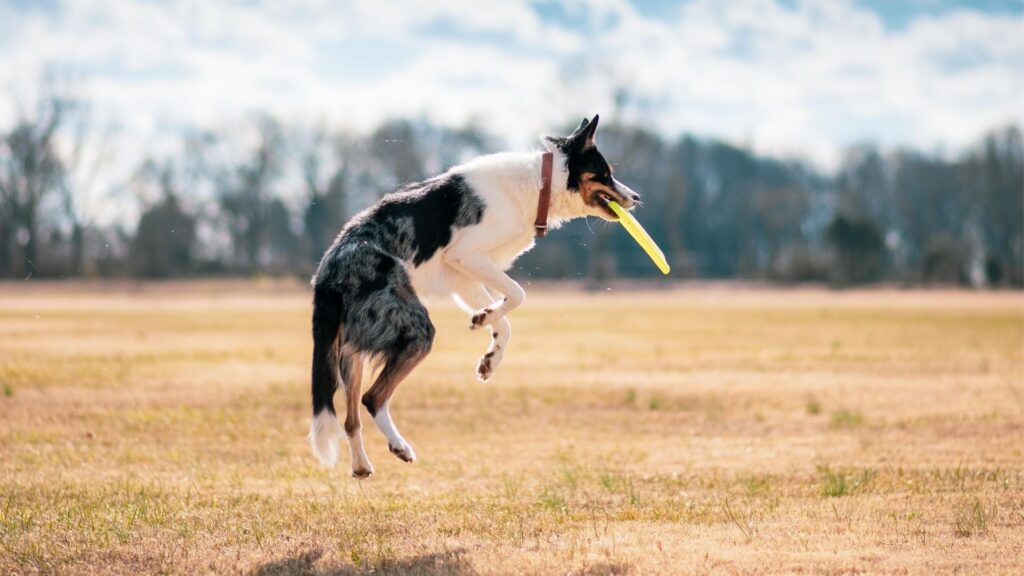
Fresh air and new textures open up rich sensory experiences, whether it’s a backyard romp, a walk with novel smells, or a box filled with leaves. Even passive activities like watching motion can be stimulating for older pets, sensory input supports confidence and reduces stress.
Encouraging gentle “hunting” behavior by scattering small portions of food or placing meals on plates around the house gives reluctant movers a reason to explore, it increases activity and satisfies instinctual drives.
Sensory play strengthens overall wellbeing, it improves mood, builds resilience, and helps pets adapt to change, which makes everyday life calmer for them and easier for you.
Closing thoughts

Playing with your pet is more than entertainment, it is practice in communication, a daily investment in mental and physical health, and a simple route to a deeper relationship.
Small, thoughtful sessions add up to big benefits.
Start with what feels natural, keep variety and challenge in rotation, and watch how consistent, playful attention transforms behavior, mood, and the bond you share.