

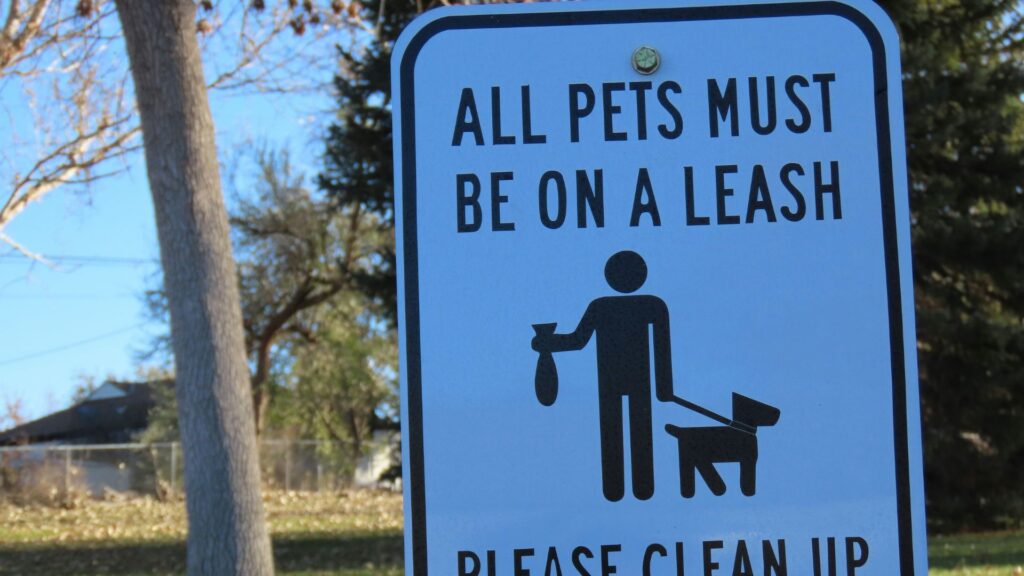
Residents at a northern New Jersey condo are learning that science has entered daily life in an unexpected way. What starts as a simple walk with a dog now carries the possibility of laboratory testing and a paper trail. Across shared paths and courtyards, frustration over unattended waste has grown quietly. Property managers now lean on DNA matching, and that quiet irritation turns into enforcement, fines, and a new expectation of accountability for residents involved.
DNA Registration Required for Dogs at Hudson Harbour
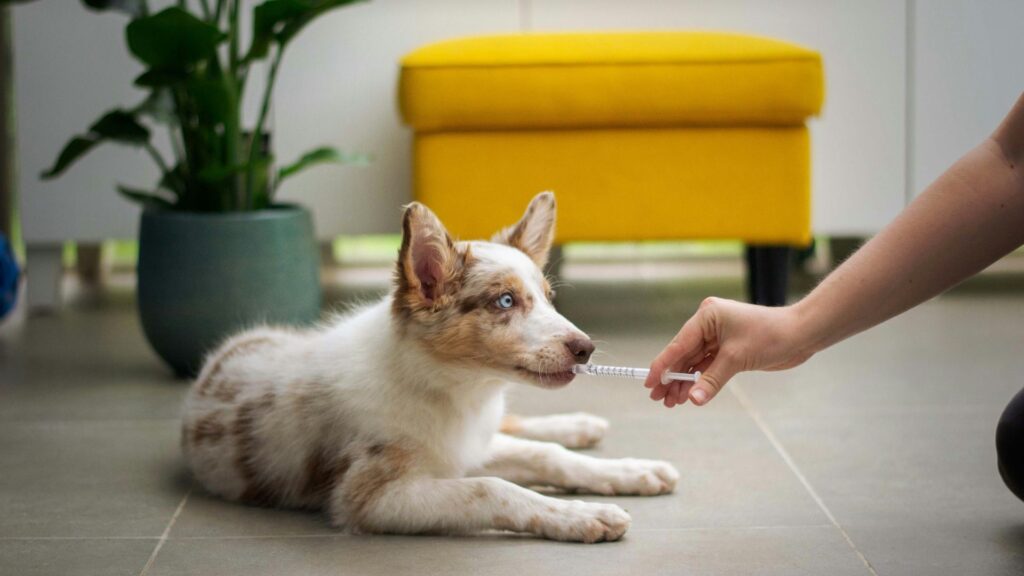
Hudson Harbour now asks every dog owner to register their pet through a cheek swab, so management keeps a genetic profile on file before any problems start. That step connects daily routines to a system running quietly in the background, and it also signals that pet ownership comes with clear expectations. Residents complete the process once, then move through shared spaces knowing any waste left behind can be traced back to a specific dog.
How Pooprints Matches Waste to Individual Dogs
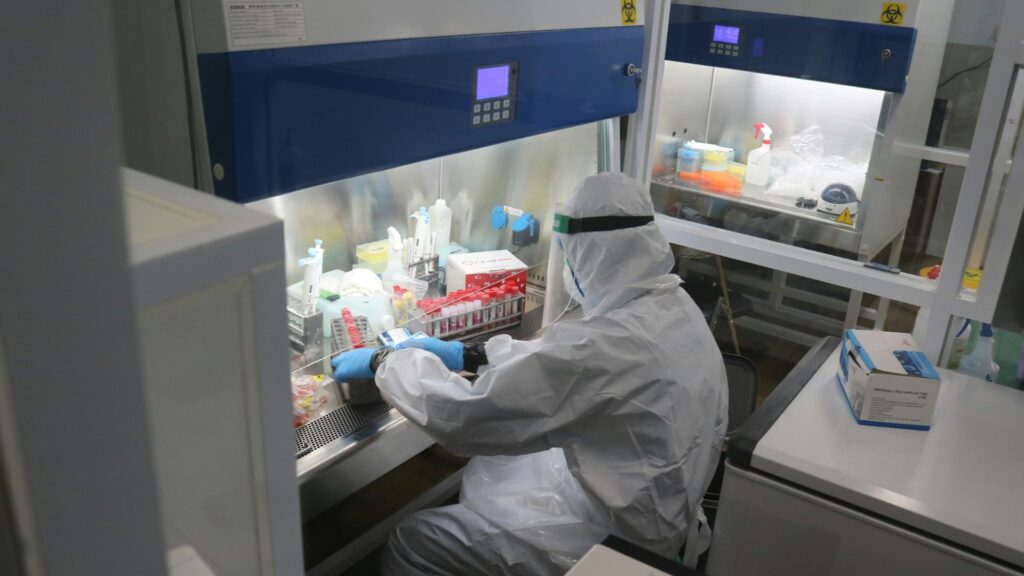
At the lab, the process stays straightforward and procedural. Technicians open the package and log the sample into the system. DNA gets extracted and compared against the cheek swabs already collected from registered dogs. Each profile sits on a file, waiting for a match. Within 10 business days, the system flags the dog involved and sends the result back to property management, removing guesswork and closing the loop quickly.
Property Managers Handle Collection and Lab Submissions
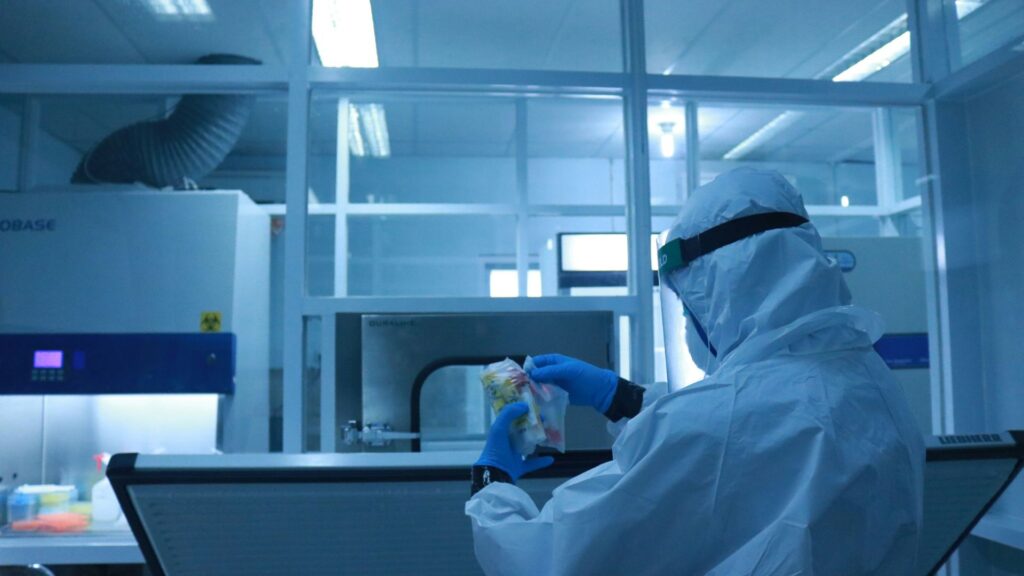
Inside the condo office, collections are handled by management rather than residents. So the property manager, Christina Ortiz, takes the kit, heads outside, and gathers a small sample using the tools provided. The material goes into a tube, then into a sealed biohazard bag. Packages leave the building through standard shipping, and residents never see the handling, keeping the process routine, contained, and removed from daily interactions.
$250 Fines Issued After DNA Confirmation

Emails land in the management inbox once testing finishes. The message names the dog connected to the sample and documents the finding without room for debate. Staff then applies the fine tied to the violation, which totals $250 at Hudson Harbour. Residents usually accept the charge since the identification rests on stored DNA records, and management says repeat notices rarely appear after fines are posted.
Resident Reactions to DNA-Based Enforcement

Reactions show up in casual comments rather than formal complaints. Mike Gordon shrugs off the policy and says he would support even higher fines, adding that some owners still leave waste behind. Eliana Marquez frames it more bluntly, calling it annoying to dodge droppings during walks. She asks why others should deal with someone else’s mess, and says the testing finally gives people a reason to think twice.
Why Dog Waste Triggers Health and Sanitation Concerns
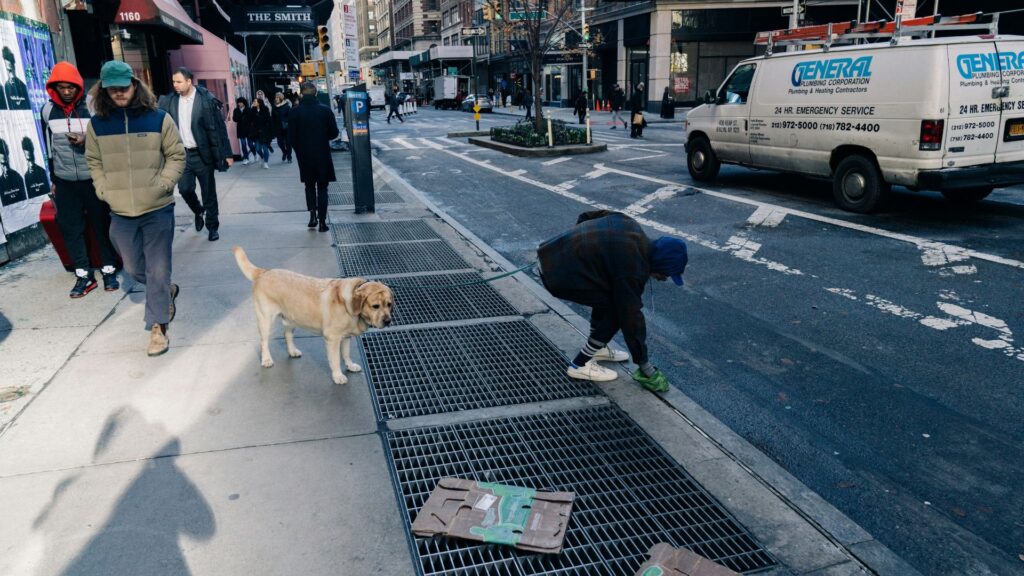
Health concerns sit just beneath the surface of the cleanup debate. Dog waste doesn’t just look unpleasant, so people worry about what it carries. Pooprints point to bacteria and disease lingering in shared spaces, which means sidewalks and lawns become something residents avoid. That awareness spreads quickly, and because families, kids, and pets use the same areas, sanitation stops feeling abstract and starts shaping how communities respond to everyday messes.
Growth of DNA Monitoring Across New Jersey Properties

Across New Jersey, the system no longer sits in one building. BioPetLabs says nearly 300 communities across New York and New Jersey now use the program, with about 40 located in Jersey City. National use reaches about 9,000 properties, spanning apartments, condos, HOAs, and dog parks. Company representatives say interest keeps growing as DNA testing feels more familiar and pet ownership continues rising across shared residential spaces.
Program Costs for Dog Registration and Sample Testing

Money questions usually surface once residents hear how the system runs. BioPetLabs tells property owners the upfront cost sits around $60 per dog for DNA registration. Each tested sample adds about $125 when waste reaches the lab. Those figures frame the program as a service rather than a penalty. Fines collected after violations offset costs, and managers say predictability helps boards explain the expense during meetings and lease signings.
Everyday Habits Now Carry Traceable Consequences
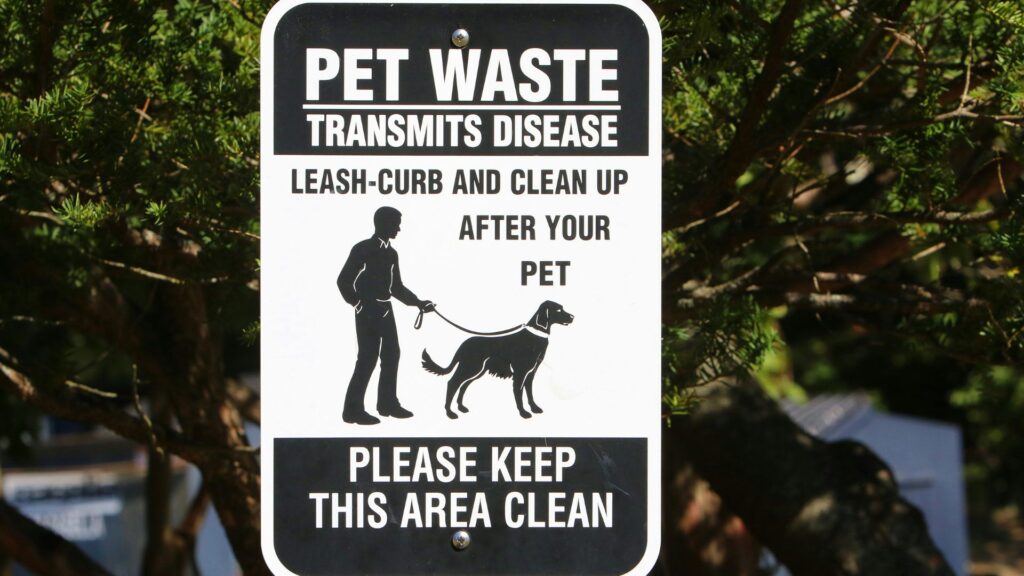
What lingers after the testing and fines is how routine behavior now leaves a record. Walking a dog feels ordinary, so skipping cleanup once can seem minor, which means the response surprises people when it arrives. DNA testing removes anonymity, so responsibility sticks even days later. That clarity reshapes expectations across shared spaces, and residents adjust quickly. In buildings like Hudson Harbour, cleanliness no longer depends on courtesy, because accountability follows every step taken outside.