

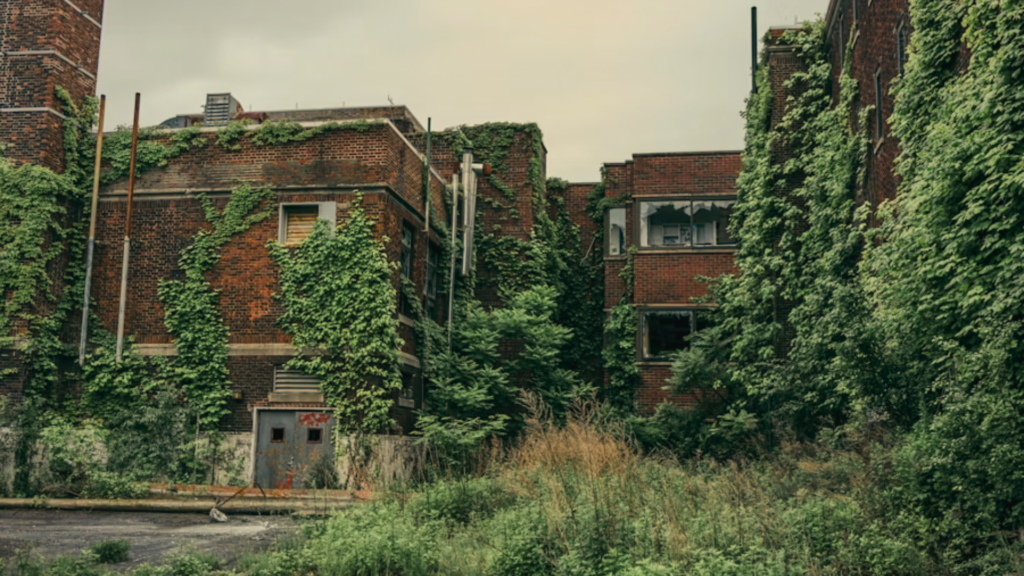
Humans have dominated Earth for thousands of years, but our reign is not always guaranteed. Scientists studying evolutionary history have long known that whenever a dominant species disappears, nature fills the void quickly. The next rulers may already live among us, in sewers, oceans, and city parks, quietly waiting. These 10 species are biologically built to survive what humans simply cannot.
Ants
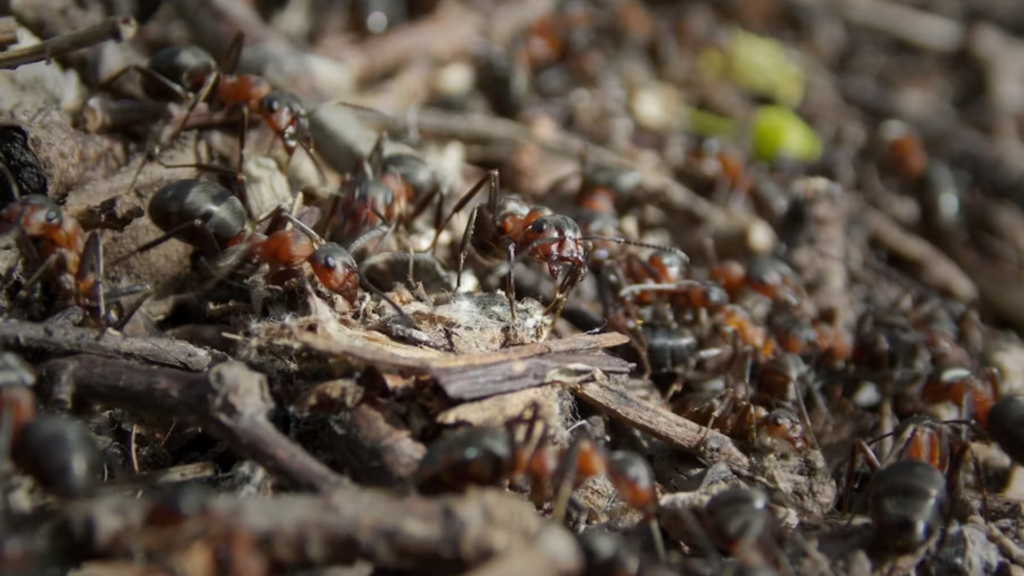
If power is measured in numbers and coordination, ants may already be winning. There are an estimated 20 quadrillion ants on Earth, organized into colonies that function like a single living organism. Some species farm fungi; others herd aphids like livestock. Without humans to disrupt ecosystems, ants could reshape entire landscapes, stripping and redistributing resources on a global scale.
Cockroaches
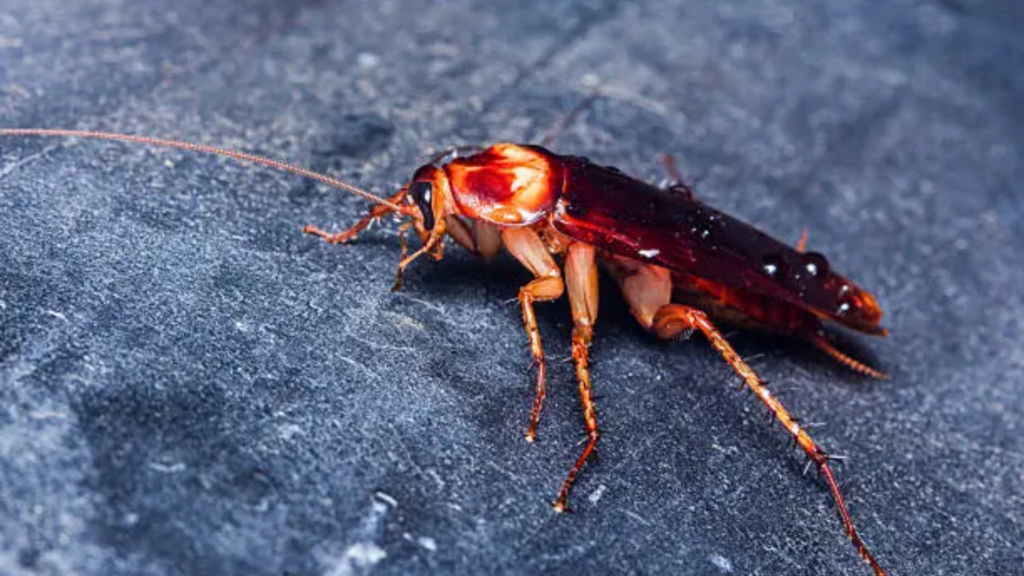
Cockroaches have survived five mass extinctions. They can go a month without food, hold their breath for 45 minutes, and consume nearly anything, including paper, glue, and dead skin. Their hard exoskeletons shield them from physical harm and moisture loss, allowing them to thrive in extreme climates. In a world littered with human ruins, they would find an almost unlimited food supply and face no meaningful competition.
Rats
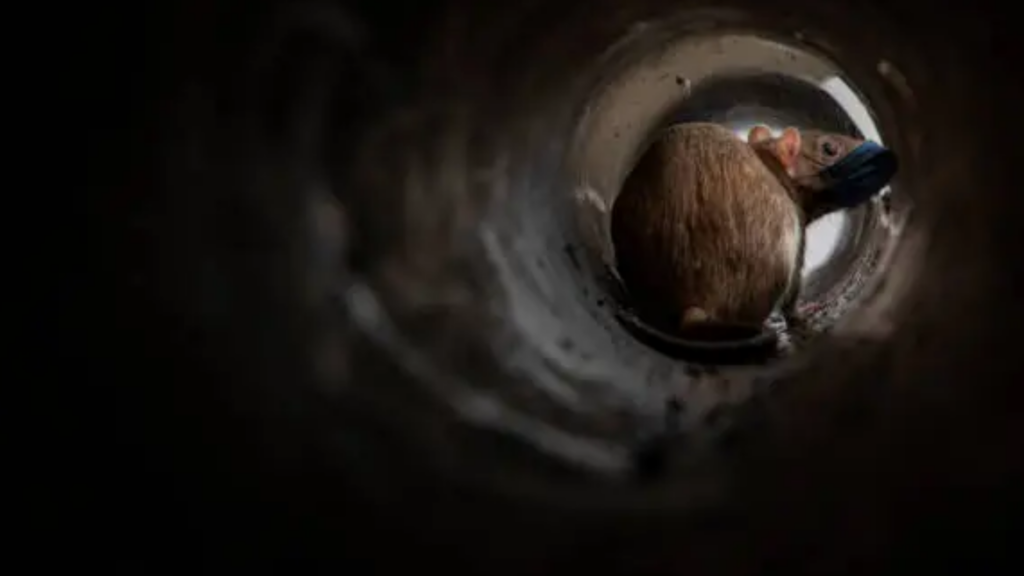
Rats have hitchhiked with humans to every corner of the planet and never stopped thriving. They eat almost anything, including each other, and a single breeding pair can produce hundreds of descendants in a year. Research shows they already colonize sewers, farms, and cities with ease. Once humans disappear, rats would inherit our buildings and waste, then gradually move outward to reclaim the wild on their own terms.
Crows
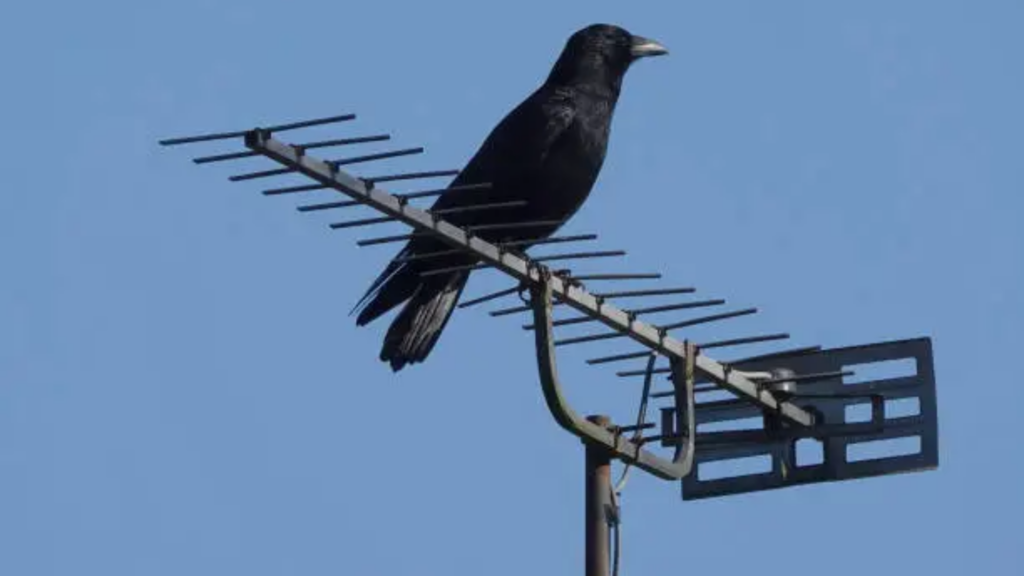
Corvids, the bird family that includes crows and ravens, rank among the most intelligent animals on Earth. They recognize individual human faces, solve multi-step puzzles, and use tools to extract food from tight spaces. Without humans to restrict their movement, crows would claim cities as nesting grounds and thrive as both scavengers and hunters. Their ability to learn, adapt, and pass knowledge between generations gives them a rare evolutionary edge.
Octopuses
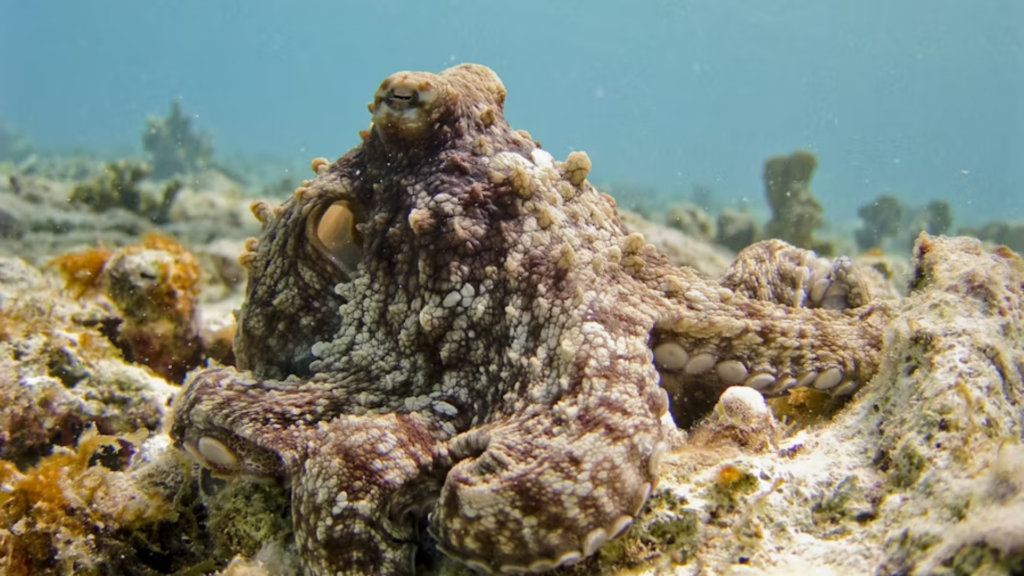
An octopus has three hearts, nine brains distributed through its arms, and the problem-solving ability to escape any enclosure scientists have built. The one weakness holding them back is solitude. They do not pass knowledge to offspring. But biologists note that if octopuses ever evolved even basic social behavior, their intelligence could fuel an entirely different kind of underwater
Wolves
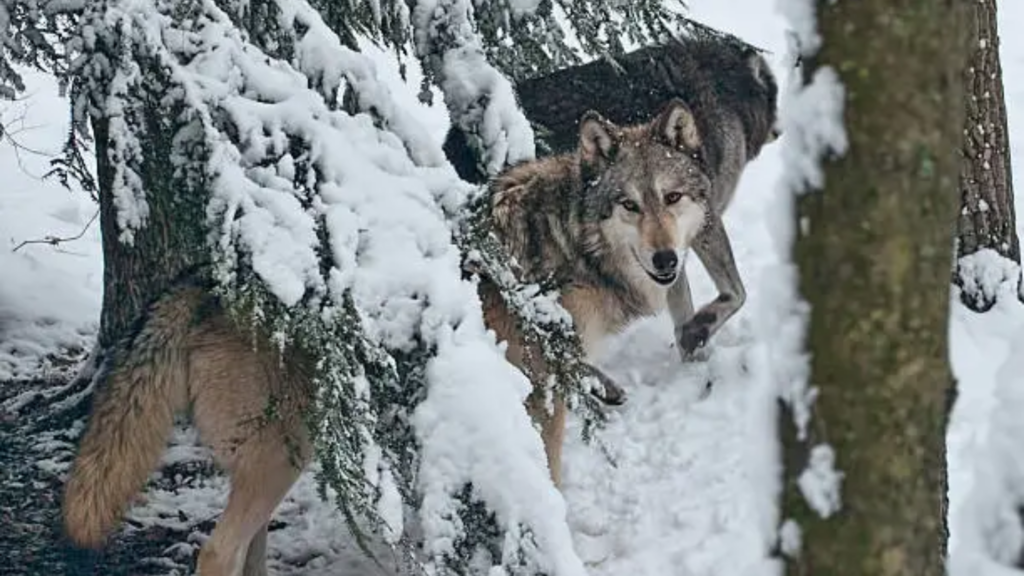
Wolves are already poised to expand wherever humans pull back. Highly social and coordinated, they hunt in packs capable of taking down prey far larger than themselves. Without human interference, wolf populations would grow steadily alongside recovering deer and bison herds. Evidence from rewilded regions shows they restructure entire ecosystems around them, controlling prey numbers and even altering river courses by changing where animals graze.
Jellyfish
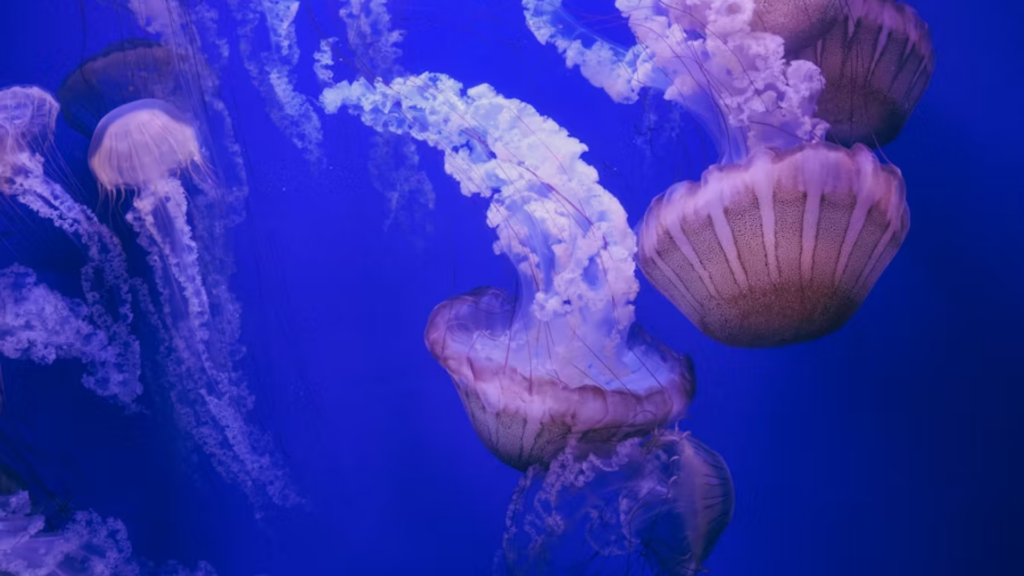
While most ocean life suffers in warming, acidifying seas, jellyfish flourish in exactly those conditions. They thrive where fish and coral reefs collapse, feeding on fish eggs and plankton in massive blooms that can stretch for miles. They reproduce rapidly and require almost no energy to survive. A world with higher ocean temperatures would not spell extinction for jellyfish. It would hand them an ocean of opportunity with almost nothing left to compete against them.
Tardigrades
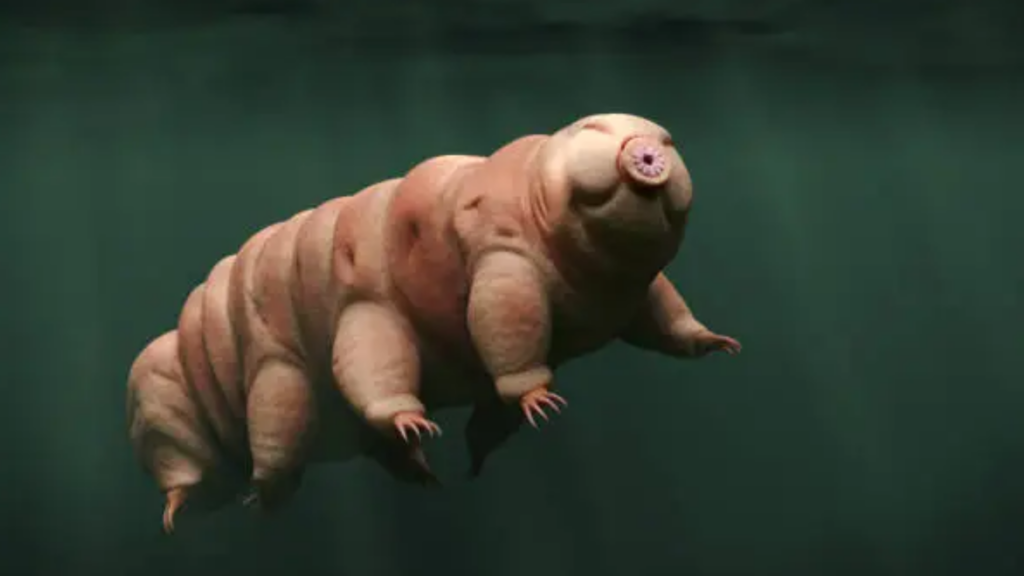
Tardigrades, also called water bears, are microscopic animals capable of surviving the vacuum of space, crushing deep-sea pressure, and intense radiation that would kill any other known organism. They exist on every continent, from ocean trenches to mountain peaks, and can enter a suspended state for decades when conditions worsen. They may never build cities, but in a world of catastrophic change, they are arguably the most qualified species to call Earth home indefinitely.
The Next Chapter of Life on Earth
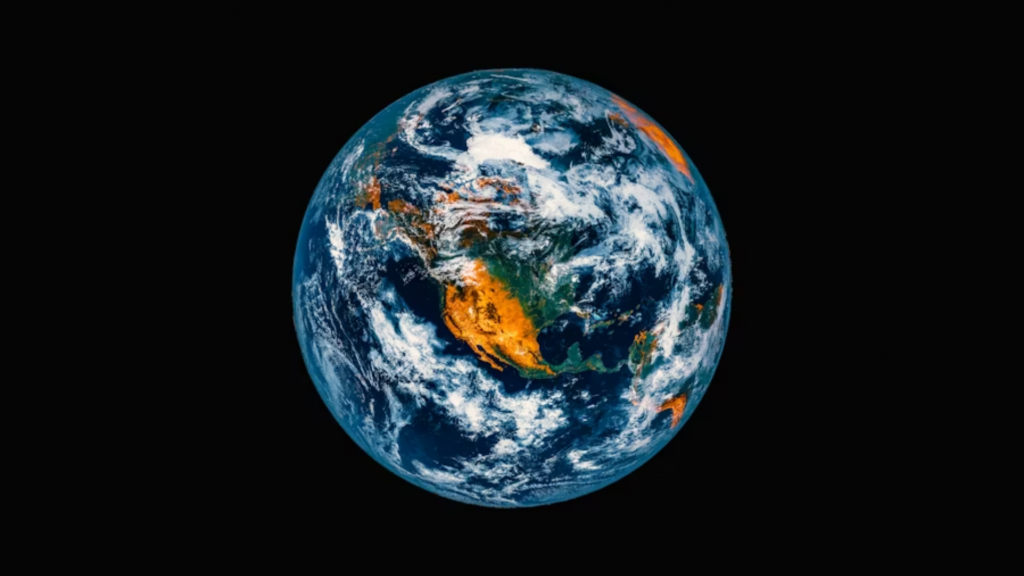
Humans are not the end of the story. Every species on this list has already solved problems that evolution took millions of years to design. They do not need our technology, our cities, or our climate to survive. What they need is simply for us to step aside. The real question is not which species could inherit the Earth. It is whether we are paying close enough attention to realize they have been ready all along.