

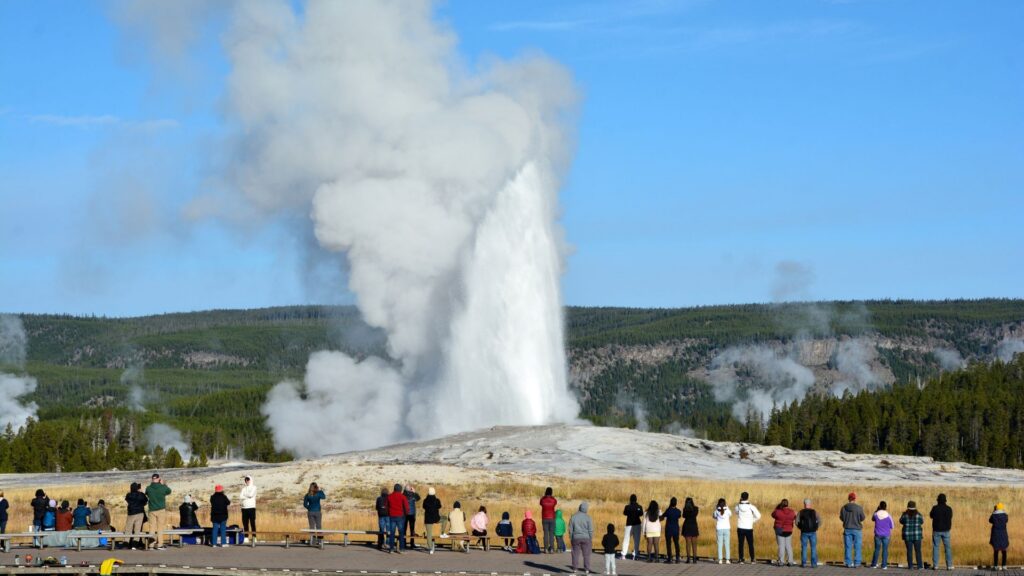
Yellowstone National Park draws millions of visitors each year to witness its geysers, hot springs, and wildlife. Few tourists realize they’re standing atop one of Earth’s most powerful volcanic systems. Recent discoveries using artificial intelligence have revealed the park is far more active beneath the surface than anyone previously imagined, with tens of thousands of tiny earthquakes going undetected for years.
The park sits above a massive caldera stretching across Wyoming, Montana, and Idaho. This depression formed 640,000 years ago when a supervolcano erupted and emptied its magma chamber, causing the ground above to collapse. Scientists classify Yellowstone as a supervolcano because evidence shows it once released over 240 cubic miles of material in a single eruption, ranking 8 on the Volcanic Explosivity Index.
Beneath the scenic landscape, an enormous magma system remains active today. The most recent volcanic activity at Yellowstone consisted of rhyolitic lava flows that erupted approximately 70,000 years ago, according to the U.S. Geological Survey. That long gap doesn’t mean the volcano is dead, just dormant. Heat continues rising through cracks in the Earth’s crust, powering the geothermal features that make Yellowstone famous worldwide.
Hidden Seismic Activity
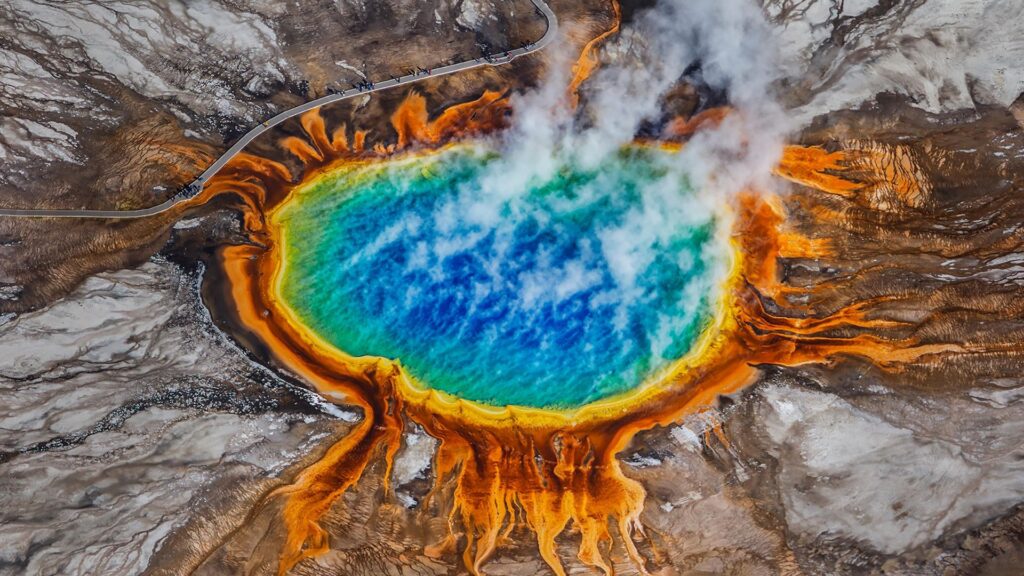
Researchers have uncovered over 86,000 earthquakes—10 times more than previously known—revealing chaotic swarms moving along rough, young fault lines. A team led by Western University professor Bing Li used machine learning to analyze 15 years of seismic data from 2008 through 2022. Traditional monitoring methods missed these microearthquakes because they registered below magnitude 1.5, too small for people to feel at the surface.
The artificial intelligence program examined continuous seismic waveforms from monitoring stations around the park. It identified earthquake wave arrivals that human analysts overlooked during routine processing. This breakthrough created a catalog containing 86,276 events, dramatically expanding scientists’ understanding of what happens beneath Yellowstone. Most of these tiny quakes clustered along immature fault lines where underground water and steam move through cracks.
David Shelly, a USGS seismologist involved in the research, explained that the technique detected very small earthquakes not identified by real-time systems. The AI then mapped these events in three dimensions, showing exactly where seismic activity concentrates. Scientists discovered that earthquake swarms occurring years apart often happened in nearly identical locations, suggesting predictable patterns in how the caldera releases built-up pressure and stress.
What Scientists Are Actually Monitoring
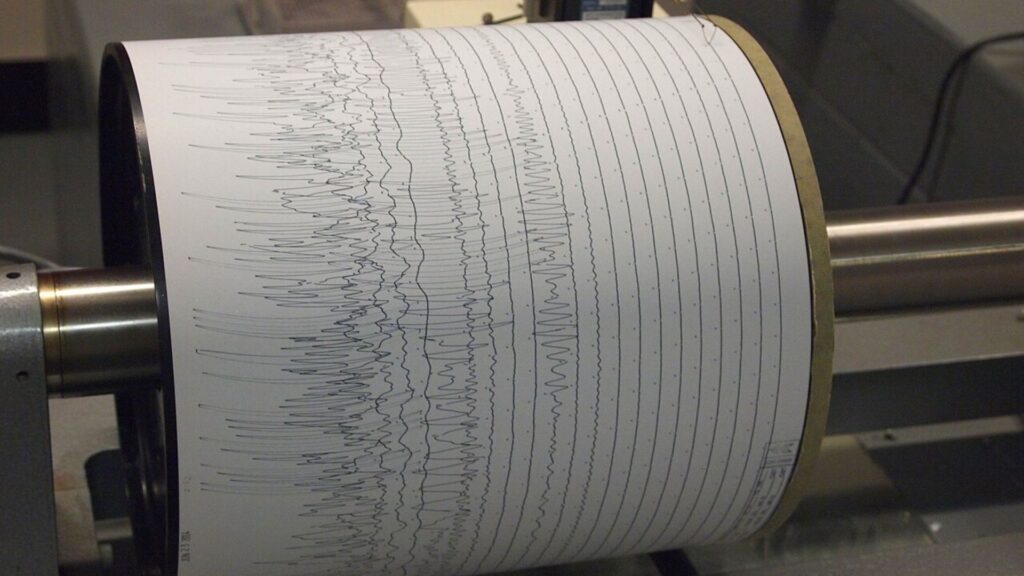
The Yellowstone Volcano Observatory operates one of the most comprehensive monitoring networks on Earth. Seismometers track ground vibrations around the clock, while GPS stations measure even millimeter-scale changes in elevation. Gas sensors sample emissions from vents and hot springs, monitoring for chemical shifts that might signal magma movement. Satellite radar systems detect ground deformation across the entire caldera from space.
Recent activity includes a hydrothermal explosion at Biscuit Basin on July 23, 2024, which temporarily closed the area. This event wasn’t volcanic but resulted from superheated water suddenly flashing to steam underground. Such explosions represent the most likely geological hazard visitors might encounter, far more probable than a volcanic eruption. Scientists recorded multiple small eruptions at Black Diamond Pool in December 2024, detected through cameras and infrasound monitoring.
Ground deformation patterns show the caldera continuously rises and falls in what researchers call breathing cycles. The Norris Geyser Basin area experienced notable uplift and earthquake activity during 2024 and 2025, prompting increased monitoring. These changes reflect underground fluid movement rather than magma pushing upward. USGS scientist Michael Poland emphasized that current activity levels remain normal for Yellowstone, with alert status unchanged despite heightened media attention.
Understanding the Actual Risk
Yellowstone is not overdue for an eruption, according to the USGS. Past supereruptions occurred at 2.08 million, 1.3 million, and 631,000 years ago. While this suggests an average interval of 725,000 years, scientists stress that volcanoes don’t follow predictable schedules. The math is based on just two intervals between three eruptions, making any timeline meaningless for forecasting purposes.
A January 2025 study published in Nature examined Yellowstone’s magma system using electrical conductivity measurements. The research revealed that very low percentages of actual molten material exist in the magma chambers beneath the park. Most of the underground system remains solid rock, not liquid magma ready to erupt. This finding reinforces earlier studies showing the volcanic system isn’t primed for a catastrophic event.
If warning signs appeared, scientists would detect multiple indicators simultaneously. Earthquake swarms would intensify and cluster tightly in specific areas. Ground sensors would track accelerating uplift rates. Gas measurements would show significant changes in emissions from thermal features. These signals would need to persist and strengthen over extended periods before raising alarm levels. The monitoring systems in place would provide substantial warning time, allowing authorities to take appropriate action before any eruption.