

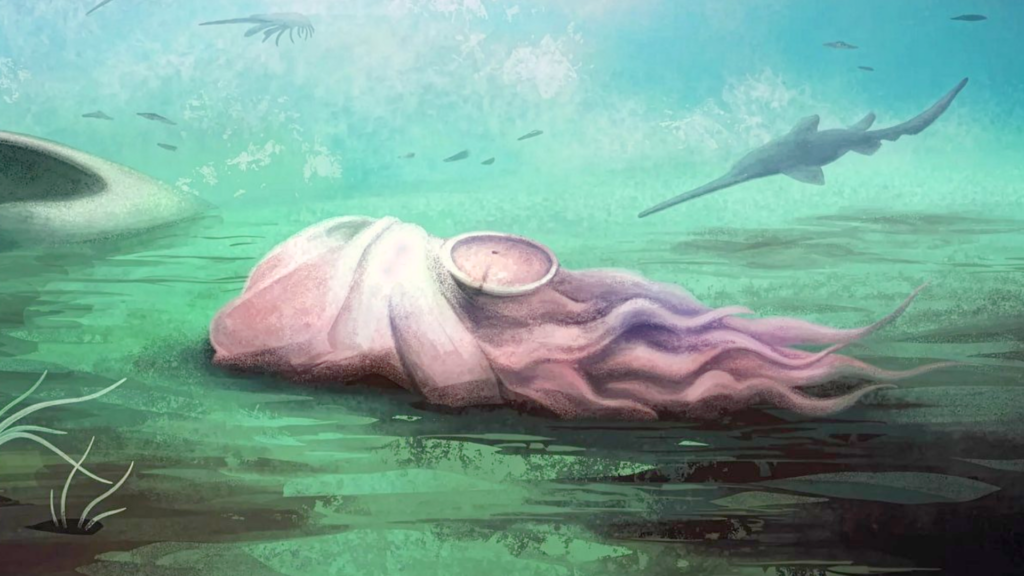
For years, a mysterious 300-million-year-old fossil was believed to be the oldest known octopus, earning global recognition and even a place in record books. But new research has completely overturned that assumption, revealing that the creature was never an octopus at all. Scientists using advanced imaging techniques uncovered hidden anatomical features that tell a very different story about its identity. This surprising discovery is now reshaping what we know about the evolution of octopuses.
The Fossil That Fooled Scientists for Decades
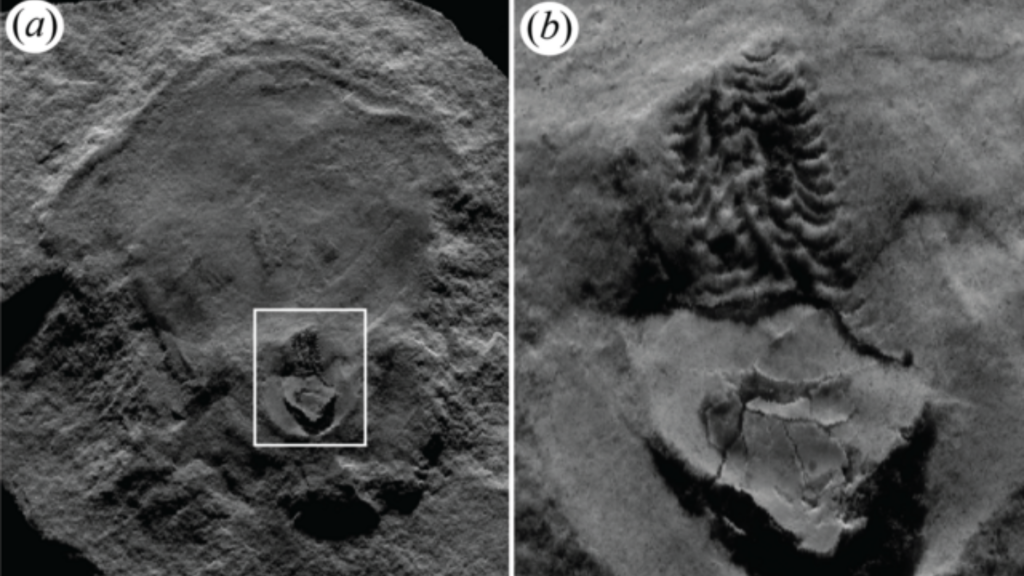
The fossil, known as Pohlsepia mazonensis, was first identified in 2000 and quickly became famous as the oldest octopus ever discovered. Its soft, rounded shape and tentacle-like features led researchers to classify it as an early octopus ancestor. Because of its age, it appeared to push the origins of octopuses back hundreds of millions of years. However, its unusual preservation left many unanswered questions from the beginning.
New Technology Reveals Hidden Details
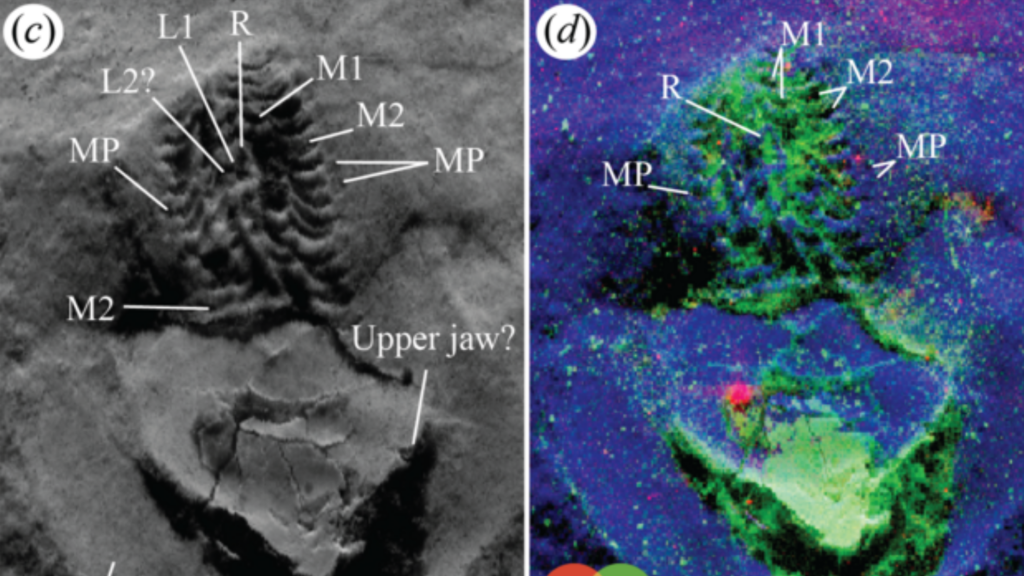
Using advanced synchrotron imaging and high-resolution scanning, scientists were able to peer inside the fossil without damaging it. These techniques revealed internal structures that had never been seen before, including details of the creature’s feeding apparatus. The new data provided crucial evidence that earlier researchers simply could not access. This technological breakthrough played a key role in correcting the fossil’s identity.
Not an Octopus, But a Nautilus Relative

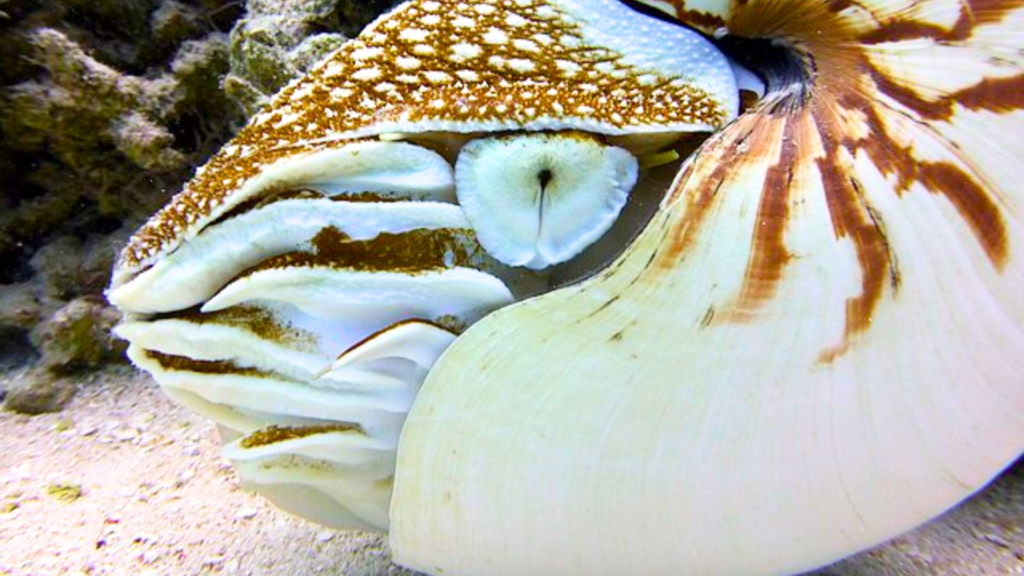
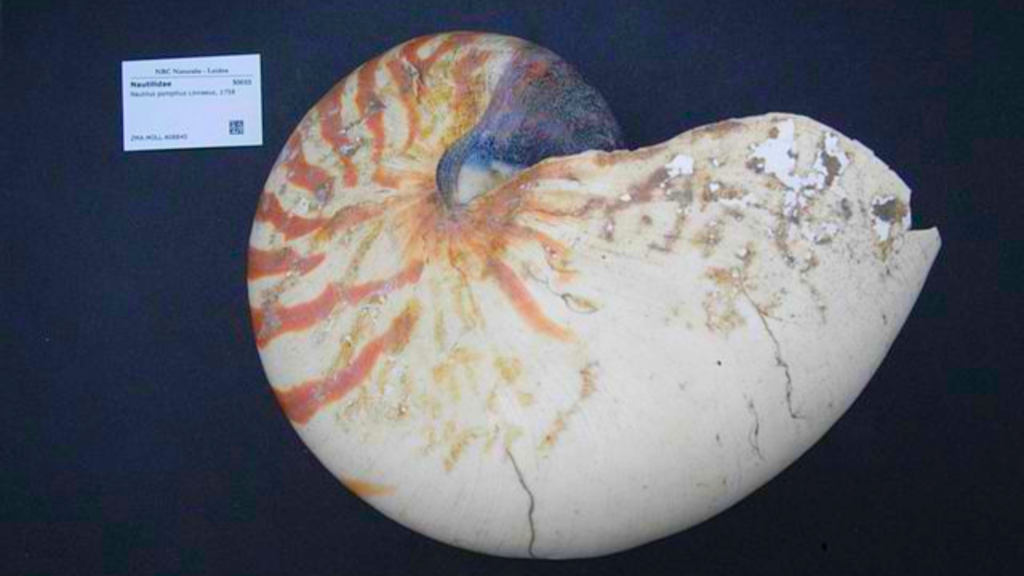
The analysis showed that the fossil actually belongs to a nautiloid, a group of marine animals related to today’s nautilus rather than octopuses. Unlike octopuses, nautiloids typically have external shells and different anatomical features. The fossil likely lost its shell before fossilization, which made it appear more like a soft-bodied octopus. This misidentification persisted for decades until the new evidence emerged.
The Clue Hidden in Tiny Teeth
One of the most important clues came from the fossil’s radula, a feeding structure that contains rows of tiny teeth. Scientists discovered that the fossil had 11 teeth per row, which does not match octopus anatomy. Octopuses typically have fewer teeth, making this feature a clear sign that the creature belonged to a different group. This small but critical detail helped solve a long-standing scientific mystery.
How the Mistake Happened
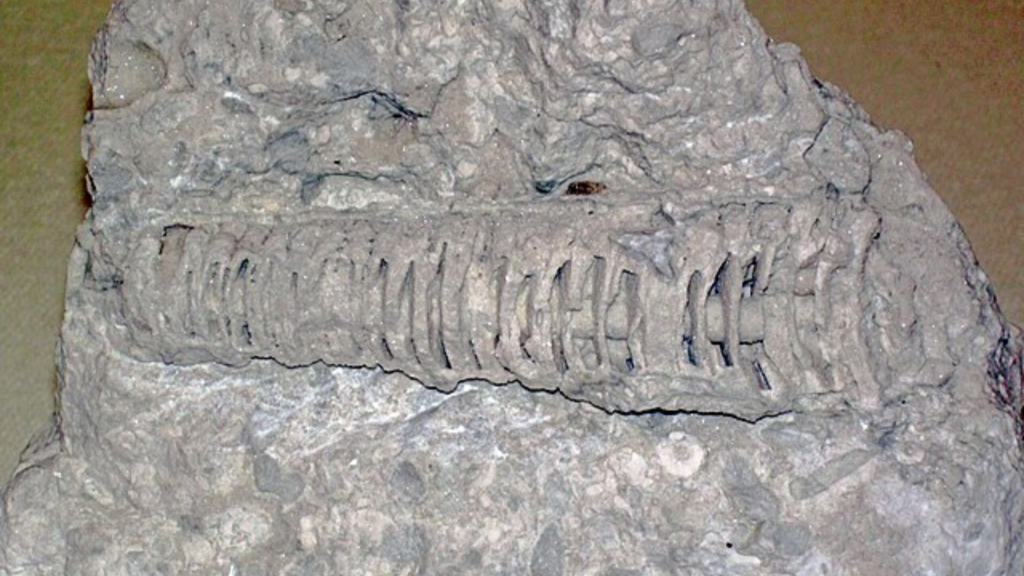
The original misidentification likely occurred because the creature’s shell decomposed before it was fossilized, leaving behind only soft tissue impressions. Without the shell, the fossil appeared similar to deep-sea octopuses, leading researchers to draw the wrong conclusion. Fossils from the Mazon Creek site are known for preserving soft tissues in unusual ways, which can sometimes make interpretation difficult. This case highlights how incomplete evidence can lead to decades of misunderstanding.
What This Means for Octopus Evolution
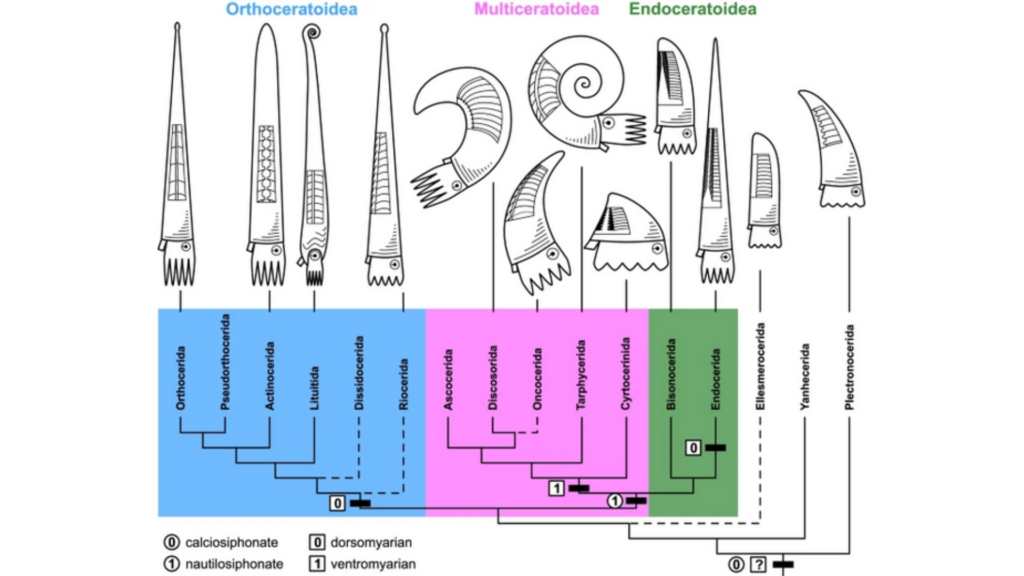
The reclassification means that octopuses likely evolved much later than previously thought, shifting their timeline forward by millions of years. The fossil had once suggested that octopuses existed far earlier in Earth’s history, but that theory is now being reconsidered. Scientists will need to revise the cephalopod family tree to reflect this updated understanding. This discovery significantly changes how researchers view the origins of these intelligent marine animals.
A Rare Glimpse of Ancient Marine Life
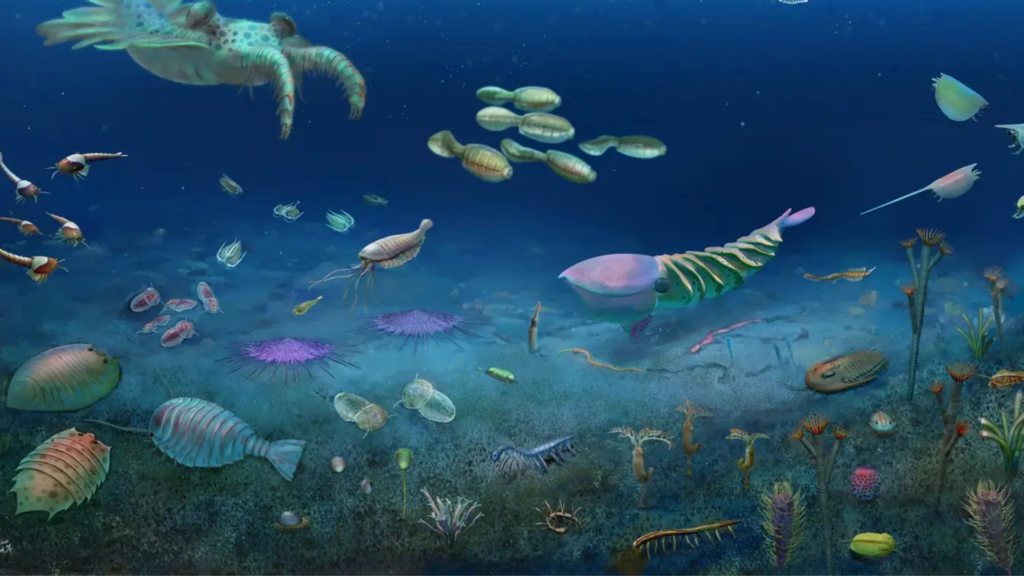
Even though it is no longer considered an octopus, the fossil remains incredibly important because it represents one of the oldest known examples of soft tissue preservation in a nautiloid. Such fossils are extremely rare and provide valuable insight into ancient marine ecosystems. The discovery offers scientists a clearer picture of life in Earth’s oceans hundreds of millions of years ago. It also highlights how much there is still to learn from fossil records.
Science Is Always Evolving
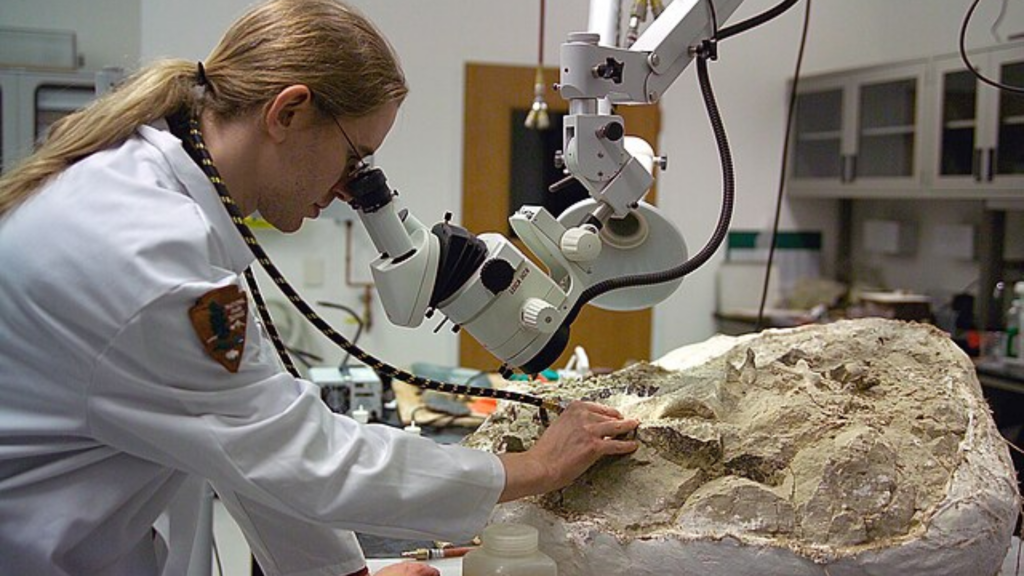
This discovery is a reminder that science is constantly evolving as new tools and techniques become available. What was once considered a landmark finding can be reinterpreted with better evidence and improved technology. Researchers emphasize that correcting mistakes is a normal and important part of scientific progress. Each new discovery helps refine our understanding of the natural world.
A Case of Mistaken Identity Rewritten
The fossil once celebrated as the world’s oldest octopus has now been reclassified, proving that even well-accepted scientific conclusions can change over time. While the creature lost its title, it gained new importance as a rare example of ancient nautiloid life. This case underscores the importance of continued research and technological advancement in uncovering Earth’s history. In the end, the discovery tells a deeper story about how science corrects itself and moves forward.