


Reports released at the start of 2026 paint a narrow picture of where wildlife now stands. Species that once blended into everyday surroundings now surface only through monitoring reports and rescue programs. That reality sets the tone for a new watch list compiled by Fauna and Flora International. The list does not rely on spectacle. Instead, it reflects how pressure builds quietly over the years before reaching a visible breaking point.
That pressure shows up across forests, rivers, coastlines, and island habitats already strained by human activity. As conservation teams track population data, patterns begin to repeat. Numbers fall. Ranges shrink. Sightings turn rare. Each update adds weight to the last, creating a chain of warning signs that no longer feel distant. With 2030 approaching as a marker for global nature goals, those signs now land closer to home.
Against that backdrop, scientists have identified 10 species entering 2026 under extreme strain. The selection ranges from familiar animals to species that few people ever expect to encounter. Their situations differ, yet the drivers behind their decline overlap enough to tell a single story. Habitat loss, trade, and climate pressure connect each case in subtle ways.
Shared Pressures Driving Species Decline
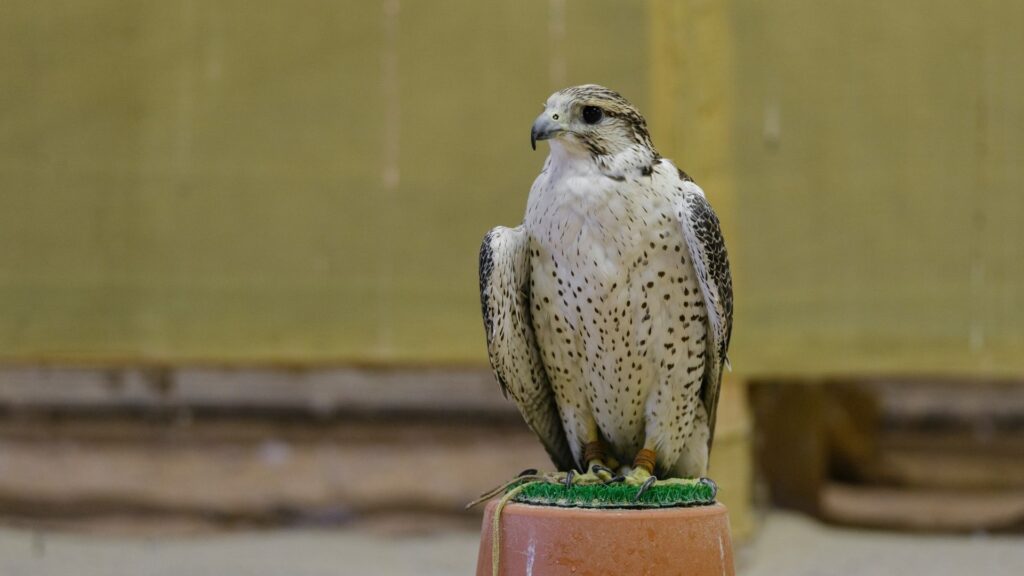
Across the species highlighted for 2026, the same pressures surface again and again. Habitat loss appears first, often through deforestation, coastal development, or mangrove clearing. As land use tightens, living space contracts, which then limits breeding and feeding ranges. Over time, that restriction leaves populations thinner and more exposed to outside stress.
As habitats narrow, trade pressure often follows. Illegal capture for pets, meat, scales, or ornamental parts removes animals faster than populations can recover. That pattern shows up in spiders prized for color, pangolins targeted for scales, and birds taken for falconry. At the same time, fishing pressure continues to drain marine and freshwater species already facing polluted waterways. Each extraction compounds the last, making recovery slower with every passing year.
Alongside those forces, climate patterns add another layer of strain. Rising temperatures alter rivers, forests, and coastlines that species depend on. As conditions change, migration routes break down and food sources thin out. In response, conservation groups track these overlapping threats closely, knowing each factor feeds into the next as 2026 approaches.
Where Conservation Efforts Concentrate in 2026
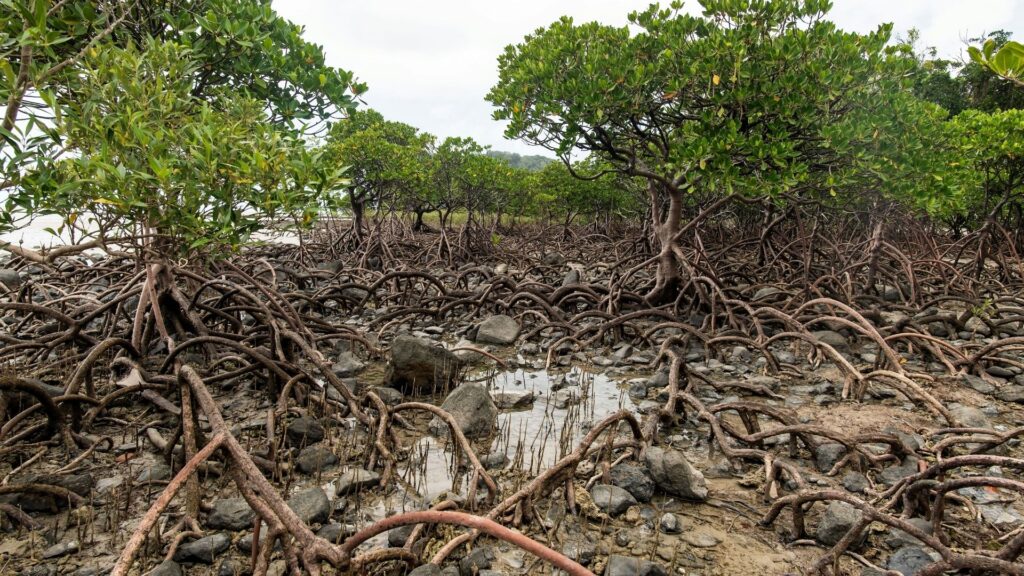
Conservation work tied to the 2026 watch list centers on places where species still hold fragile ground. That focus begins with habitats that remain intact enough to support recovery. Mangrove forests, protected rivers, and isolated mountain ranges receive steady attention. From there, teams concentrate on keeping those areas connected so populations don’t become cut off from one another.
Alongside habitat protection, monitoring takes a more active form. Researchers track population counts through field surveys, tagging programs, and freshwater sampling. Those efforts then feed into targeted action plans designed around each species’ remaining range. In some cases, that means restoring breeding sites. In others, it involves limiting fishing pressure or tracking illegal trade routes that drain numbers quietly.
Community involvement follows closely behind scientific work. Local patrols, education programs, and rescue clinics form part of daily conservation activity. That approach allows residents to protect species living near farms, coastlines, and villages. At the same time, international groups coordinate data sharing across borders. Together, those efforts shape where attention lands in 2026, guided by the places where intervention still holds measurable ground.
The Ten Names That Define the Watch List

Fauna and Flora International’s 2026 Species to Watch list puts ten names in plain view. European eel sits beside the Cao-vit gibbon, then the psychedelic earth tiger, known as the Indian rainbow tarantula. Blackchin guitarfish follows, and Temminick’s pangolin stays close behind.
Saker falcon appears next, and then clouded leopard enters the same line of concern. The Utila spiny-tailed iguana brings the focus to the mangrove habitat, which then leads to the Saint Lucia fer de lance. Wild tulips close the list, and that final entry keeps the focus on plants as well as animals.
Each species faces its own set of pressures, so the responses also stay specific. Research surveys, population counts, protected areas, rescue clinics, and community patrols show up as practical answers tied to real places. As those efforts continue through 2026, the list gives scientists a clear set of species to track, and it also gives readers ten names to recognize when the next update arrives.