
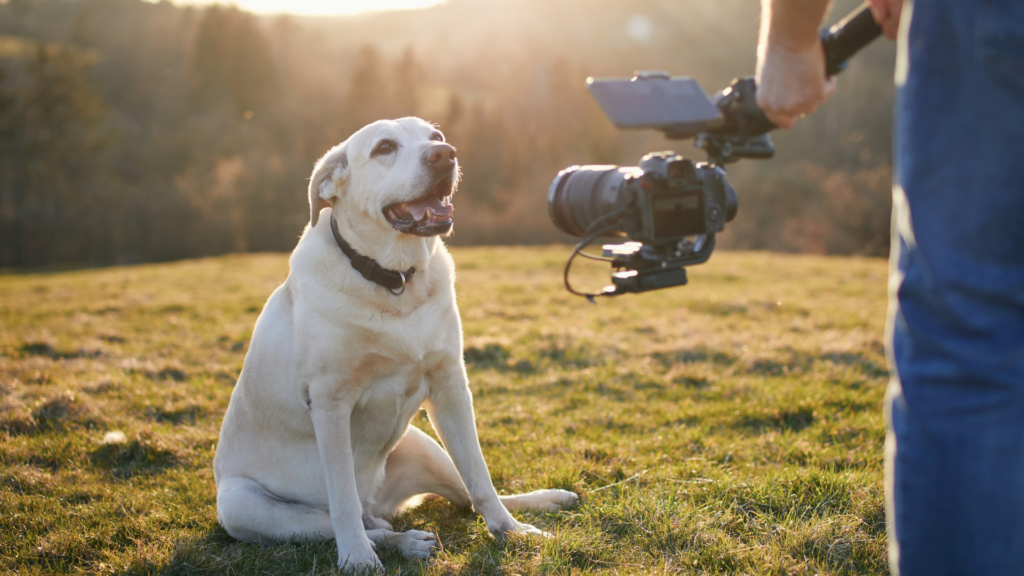
A growing wave of digital innovation is transforming Hollywood productions, and one of the most unexpected casualties is the traditional animal actor. Filmmakers are increasingly turning to computer-generated imagery (CGI), artificial intelligence, and advanced visual effects to create realistic animals without using live ones on set. This shift is reshaping how stories are told on screen and reducing the need for trained animal performers.
Industry reports suggest that studios are adopting digital animals because they are easier to control, safer to produce, and often more cost-efficient than working with live creatures. Advances in CGI have made it possible to render highly realistic animal performances that can interact seamlessly with human actors. As a result, many productions are phasing out real animals in favor of virtual alternatives.
The trend has been building for years, but recent improvements in AI tools and motion simulation have accelerated the change. Even complex animal behavior can now be generated digitally, allowing filmmakers greater creative freedom without the logistical challenges of live animal training. This marks a major turning point for an industry that has long relied on animal actors for authenticity.
Why Animal Actors Are Disappearing from Sets
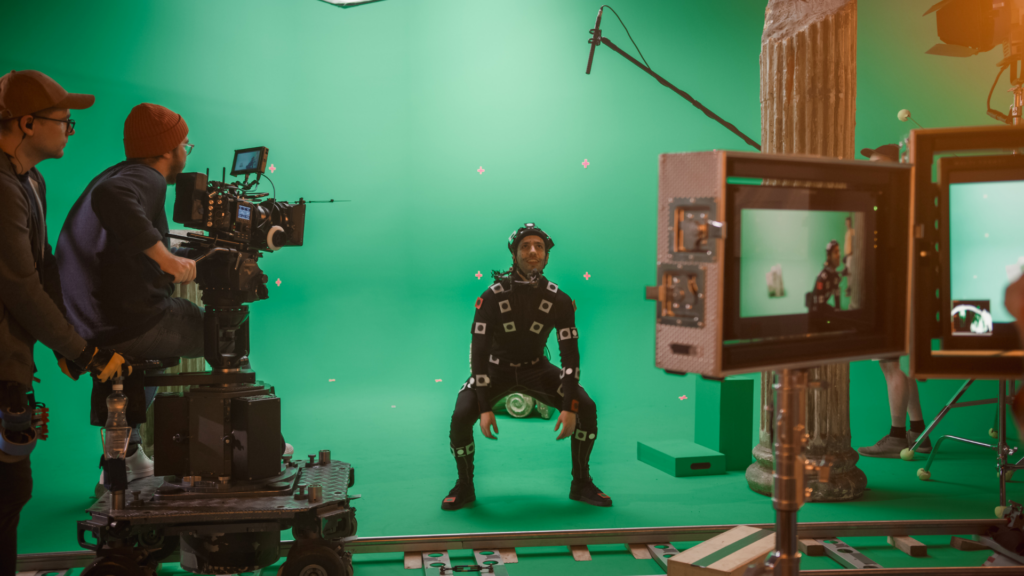
One of the biggest reasons for the decline of animal actors is the rapid improvement in visual effects technology. CGI animals can now be designed with highly detailed movement and expression, making them nearly indistinguishable from real animals on screen. This reduces the need to transport, train, and manage live animals during production.
There are also ethical concerns driving the shift, as animal welfare organizations have long criticized the use of live animals in entertainment. Productions using animals often require strict handling conditions, and even well-trained animals can behave unpredictably on set. Digital alternatives remove many of these risks while avoiding potential welfare issues entirely.
At the same time, the economics of filmmaking are changing. While high-end CGI can be expensive, it eliminates ongoing costs tied to animal trainers, safety protocols, and specialized handlers. For many studios, digital animals offer a more scalable and flexible solution for modern production demands.
How Technology Is Replacing Real Animals
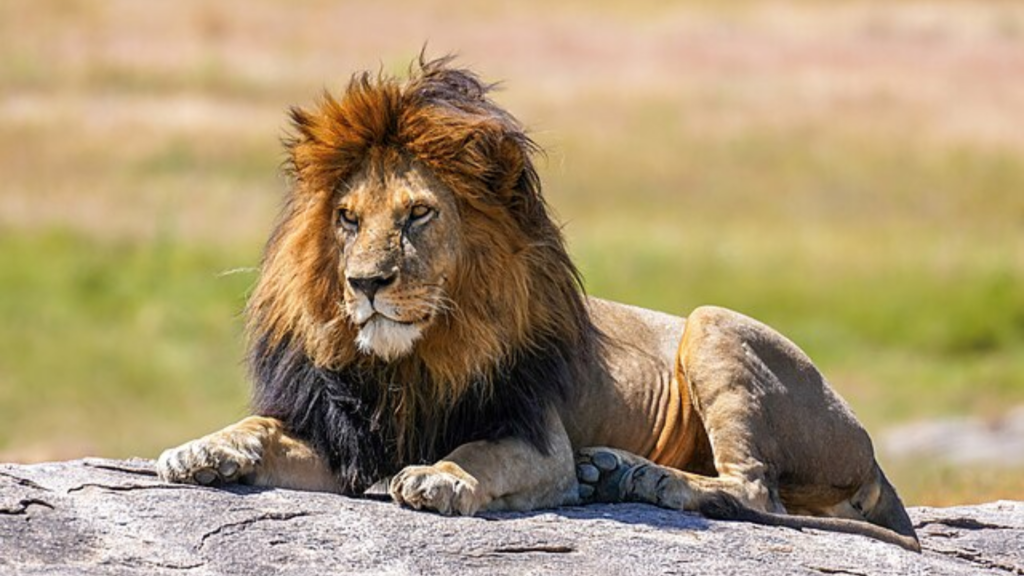
Modern filmmaking increasingly blends live-action footage with digitally created animals that are animated in post-production. These virtual creatures can be adjusted, reshot, or redesigned without requiring any changes on a physical set. This flexibility gives directors far more control over the final performance.
AI-driven tools are also improving the realism of animal motion by studying real-world biomechanics and behavior patterns. This allows digital animals to move and react in ways that closely mimic their real-life counterparts. In many cases, audiences may not even notice the difference between real and artificial animals on screen.
As technology continues to evolve, some experts predict that animal actors will be used only in very limited or highly specialized roles. Even then, hybrid productions may combine real animals with digital enhancements to achieve specific visual goals. The overall direction of the industry, however, is clearly moving toward virtual replacements.
A New Era for Hollywood Storytelling
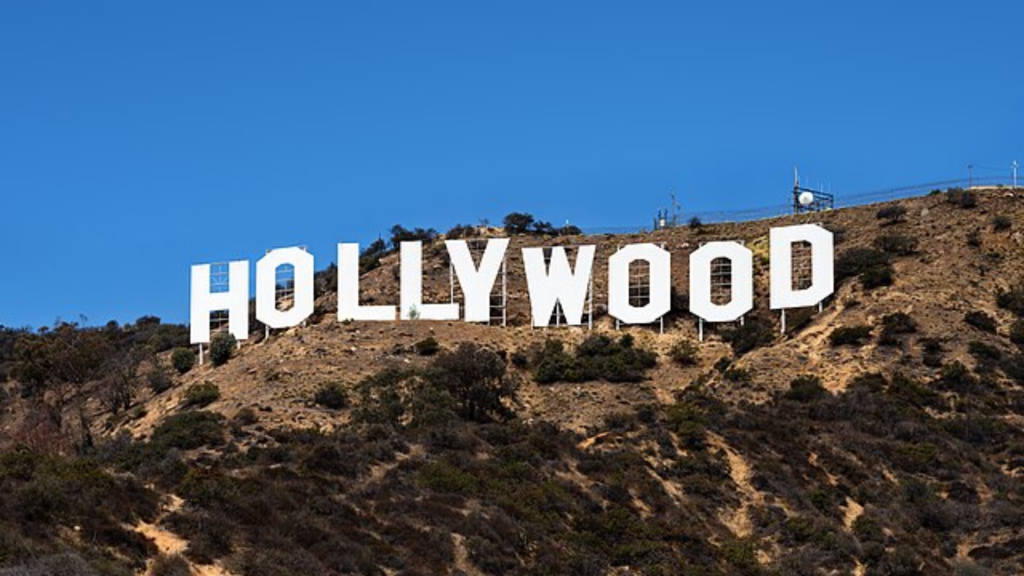
The rise of CGI and AI-driven production tools is fundamentally changing how animals appear in film and television. What was once a staple of Hollywood storytelling is now being replaced by increasingly sophisticated digital alternatives. This shift reflects broader changes in technology, ethics, and production efficiency.
While some filmmakers still value the authenticity of real animal performances, the advantages of virtual creation are becoming harder to ignore. Safer sets, lower logistical complexity, and greater creative control are driving the transition forward. As a result, animal actors are steadily disappearing from mainstream productions.
Ultimately, the high-tech revolution in filmmaking signals a new chapter in visual storytelling. Whether audiences will miss the presence of real animals or embrace their digital replacements remains an open question, but the direction of the industry is already clear.