


When families began scrambling to leave Dubai amid escalating Israel–Iran war tensions in early March 2026, they packed passports, documents, and essentials. But for thousands of pets, there was no seat on the plane.
Animal charities across the UAE say they have seen a sharp rise in abandoned dogs and cats as residents rush to relocate. The Guardian reported that thousands of pets have been left behind as owners struggle to navigate travel restrictions, rising costs, and limited evacuation options. The RSPCA warned that animals risk becoming “hidden victims” of the crisis as people flee uncertainty.
The situation is not isolated to one shelter. Reports from multiple outlets describe overwhelmed rescue groups, full kennels, and volunteers fielding constant calls about abandoned animals wandering streets, tied to lampposts, or left in boxes outside homes. What began as a regional security crisis has quietly turned into an animal welfare emergency.
Shelters Overwhelmed as Cases Surge

On the ground, the impact has been immediate and intense. Six Hounds Animal Sanctuary in Al Ain reported an “alarming increase” in animals abandoned in neighboring cities like Dubai and Abu Dhabi. The founder described being inundated with requests, at one point receiving 27 messages in a single day from people asking her to take in pets before they leave the country.
According to The Economic Times, rescue workers have documented cases of dogs tied up in public spaces, kittens left in crates with handwritten notes, and even reports of pets abandoned in remote desert areas after failed attempts to cross borders. Shelters such as K9 Friends and other volunteer groups say they are struggling to cope with the scale of the surge.
The Mirror also reported that some veterinary clinics have faced inquiries about euthanizing healthy animals because owners felt they could not afford or manage relocation. While many vets reportedly redirect such cases to shelters, those shelters are already at or beyond capacity. For volunteers, the emotional toll is growing alongside the numbers.
Why Owners Say They Cannot Take Their Pets
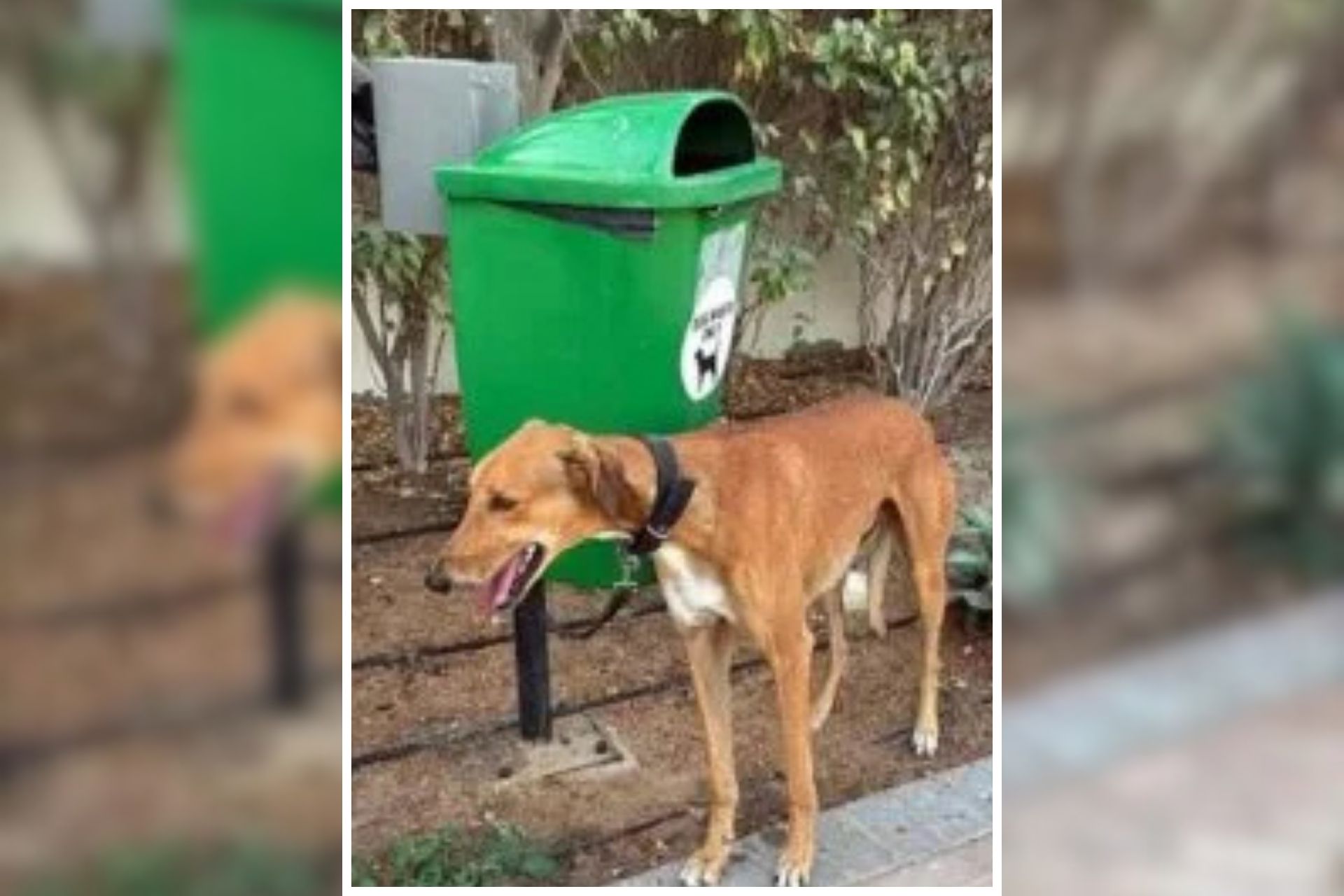
For many families, abandoning a pet is not presented as an easy choice. Instead, it is tied to complex and costly relocation requirements.
Relocating a pet internationally can require a microchip, up-to-date rabies vaccinations, blood tests, health certificates, and import permits. Some destinations also impose waiting periods. For example, travel to the UK requires a wait of about 21 days after rabies vaccination. For India, owners must secure a No Objection Certificate at least 15 days in advance. In a sudden evacuation scenario, those timelines can make immediate travel impossible.
The Economic Times reported that relocation companies saw a massive spike in inquiries, with one firm claiming a 2,000 percent rise in requests within days. However, procedures can take weeks or months, and costs can run into thousands of dollars. With flights reduced and airlines limiting animal transport, many residents say they simply could not make arrangements in time.
Still, animal welfare advocates argue that preparation is part of responsible ownership. As RSPCA representatives noted, pets rely entirely on their families and cannot understand why they are suddenly left behind.
Volunteers Step In, and Authorities Respond

Amid the crisis, grassroots efforts have expanded rapidly. One volunteer-driven initiative, No Pet Left Behind UAE, grew from a WhatsApp group into a network of more than 5,000 residents within days. The group connects fosters, adopters, and relocation helpers, acting as a fast-moving coordination hub rather than a formal charity.
Speaking to Lovin Dubai, the group shares it has successfully rehomed abandoned animals, including a husky and golden retriever found “skinny and scared” in a villa after their owners left. Volunteers emphasize that their work is not meant to make abandonment easier, but to prevent animals from suffering when crises unfold.
Meanwhile, Dubai Municipality has launched 12 AI-powered “Ehsan Stations” across the city to feed stray animals. These devices identify animals and dispense food, offering some relief as shelters struggle with rising intake. Authorities have also reiterated that abandoning pets is illegal in the UAE and can carry significant fines.
Even so, volunteers say feeding stations and temporary foster homes are stopgap measures. The larger question remains how societies can protect dependent animals when geopolitical crises force sudden human displacement. For now, rescuers are urging residents to plan ahead, arrange guardianship if necessary, and remember that pets are not baggage. They are family.