
Cold-weather rescues rarely make headlines until something goes wrong on the road. Early one January morning, a van packed with rescued dogs and cats slid off Interstate 65 in Indiana as temperatures hovered near zero. News spread quickly among local animal welfare workers, and phones started ringing before sunrise. What followed showed how fragile rescue operations can feel during winter transport, and how fast strangers can step in when animals need immediate care.
Rescue Missions From Southeast Kentucky
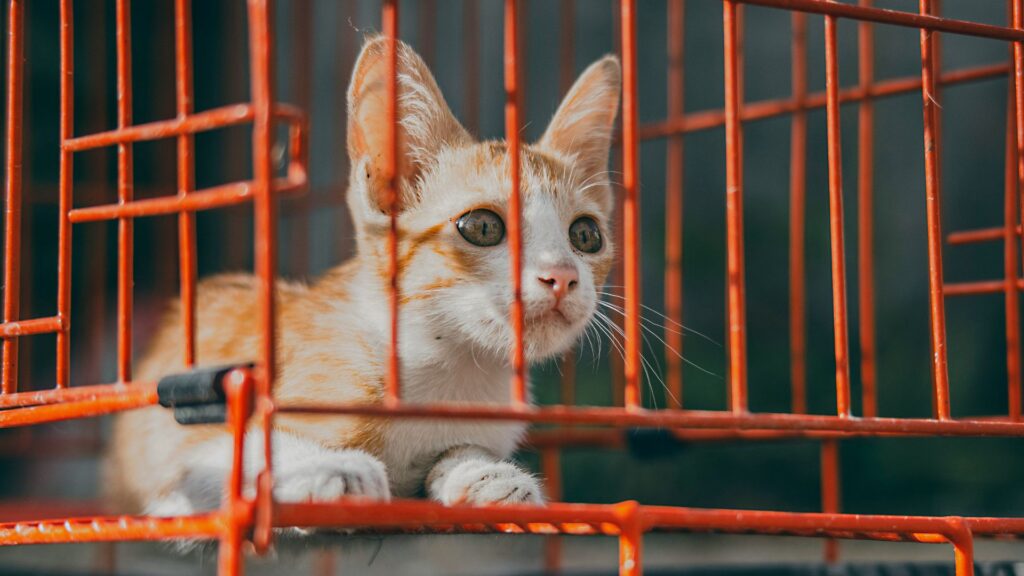
Starfish Animal Rescue regularly travels into southeast Kentucky to transport dogs and cats facing abandonment or euthanasia, and those trips increased as extreme cold settled over the region. Margie Swift said volunteers responded after seeing images of animals that had frozen outdoors, which pushed the group to schedule more frequent transports. As those efforts continued, limited spay and neuter access and overcrowded shelters kept the rescue moving animals north every other weekend.
Extreme Cold And Emergency Transport Decisions
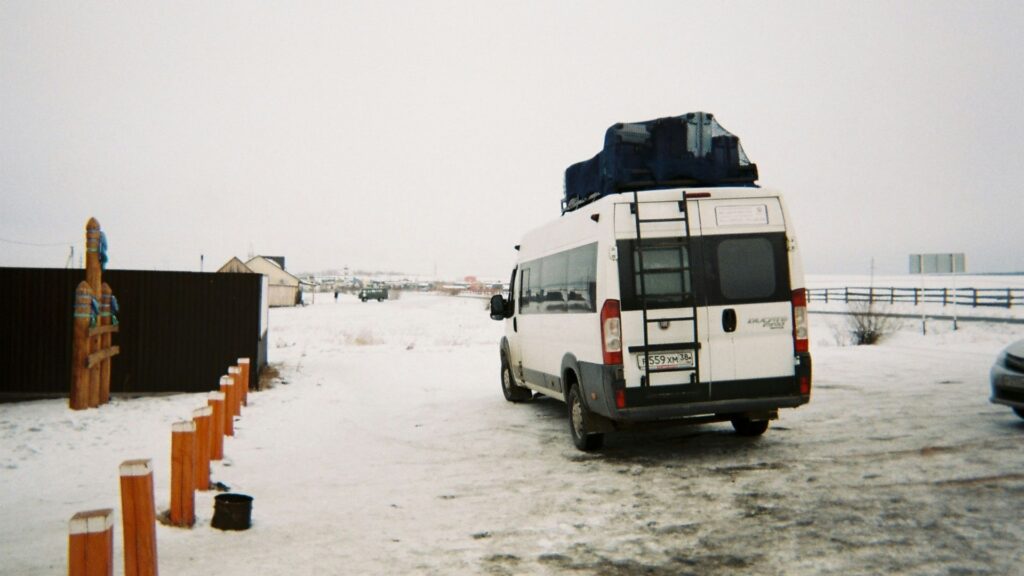
As temperatures dropped to zero degrees, transport planning tightened around timing and capacity, since animals faced exposure during overnight moves. That pressure’s what led crews to load three vehicles and leave before dawn, keeping routes direct to reduce stops. With shelters filled across regions, the rescue kept moving north on schedule, relying on crates, heat, and constant checks to maintain safe conditions during long interstate hours.
Interstate 65 Crash In Early Morning Hours
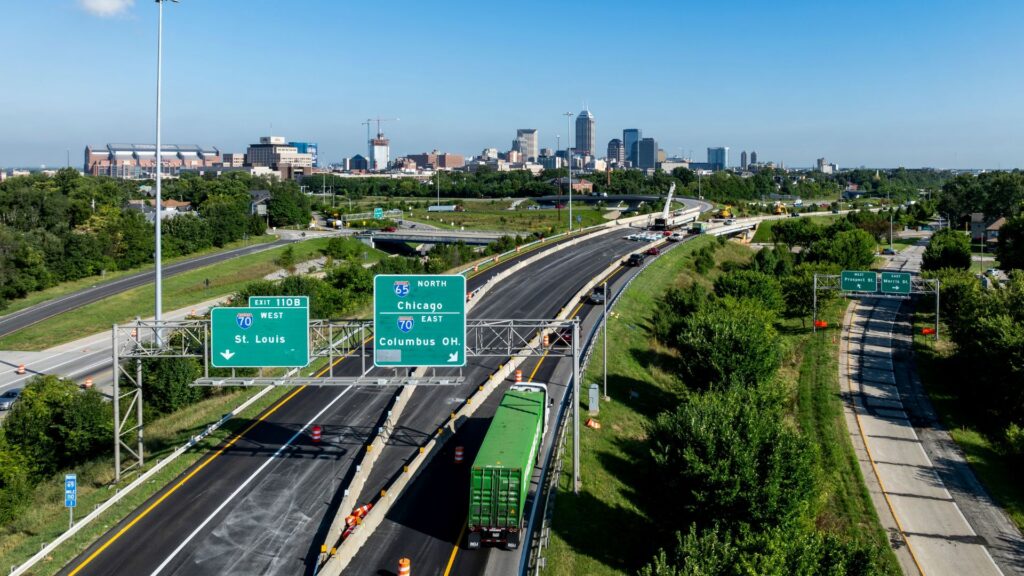
As the transport moved north before sunrise, the Sprinter van entered Interstate 65 near Lafayette around 4:30 a.m., which set the scene for a sudden loss of control. The vehicle left the roadway and traveled down an embankment, then came to rest in a nearby field on its passenger side. At the same time, 60 dogs and three cats remained secured inside crates as emergency calls went out.
63 Animals Survive The Wreck
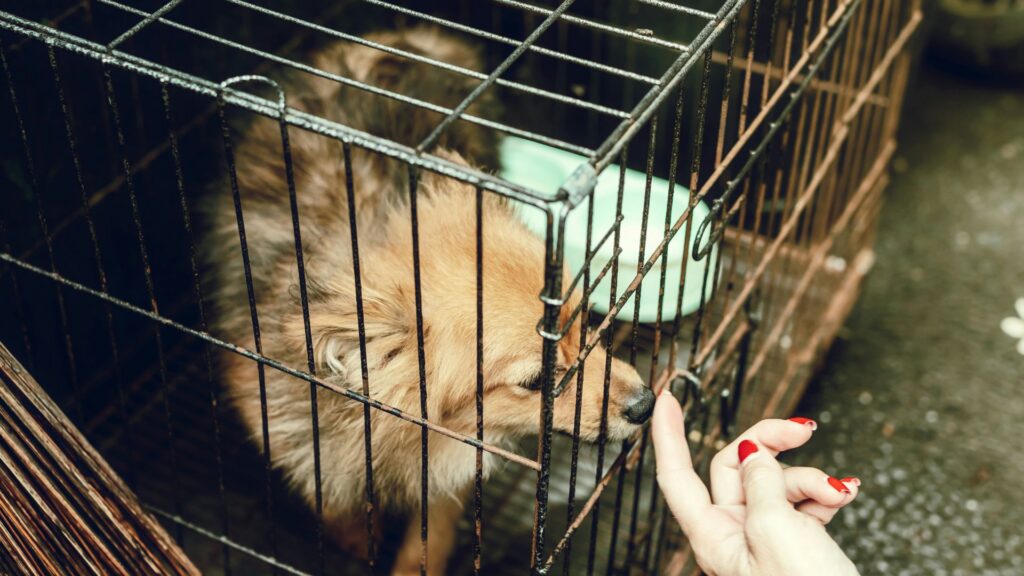
After the van came to rest, attention turned quickly to the animals secured inside, since all 60 dogs and three cats remained contained despite the impact. That outcome became clear as responders assessed crates and checked for visible injuries in freezing conditions. Swift later confirmed that none of the animals or the driver suffered physical harm, which allowed responders to focus on relocation rather than emergency treatment as daylight approached.
Loss Of The Rescue’s Largest Transport Van
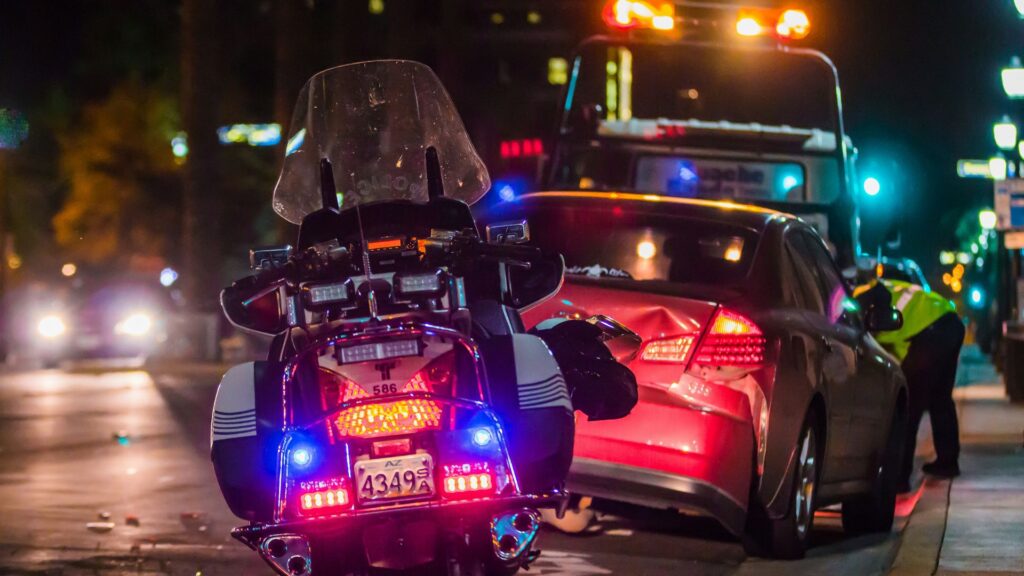
As responders secured the scene, attention turned to the condition of the vehicle itself, since the Sprinter had absorbed the full impact after leaving the roadway. That inspection confirmed the van could not return to service, which immediately reduced Starfish’s transport capacity. With crates damaged during the crash, the organization also faced replacing 25 plastic enclosures, all while continuing scheduled rescue routes that depended on that single vehicle.
Humane Society For Greater Lafayette Steps In
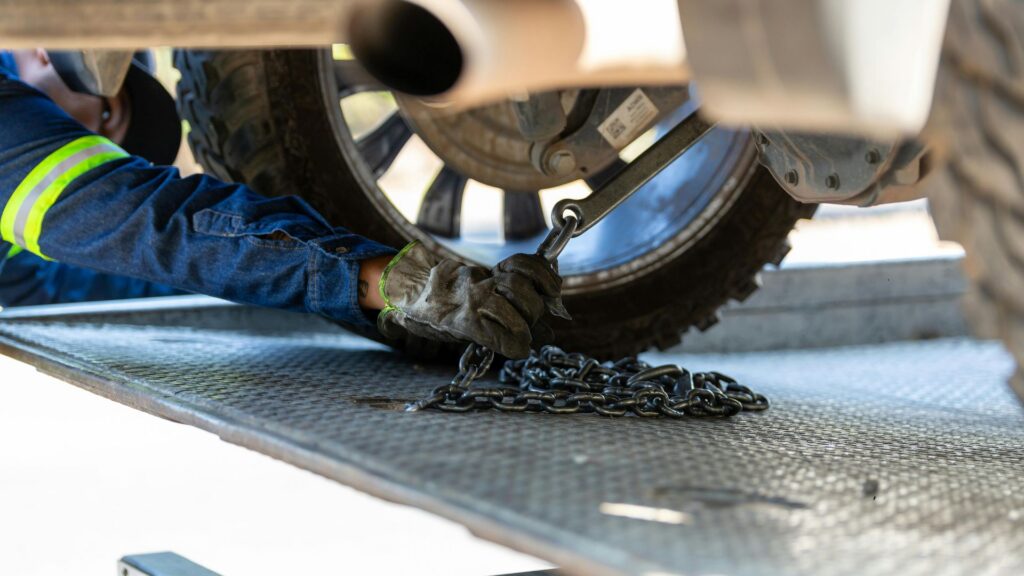
As local agencies received notice of the crash, Lafayette Animal Control contacted the Humane Society for Greater Lafayette, which already works with nearby jurisdictions on animal intake. That coordination led to a tow truck bringing the damaged van to the shelter around 5:20 a.m., where staff prepared space as it arrived. With broken crates limiting options, medical and kennel teams unloaded animals into heated rooms, then supplied replacement crates and blankets as transport plans took shape.
Emergency Care And Temporary Housing For Animals
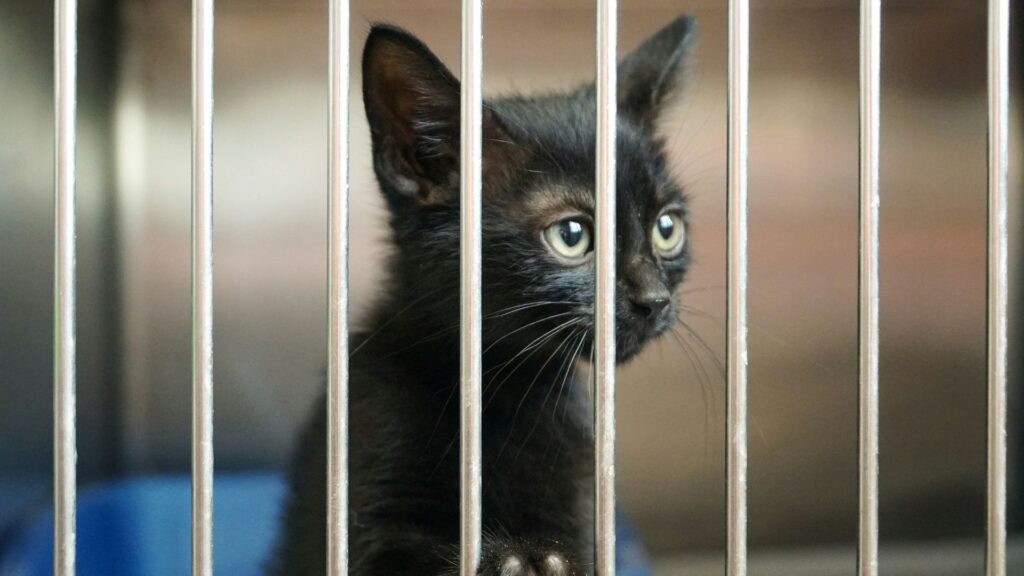
As the van reached the Humane Society facility, staff focused on stabilizing conditions for animals exposed to freezing air during the crash. That work began with unloading each crate and moving dogs and cats into heated indoor spaces, which allowed body temperatures to normalize. Since many crates broke on impact, shelter staff provided replacements and blankets, and as morning progressed, animals remained housed on site until Starfish transport vehicles arrived later that day.
Ongoing Kentucky Rescues And 330 Animals Saved
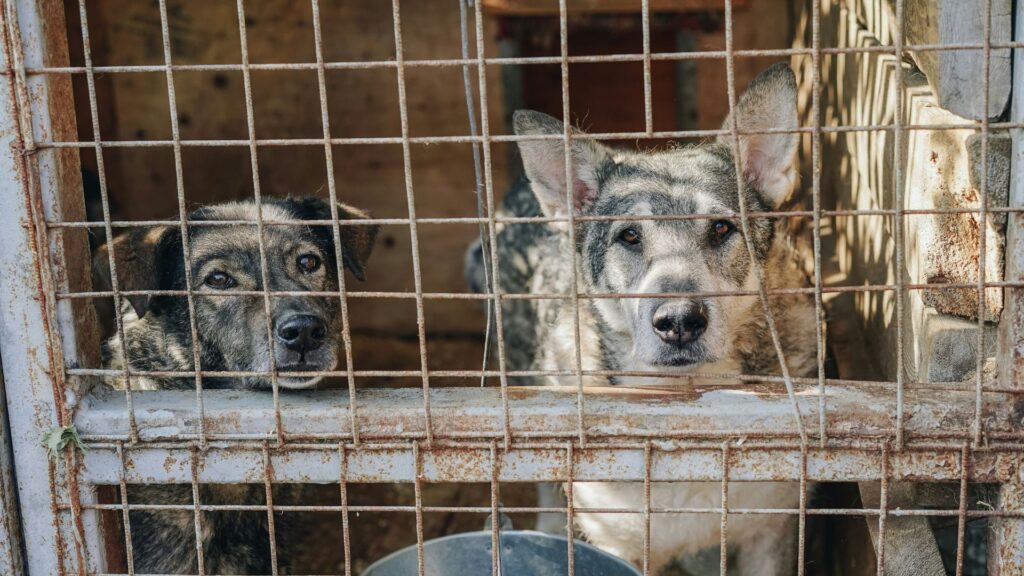
As transports resumed later that day, Starfish Animal Rescue returned its focus to its ongoing work across four Kentucky counties, where regular pickups continue every other weekend. That pace reflects conditions on the ground, since limited spay and neuter access and overcrowded shelters keep intake steady. With the final group collected during the disrupted trip, Swift said the organization has moved 330 dogs and cats so far this year, and planning continues around replacement equipment and future routes.
After The Crash Response Holds
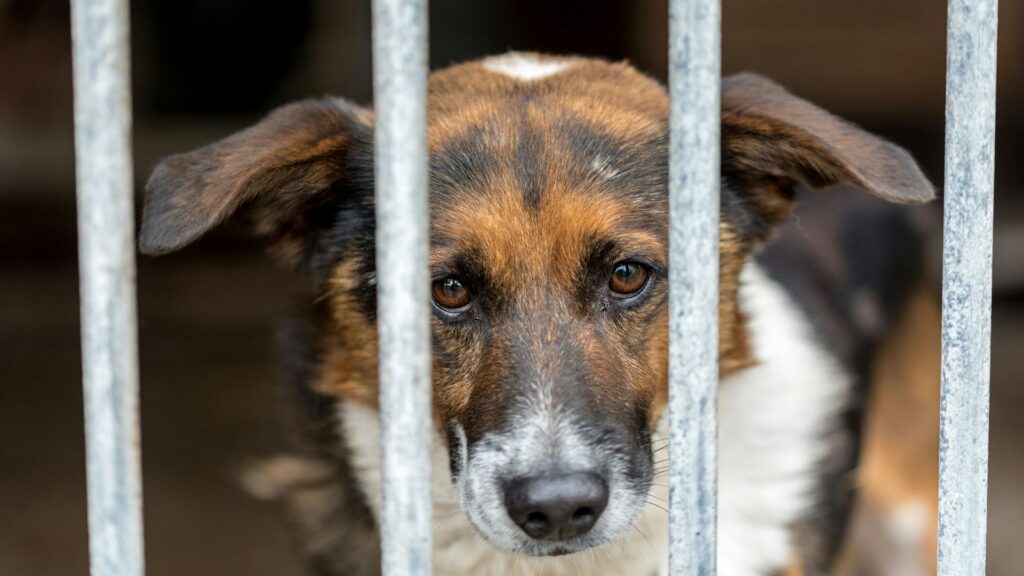
What remains clear after the crash is how quickly systems respond when timing leaves no margin. A rescue effort built on routine suddenly faced interruption, so coordination replaced urgency. Because of that, local agencies acted without delay, which meant animals stayed protected despite damaged equipment. In turn, transport resumed, and records continued to grow. That continuity reflects how structured cooperation functions under pressure, and it shows how outcomes depend on readiness during disruption externally forward.