

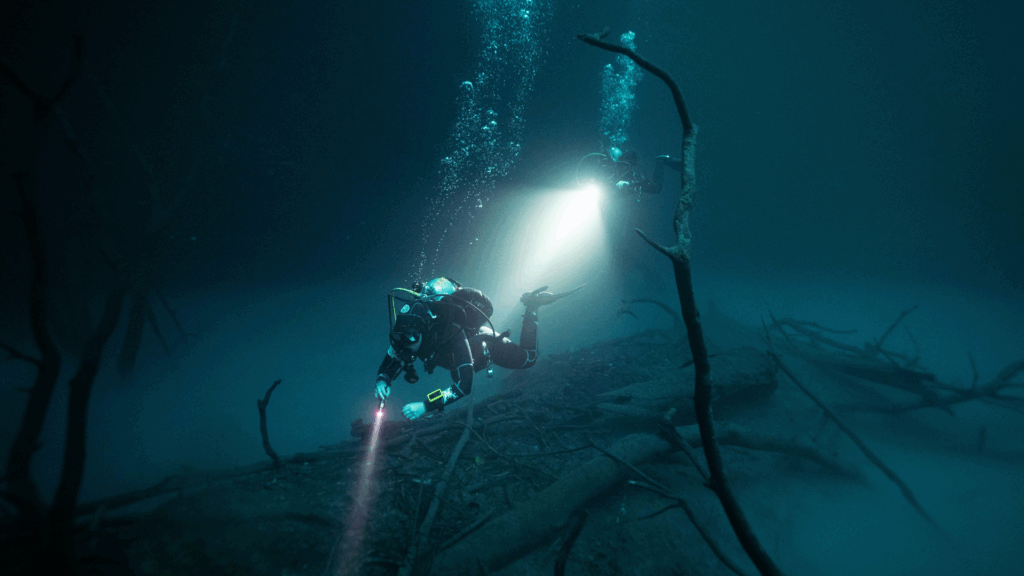
The deepest parts of the ocean hold more than silence and darkness. Scientists recently sent a submersible into trenches over 31,000 feet down and found creatures unlike anything seen before.
Tube worms, clams, and strange white animals live there without sunlight, thriving in ways that seem impossible. These findings give a rare look into a hidden part of Earth few have ever witnessed, showing life in its most unexpected and extreme places.
Ecosystems Powered by Chemical Energy
Sunlight never reaches these depths, so life there runs on a different system. Microbes use chemicals like methane and hydrogen sulfide from the seafloor to make food. That process, called chemosynthesis, feeds the larger animals in the area. Tube worms, clams, and other species rely on it completely. It’s a setup that works without any help from the sun, showing how life can adapt in ways that feel almost hard to believe.
Unseen Biodiversity in the Hadal Zone
The hadal zone is the deepest part of the ocean, and it’s packed with life most people never get to see. Scientists found communities filled with species that might be completely new. Some are small and tucked into the seafloor, while others move slowly through the water. Every new dive into these depths adds more names to the list.
Symbiotic Relationships in Extreme Habitats
Some animals in the deepest trenches have a built-in food source. Tube worms and certain clams carry bacteria inside their bodies. Those bacteria turn chemicals from the seafloor into nutrients the host can use. So the animals don’t have to hunt or search for food at all. It’s a partnership that keeps both alive in places where sunlight never reaches and regular food chains don’t exist.
Reshaping Our Understanding of Life’s Boundaries
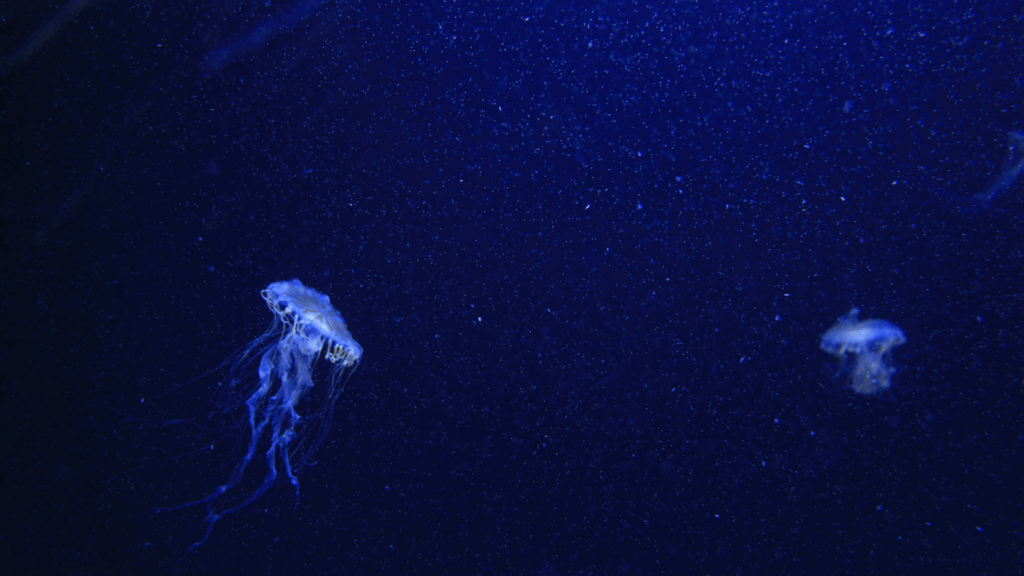
Life in the deepest trenches shows that living things can thrive under pressures and conditions far from what most of us know. Creatures survive without sunlight, feeding off chemical energy and unique partnerships. So it changes how scientists think about where life might exist. It also sparks curiosity about what could be living in other extreme places on Earth and beyond.
Impacts to Deep-Sea Mining
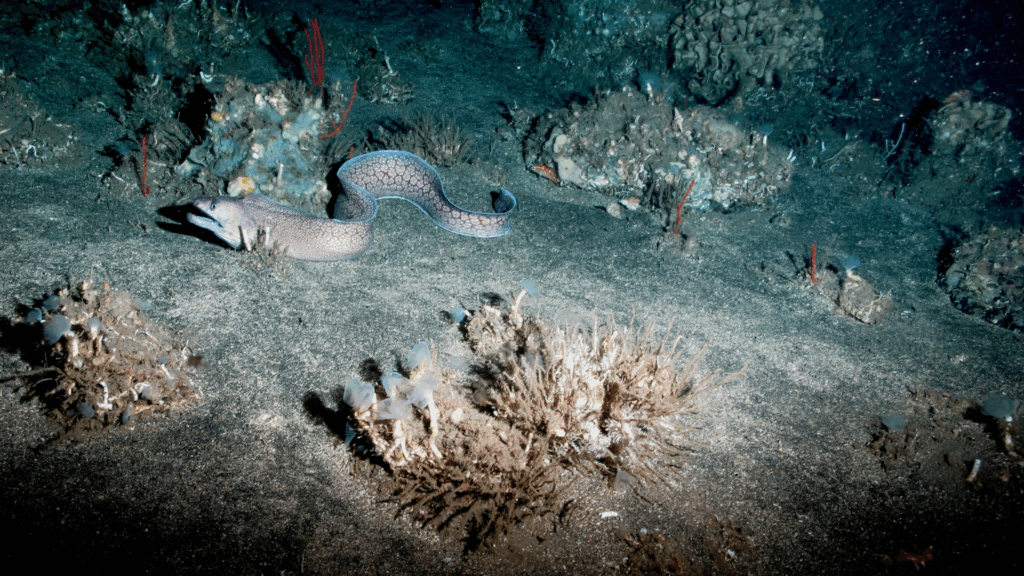
Finding entire communities living in deep trenches has prompted scientists to examine the effects of mining the seafloor. These areas aren’t empty, so disturbing them could wipe out species we’ve barely met. The discovery also adds pressure to study these habitats before any drilling starts. So now, there’s a push to balance resource needs with protecting life that only exists in these extreme places.
Capturing Unseen Life on Camera
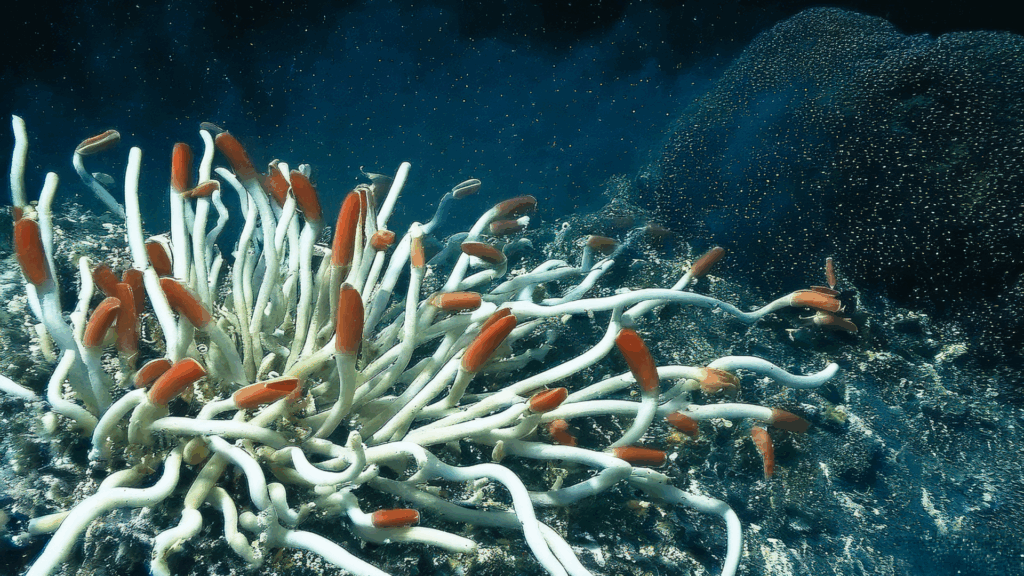
Footage from the deepest trenches shows more than just strange creatures. It records how they move, feed, and live together in complete darkness. Scientists can now watch these moments again and again, studying details that would be impossible to catch in real time. So each frame becomes a new clue about how life works in places most people will never see.