

Dogs communicate through behavior more than words. Below are ten clear, practical things most companions prefer, each explained concisely so you can tune into their needs and strengthen your bond.
Space to decline affection

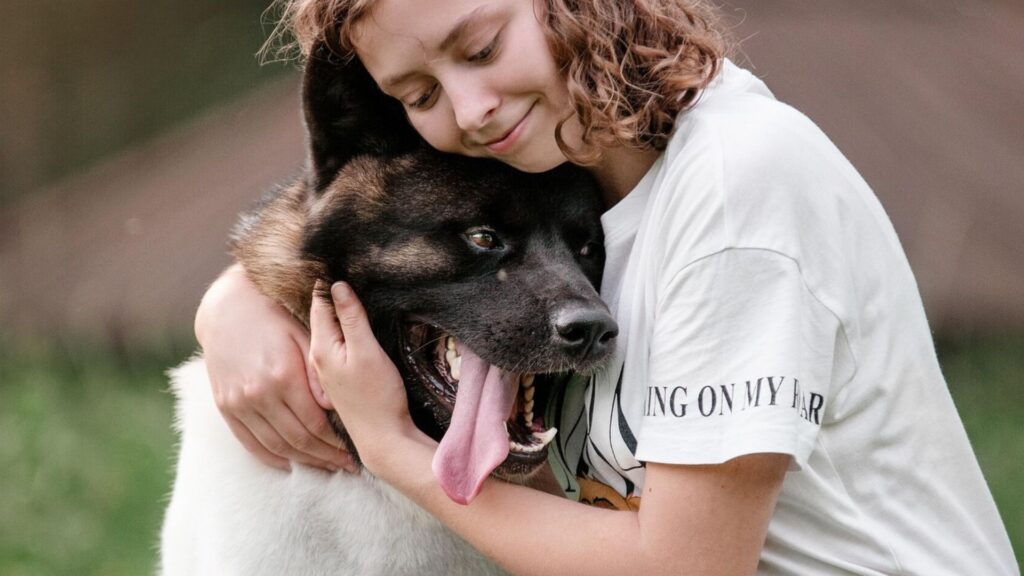
Not every display of closeness feels good to a pup. Firm embraces can make some animals feel trapped rather than comforted; gentle strokes, side-by-side contact, or short pats are usually more welcome. Learn the cues that show comfort versus stress, relaxed posture, and leaning in means yes, stiffening or turning the head means give space.
Your worn clothes as comfort objects
Scent is a primary language for canines, and items carrying your smell are deeply soothing. A T-shirt you’ve worn is often more calming than an expensive toy when separation anxiety hits. Leave a familiar garment when you travel or when they stay in a kennel to reduce stress.
Problems to solve, not just playthings
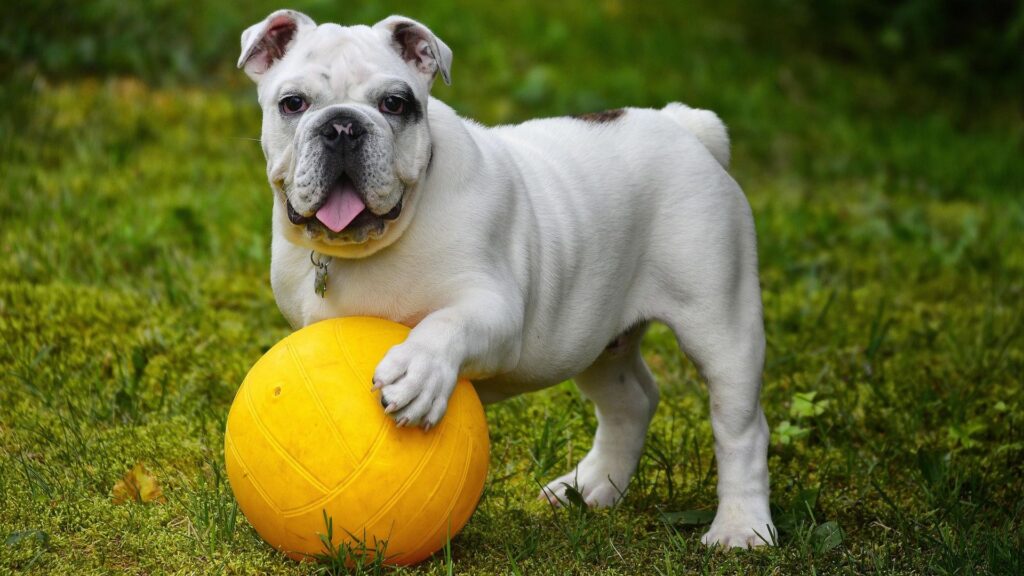
Mental exercise is as important as physical activity. Puzzle feeders, scent games, and rotating interactive toys keep a clever mind engaged and prevent boredom-driven mischief. Think of enrichment as essential daily work for their brain.
Freedom from unnecessary outfits

Most dogs prefer their natural coat; clothes can feel restrictive or odd to them. The main exception is practical protection in extreme cold, thin or tiny breeds benefit from a lightweight coat during freezing weather. Choose function over fashion and watch your companion’s comfort.
Calm chest rubs more often than belly pats
A belly exposed may be a sign of trust or of nervous submission. Many dogs enjoy gentle rubbing on the chest or shoulders more reliably than full belly handling. Only pet the belly when the dog clearly solicits it and appears relaxed.
A peaceful place to recharge

A quiet, undisturbed bed in a low-traffic area is invaluable. Being rudely awakened can produce irritation or defensive reactions, so create a reliable retreat for naps and younger pups in particular. A safe sleeping spot supports emotional balance.
Time to read the neighborhood’s “pee-mail”

Sniffing is how dogs gather information about their world; letting them explore scents on walks is enrichment, communication, and exercise for their brain. Allow leisurely sniff breaks instead of rushing every outing, it’s low-cost stimulation with big mental benefits.
A calm, consistent leader
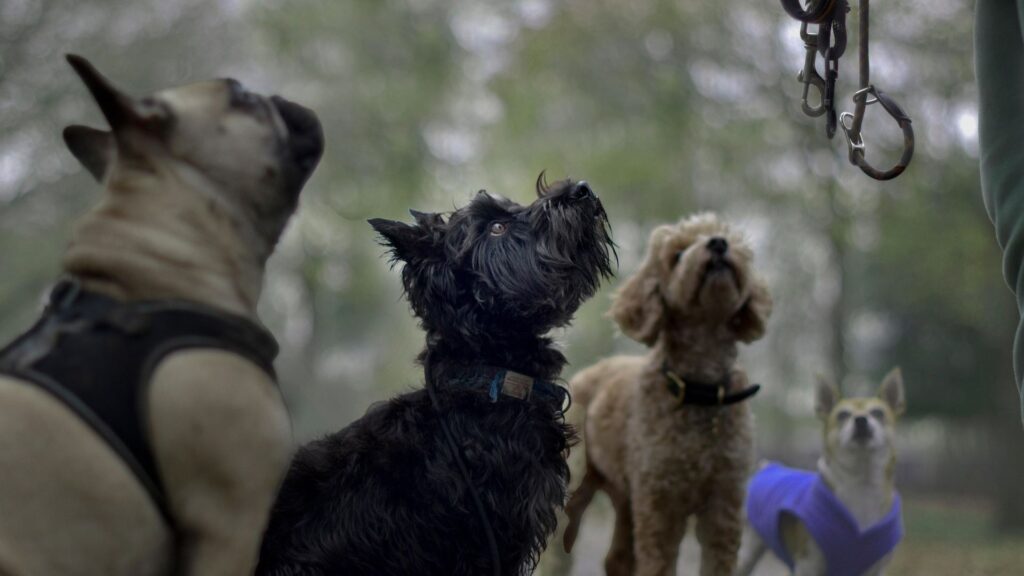
Canines look to their humans for predictable guidance; without it they may attempt to make decisions themselves. Clear rules, gentle boundaries and consistent feedback help a pet feel secure and reduce problem behaviors. Leadership here means steady, caring structure, not dominance.
A dependable daily rhythm

Most companions thrive on predictability: regular wake times, walks, meals, and play signal safety and reduce anxiety. Sudden, frequent schedule changes can trigger chewing, barking or restlessness, so keep core activities consistent and make gradual adjustments when needed.
New friends are introduced on their terms
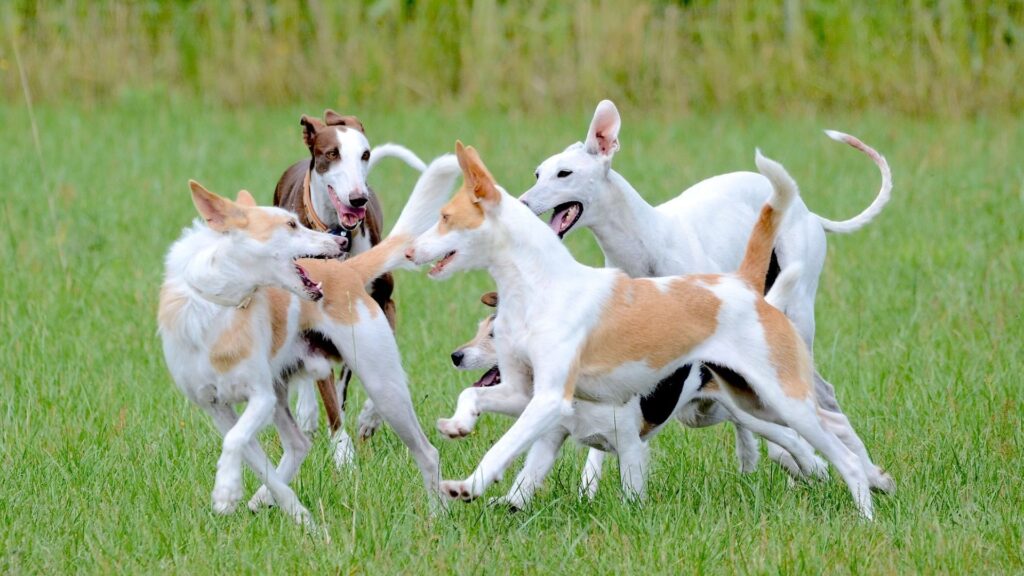
Social encounters are enjoyable when handled thoughtfully. Introduce strangers or other animals slowly, preferably in neutral spaces, and let your companion approach at their own pace. Forcing interactions risks fear or reactivity; calm, staged meetings build confident social skills.