

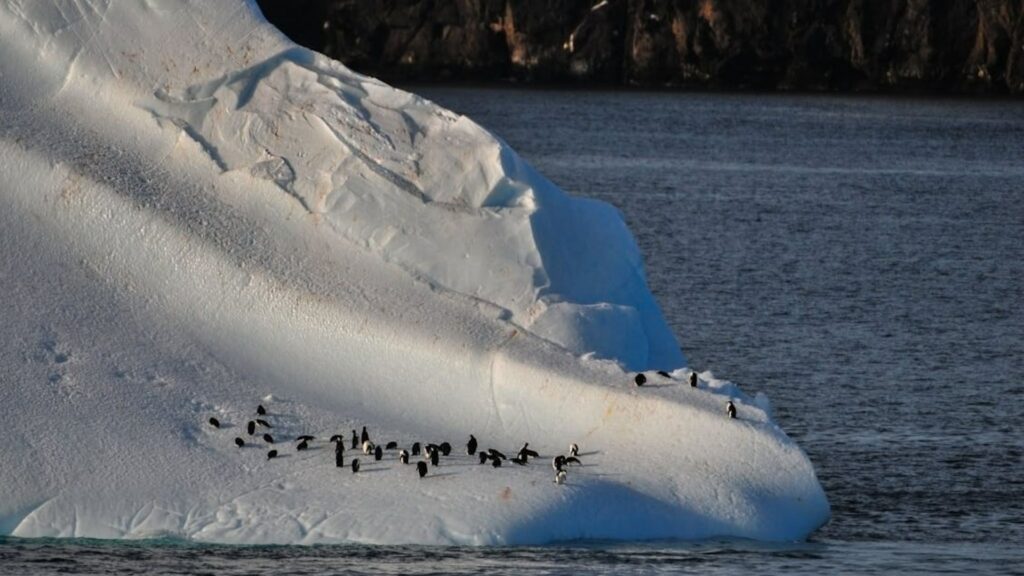
Antarctica may feel distant, but a new international study published in Frontiers in Environmental Science finds that what happens there will reach every coastline, food chain, and weather system on Earth. Researchers modeled three emissions-based futures for the Antarctic Peninsula and concluded that the choices made in the next ten years will determine the region’s trajectory for centuries.
Three Possible Futures, One Deciding Decade
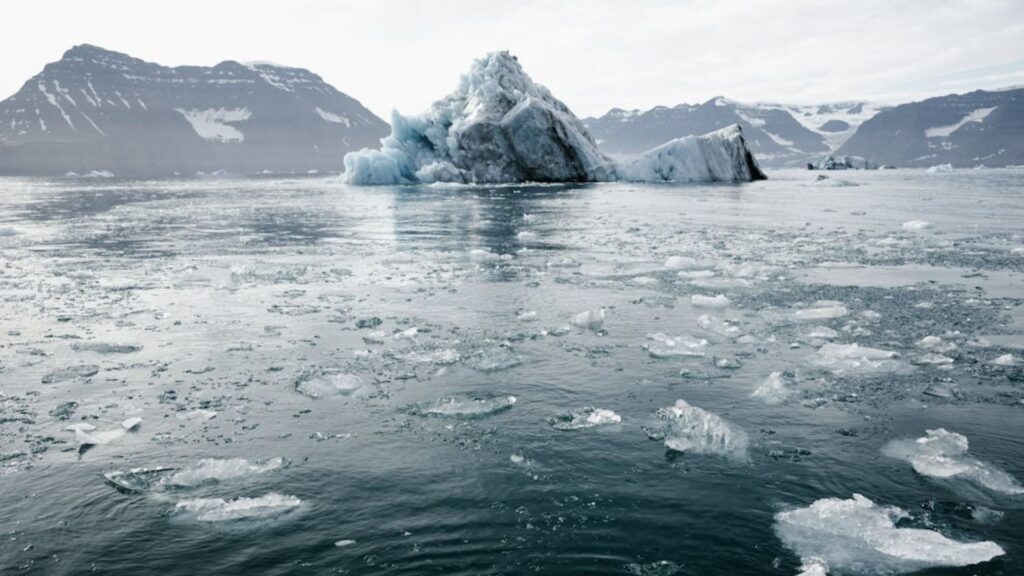
The research team built its projections around three emissions scenarios: a low pathway estimating a 1.8°C temperature rise by 2100, a medium-high pathway at 3.6°C, and a very high pathway reaching 4.4°C. Those scenarios were applied to eight aspects of the Peninsula’s environment, including marine and land ecosystems, sea ice, ice shelves, and extreme weather events. The outcomes across those scenarios vary significantly in scale and permanence.
Ice Shelves Could Cross a Point of No Return
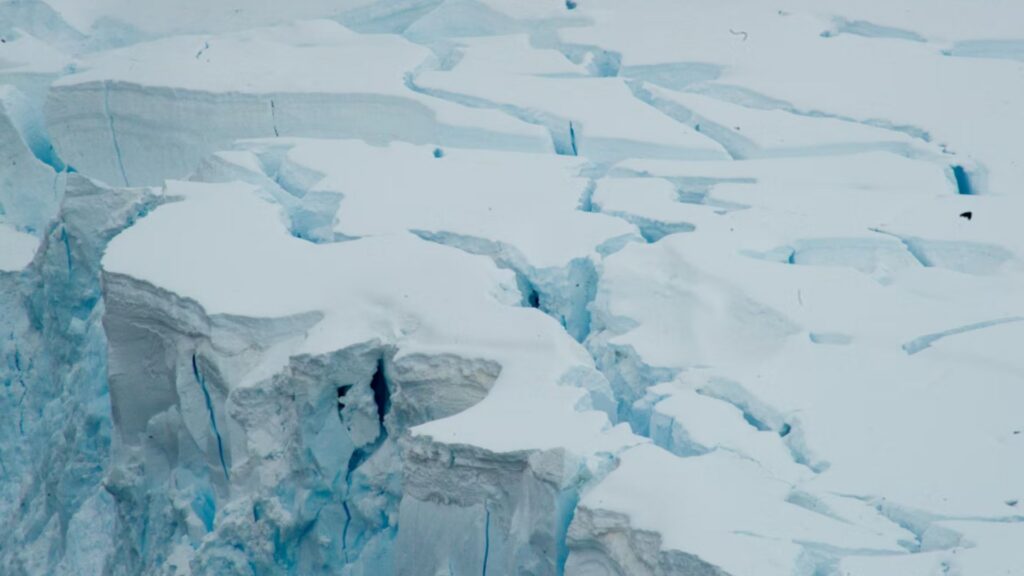
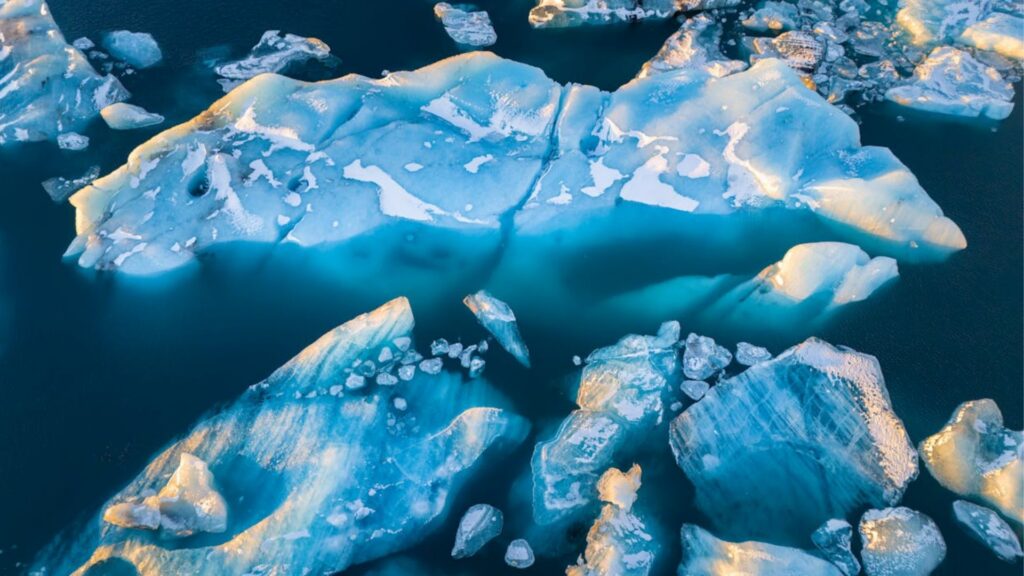
Professor Alison Banwell of Northumbria University’s Centre for Polar Observation and Modelling focused her analysis on the Peninsula’s ice shelves, which act as buffers that hold back land ice from flowing into the sea. She noted they can remain stable for decades before suddenly crossing a structural or climatic threshold and collapsing. Under higher emissions, the study concludes, those thresholds become increasingly likely to be breached before 2100.
A 20% Drop in Sea Ice Would Ripple Through the Food Chain
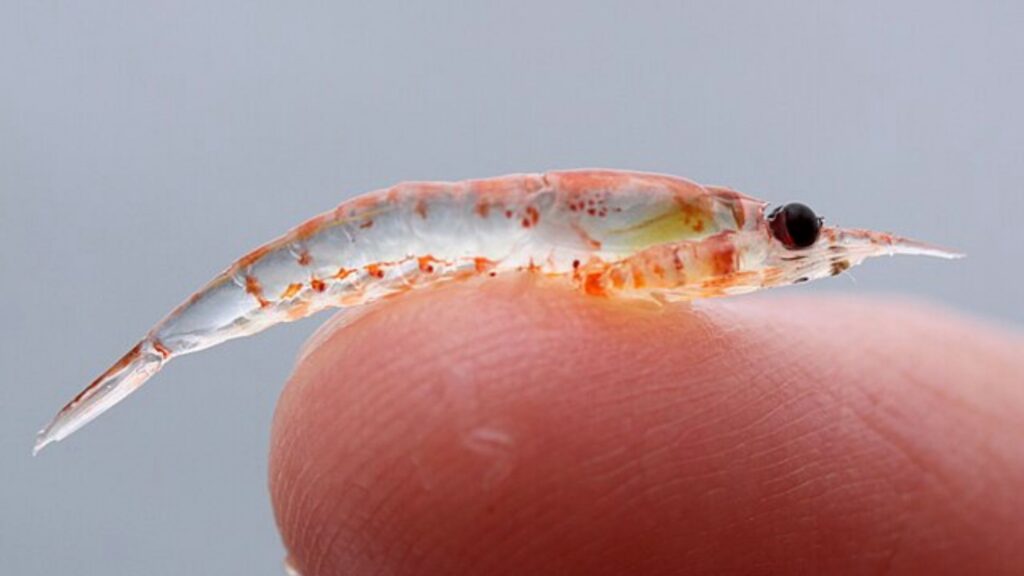
Under the highest emissions scenario, winter sea ice coverage across the region could shrink by 20%. Krill, a cornerstone prey species for whales, penguins, and fish, depends on sea ice for habitat. As krill populations shift and decline, the seafood stocks that millions of people rely on for food and livelihoods would face significant pressure.
Penguins and Predators Face a Survival Mismatch
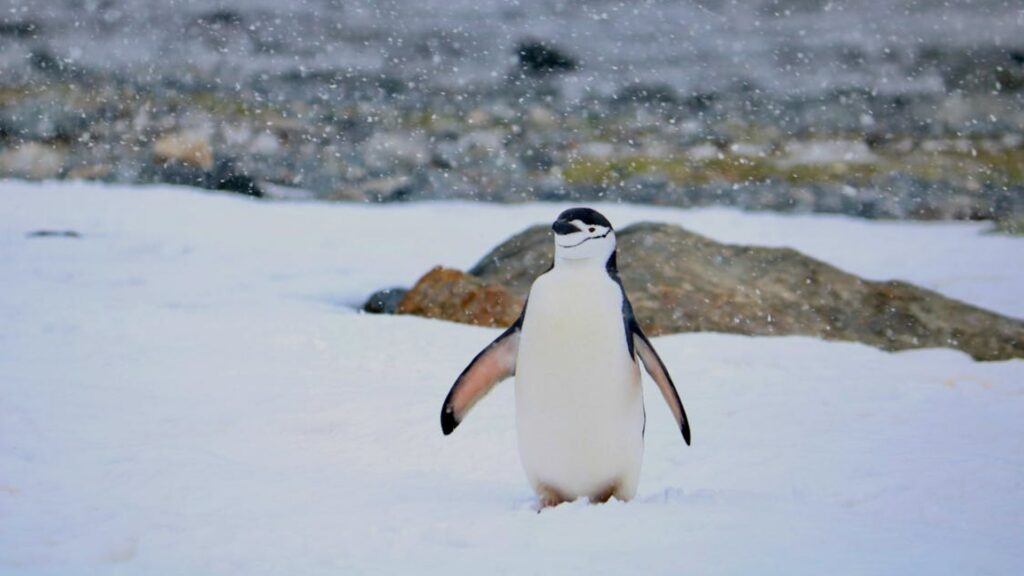
Warm-blooded predators like penguins may be able to tolerate shifting temperatures, but their survival depends on whether their prey can do the same. If food sources move or collapse, predators that can’t follow will starve. Under very high emissions scenarios, the researchers expect many species to push further south in search of survivable conditions.
Sea Level Rise from the Peninsula Alone Could Reach Several Inches
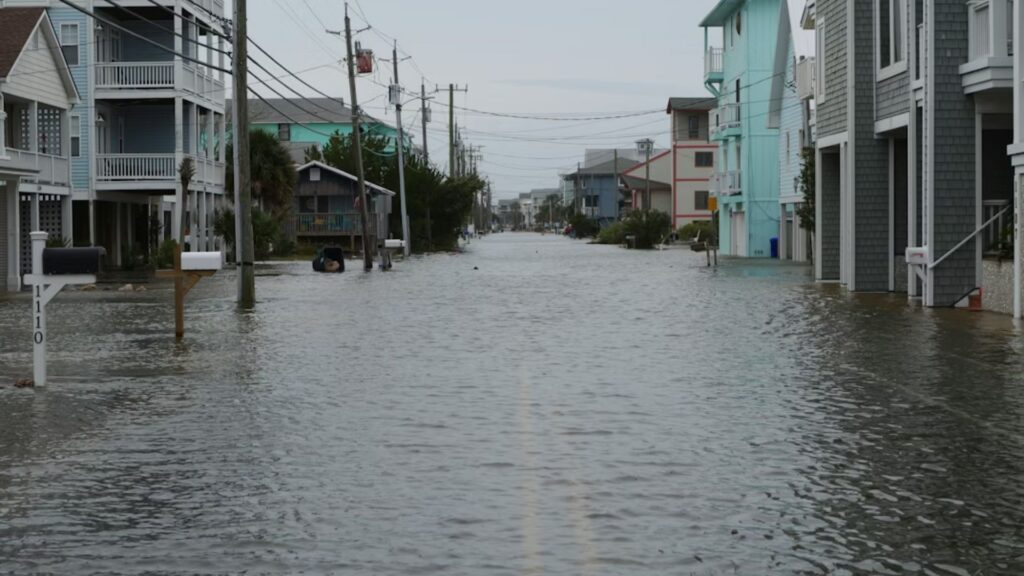
Under the highest emissions pathway, the Antarctic Peninsula’s contribution to global sea level rise could reach several inches by 2300, enough to accelerate flooding threats to low-lying coastal communities worldwide. Under a lower emissions path, the same contribution would be limited to a few millimeters, with most glaciers remaining recognizable.
The Southern Ocean Is Warming, and That Speeds Everything Up
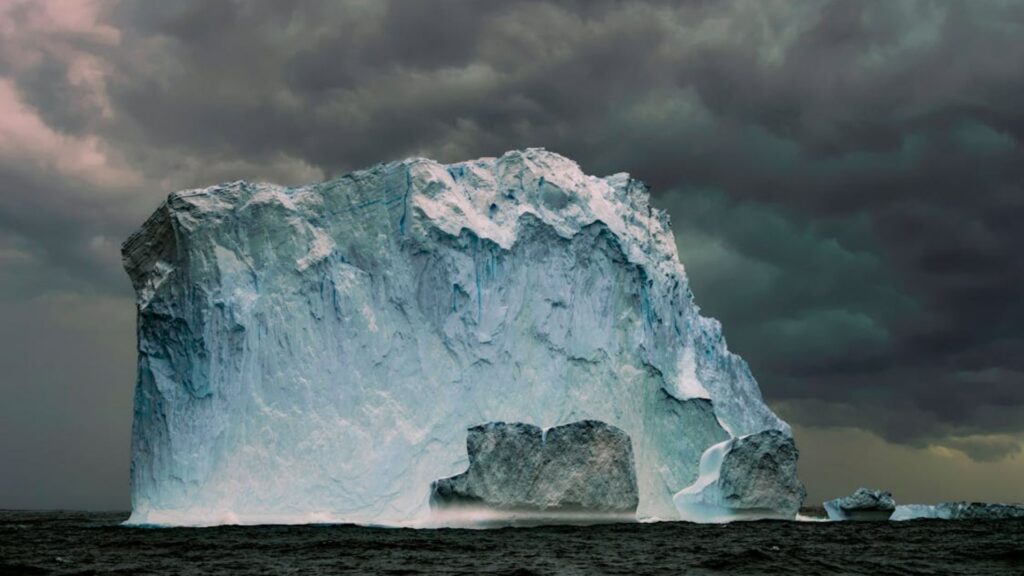
Warmer ocean temperatures don’t only melt ice from above. In the Southern Ocean, warming water accelerates erosion of glaciers from below, compounding melt rates and pushing the system toward critical thresholds more quickly. Under higher emissions, the study found, the Southern Ocean warms faster, creating a cycle that amplifies land ice loss, sea level rise, and stress on marine ecosystems.
Even Researchers Are Feeling the Pressure
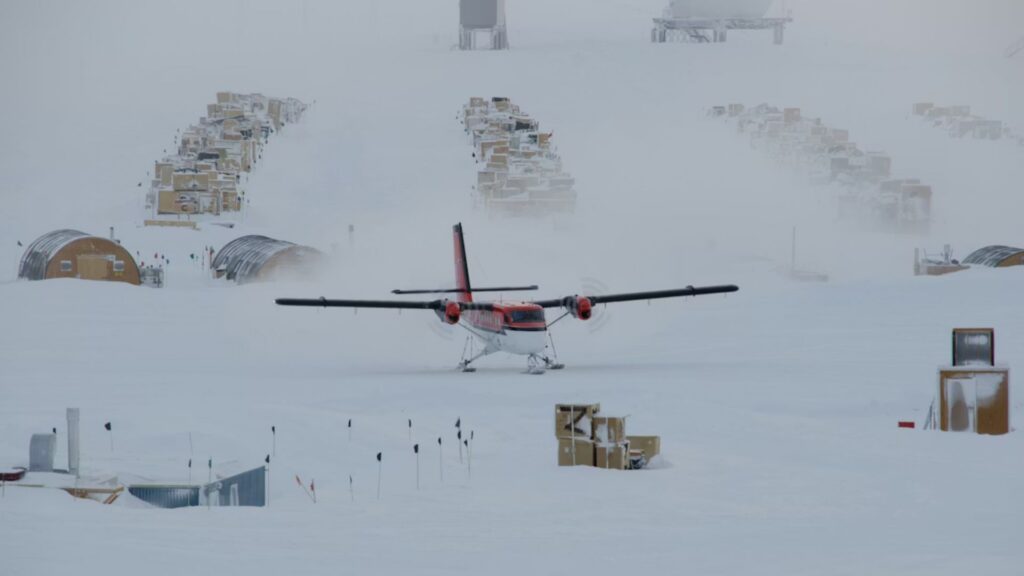
The study notes that infrastructure damage across Antarctica is making fieldwork more dangerous and data collection more difficult to maintain. When fewer reliable observations are available, the numerical models used to forecast future change become less accurate. Still, the scientists emphasize that the data gathered so far is sufficient to act on, and that avoiding the worst-case scenarios remains possible.
The Current Trajectory Is Medium to High Emissions
Professor Bethan Davies of Newcastle University, the study’s lead author, noted that the world is currently on track for a medium-to-medium-high emissions future. That path still carries significant consequences, though far less severe than the highest scenario, and the changes it brings would be extremely difficult to reverse. “If we don’t make changes now, our great-grandchildren will have to live with the consequences,” she said.
The Lower Emissions Path Is Still Within Reach
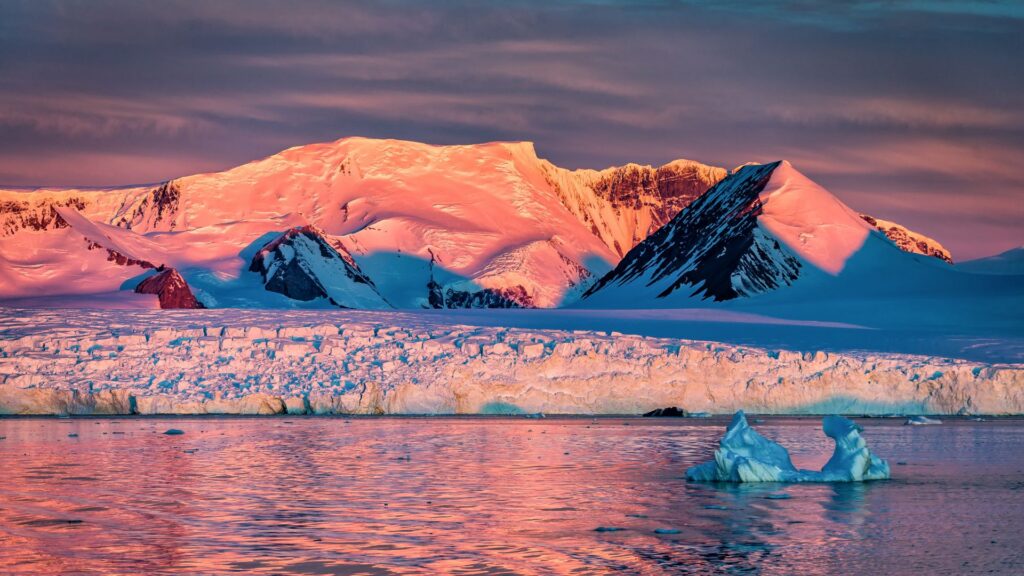
The study makes clear that a lower emissions future is still achievable, but it requires meaningful action in the years ahead. “Under a low emissions future, we can avoid the most important and detrimental impacts,” Professor Davies said. The next ten years, the researchers conclude, are when that outcome is decided.